Shri Ramchandra Kripalu Bhajman: The Definitive Guide to Lord Rama's Aarti
Shri Ramchandra Kripalu Bhajman (श्री रामचन्द्र कृपालु भजमन) is a powerful 16th-century stotram (hymn) praising Lord Rama's divine qualities. Composed by Goswami Tulsidas, it's so beloved that it's now universally sung as an aarti. Devotees recite it to connect with Rama's compassion, seek protection from worldly fears, and cultivate a mind rooted in dharma.
Quick Answer: Lord Rama's Powerful Hymn
- What: Shri Ramchandra Kripalu Bhajman, an Awadhi hymn often sung as an aarti to Lord Rama.
- Who: Composed by the great saint-poet Goswami Tulsidas in the 16th century.
- Why: To praise Lord Rama's divine beauty, compassion, and power to remove fear and suffering.
- Source: It's a key composition from Tulsidas's renowned work, the Vinaya Patrika (विनय पत्रिका).
Table of Contents
- From Stotram to Aarti: The Hymn's True Identity
- Complete Lyrics: Shri Ramchandra Kripalu Bhajman
- Verse-by-Verse Meaning: Unpacking the Hymn's Beauty
- Who Composed This Famous Hymn to Lord Rama?
- What Are the Spiritual Benefits of Reciting This Stotram?
- The Sacred Vidhi: How to Recite for Maximum Blessings
- When Is the Best Time to Chant Shri Ramchandra Kripalu?
- Sources and Scriptural References
From Stotram to Aarti: The Hymn's True Identity
Here's something most devotees don't realize. While we sing it as an aarti, this composition's original form, as intended by Goswami Tulsidas in his Vinaya Patrika (विनय पत्रिका), is actually a stotram—a hymn of praise. Its profound poetry and deep Bhakti essence resonated so powerfully with people that it was naturally adopted into the daily ritual of aarti.
Why does this matter? It tells you about its power. An aarti is a ritual of offering light (upachara), but a stotram is a direct, heartfelt conversation with the divine intended for contemplation (manan). This hymn isn't just a song; it's a form of meditation on Lord Rama's perfect qualities, designed to transform the devotee's consciousness. It's the real deal.
Complete Lyrics: Shri Ramchandra Kripalu Bhajman
Verse 1-2
Shri Ram Chandra Kripalu Bhajman, Haran Bhava Bhaya Darunam |
Navkanj Lochan, Kanj Mukh, Kar Kanj, Pad Kanjarunam ||
Kandarp Aganit Amit Chhavi, Nav Neel Nirad Sundaram |
Pat Peet Manahun Tadit Ruchi Shuchi, Nomi Janak Sutavaram ||
Verse 3-4
Bhaju Deenbandhu Dinesh Danav, Daitya Vansh Nikandanam |
Raghunand Anand Kand Kaushal, Chandra Dashrath Nandanam ||
Sir Mukut Kundal Tilak Charu, Udar Ang Vibhushanam |
Aajanubhuj Shar Chap Dhar, Sangram Jit Khar Dushanam ||
Verse 5-6
Iti Vadati Tulsidas Shankar, Shesh Muni Man Ranjanam |
Mam Hriday Kanj Nivas Kuru, Kamadi Khal Dal Ganjanam ||
Man Jahi Ranchayo Milihi So Var, Sahaj Sundar Sanvaro |
Karuna Nidhan Sujan Sheel, Sneh Janat Ravro ||
Verse 7-8
Ehi Bhati Gauri Asheesh Suni Siye, Sahit Hiye Harshi Ali |
Tulsi Bhavani Pooji Puni Puni, Mudit Man Mandir Chali ||
Jani Gauri Anukool, Siya Hiya Harshu Na Jaye Kaheni |
Manjul Mangal Mool, Vam Ang Pharkan Lage ||
Verse-by-Verse Meaning: Unpacking the Hymn's Beauty
The hymn's true power isn't just in the words, but in the divine vision they paint. According to Bhakti tradition, meditating on the Lord's form is a direct path to liberation. Let's break down what Tulsidas is showing us.
Verse 1: "O mind, revere the compassionate Shri Ramchandra, the one who removes the dreadful fear of worldly existence. His eyes, mouth, hands, and feet are like newly blossomed red lotuses."
This isn't just poetry; it's an instruction. Tulsidas tells your mind to focus on Rama as the ultimate antidote to fear and anxiety.
Verse 2: "His beauty surpasses countless Kamadevas (gods of love); he is as beautiful as a fresh, dark cloud. The yellow garment on his body shines like pure, captivating lightning. I bow to the beloved of Janaka's daughter, Sita."
The comparison to a dark rain cloud signifies life-giving nourishment and relief. He isn't a distant, abstract god; he is the source of all sustenance.
Verse 3: "Worship the friend of the downtrodden, the lord of the solar dynasty, the destroyer of the lineage of demons. He is the son of Dashrath, the source of all joy, and the moon of the Kaushal kingdom."
This verse establishes Rama's core purpose: to protect the righteous (deenbandhu) and destroy adharma (daitya-vansh nikandanam). It’s a reminder of his divine power and justice.
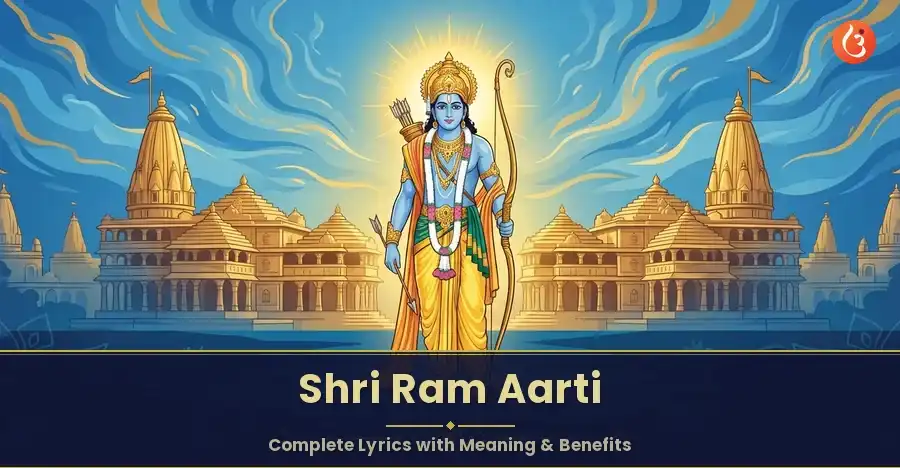
Verse 4: "With a crown on his head, earrings, a beautiful tilak on his forehead, and his glorious limbs adorned with ornaments. His arms stretch down to his knees, holding a bow and arrow, the vanquisher of the demons Khara and Dushana in battle."
This is the warrior form, the protector. It invokes his strength and assures the devotee that he is capable of conquering any obstacle, just as he defeated powerful demons.
Verse 5: "Thus says Tulsidas, the one who delights the minds of Lord Shiva, Sheshnag, and the sages. O Lord, please reside in the lotus of my heart and destroy the wicked forces of lust, anger, and other vices."
This is the prayer's core. After describing Rama's glory, Tulsidas makes a personal plea for inner purification. It's a powerful request you can make for yourself, too.
Verse 6-8: These concluding verses from the larger context of the Ramcharitmanas describe Sita's prayer to Gauri (Parvati) to win Rama as her husband. Gauri blesses her, and Sita's heart fills with joy as auspicious signs appear. It connects the hymn to the divine love story of Sita and Rama, framing it within the context of pure, devotional desire.
Who Composed This Famous Hymn to Lord Rama?
The author of this masterpiece is none other than Goswami Tulsidas, one of the most revered saints of the Bhakti movement. As detailed in historical and literary records, he lived in the 16th century and composed his works in the Awadhi language, making profound spiritual truths accessible to the common person.
This hymn is a selection from his deeply personal work, the Vinaya Patrika ("Petition of Humility"). Unlike the narrative of the Ramcharitmanas, the Vinaya Patrika is a collection of letters and pleas written directly to the divine court of Lord Rama. Tradition holds that Tulsidas composed many of its verses during a period of immense physical suffering in Varanasi, seeking direct relief from Lord Rama and Hanuman. It’s raw, emotional, and filled with the intense longing of a devotee. Singing this stotram connects you to that same powerful current of devotion that Tulsidas established centuries ago. You can explore similar themes in another timeless composition, the Shri Ramayanji Aarti.
What Are the Spiritual Benefits of Reciting This Stotram?
Reciting this hymn with devotion is more than just a ritual; it's a spiritual practice with tangible benefits. The Phala Shruti (the verse describing the fruits of recitation) is embedded in the hymn itself, promising that the devotee's mind will be purified.
- Dispels Fear and Anxiety: The very first line, "Haran Bhava Bhaya Darunam," promises to remove the deepest existential fears. Chanting it builds a shield of courage and faith.
- Cultivates Inner Peace: By focusing the mind on Rama's serene and beautiful form, the hymn calms mental chatter and reduces stress. It’s a powerful tool for mindfulness.
- Destroys Negative Vices: As Tulsidas prays, the hymn is a petition for the Lord to destroy "Kamadi Khal Dal Ganjanam" – the wicked forces of lust, anger, greed, and ego.
- Attracts Divine Grace: Regular recitation aligns your consciousness with Lord Rama's divine qualities, attracting his blessings and guidance into your life.
- Strengthens Devotion (Bhakti): It deepens your personal connection to the divine, transforming abstract faith into a living, breathing relationship with Lord Rama. This devotion is a cornerstone of Hindu practice, seen in great temples like the Ramanathaswamy Temple, where Lord Rama himself worshipped Lord Shiva.
- Fulfillment of Righteous Desires: The hymn incorporates the story of Sita's prayer to Gauri to attain Rama. This signifies that chanting it with pure intent can help fulfill noble aspirations, especially those related to finding a virtuous partner or achieving a dharmic goal.
The Sacred Vidhi: How to Recite for Maximum Blessings
To truly connect with the hymn's energy, you can follow a simple vidhi, as prescribed in traditional devotional practices. This isn't about rigid rules, but about creating a sacred atmosphere that helps your mind focus.
- Purify Yourself: Begin by taking a bath and wearing clean, fresh clothes. A clean body helps create a clear mind.
- Prepare the Space: Find a quiet, clean spot in your home. Light a ghee or oil lamp and an incense stick before an image or idol of Lord Rama. The light symbolizes the dispelling of ignorance.
- Offer a Prayer: Begin by chanting "Om" three times, followed by a short prayer to Lord Ganesha to remove obstacles.
- Recite with Feeling: Read or sing the hymn slowly, focusing on the meaning of the words. It's better to recite it once with full concentration than many times with a distracted mind.
- Conclude with Gratitude: After finishing, sit in silence for a few minutes, absorbing the peaceful vibrations. Conclude with a simple "Jai Shri Ram" and express your gratitude.
When Is the Best Time to Chant Shri Ramchandra Kripalu?
While you can chant this hymn any time your heart desires, certain times are considered especially auspicious in Vedic tradition, amplifying the spiritual benefits.
- Daily Practice: The best time for daily recitation is during Brahma Muhurta (approximately 90 minutes before sunrise). The world is quiet, and your mind is most receptive to divine energy. Evening puja time, after sunset, is also highly beneficial.
- Auspicious Day: Thursday is associated with Lord Vishnu, of whom Lord Rama is an avatar. Chanting on this day is particularly powerful.
- Special Occasions: The hymn's energy is magnified on festivals dedicated to Lord Rama. The most important of these is Ram Navami, which celebrates his birth. Reciting it on this day is considered immensely fruitful. Another powerful occasion is Diwali, especially during the Lakshmi Puja, to welcome Lord Rama back to his kingdom and into one's home. It is also traditionally recited during personal trials or before embarking on a new, important venture to seek divine blessings and clear the path of obstacles.
Sources and Scriptural References
Scriptural Authority:
- Vinaya Patrika (विनय पत्रिका): The primary source of this hymn, composed by Goswami Tulsidas (16th century).
- Ramcharitmanas: The epic poem by Tulsidas provides the broader context for Lord Rama's life and the foundation of Rama Bhakti.
Compositional Tradition:
- Awadhi Language & Bhakti Movement: The hymn is a product of the Bhakti movement, which emphasized devotional love as the path to God, using local languages instead of classical Sanskrit.
Recitation Vidhi:
- The methods described are based on common practices found in traditional Hindu households and are aligned with general puja guidelines.