Shiva's Daughters: Puranic Truth vs. Folk Legends Explained
By Pandit Ravi S., Expert in Puranic Traditions & Folk Mythology | Reviewed by Utsav editorial team
Lord Shiva's family is often thought of as his wife Parvati and sons Ganesha and Kartikeya. But what about his daughters? The answer isn't simple. According to the Padma Purana, Lord Shiva has one daughter named Ashokasundari. However, powerful and beloved folk traditions, especially in Bengal and Rajasthan, revere the serpent goddess Manasa Devi and five Naga Kanyas as his daughters. These different narratives don't contradict each other; instead, they enrich the vast spiritual landscape of Shaivism. It's a beautiful example of how Hindu traditions grow and embrace regional deities.
Quick Answer
- What: The story of Lord Shiva's daughters involves two separate traditions: Puranic scripture and regional folklore.
- Puranic Daughter: Ashokasundari is the only daughter mentioned in major Puranas like the Padma Purana. She was created by Goddess Parvati from the Kalpavriksha tree to cure her loneliness.
- Folk Daughters: Manasa Devi, the serpent goddess, and five Naga Kanyas (Jaya, Vishari, Shamilbari, Dev, Dotil) are revered as Shiva's daughters in folk Shaivism, particularly in Eastern India.
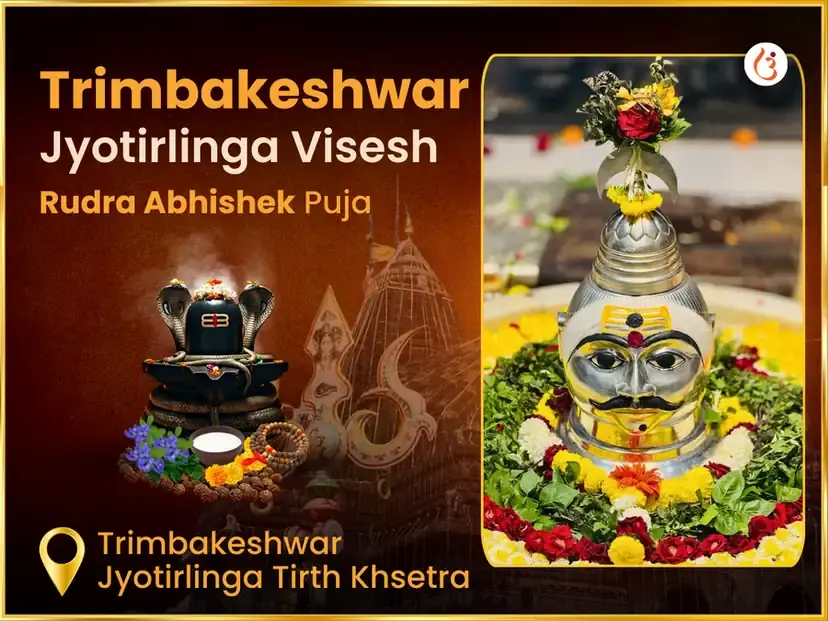
- How to Participate: You can honor Lord Shiva and his divine family by participating in authentic pujas at verified temples. Participate in Tri Jyotirlinga Maha Rudra Abhishek Puja.
Table of Contents
- Puranic vs. Folk: Understanding the Two Traditions
- Who is Ashokasundari? The Daughter from the Puranas
- Manasa Devi: The Powerful Serpent Goddess of Folk Legend
- The Five Naga Kanyas: Protectors from the Folk Tradition
- What Does Each Daughter Symbolize?
- Mantras to Honor the Divine Family
- Participate in Pujas for Lord Shiva on Utsav

Puranic vs. Folk: Understanding the Two Traditions
To truly understand the stories of Shiva's daughters, you have to look at two different sources. It's not a contradiction; it's a reflection of Hinduism's incredible diversity. The first source is the Puranas—the ancient Sanskrit texts that narrate the core stories of the deities. These are considered smriti (remembered texts) and create a shared narrative across the Indian subcontinent. The second is folk tradition, or Lok Parampara, which includes regional stories and deities passed down through generations, often through oral storytelling, songs, and local art.
The Puranas give us the story of Ashokasundari. Her tale is documented and consistent. But the stories of Manasa Devi and the Naga Kanyas come from a different, equally important place. They represent the integration of powerful local serpent-goddess cults into the broader umbrella of Shaivism. Folk traditions are the lifeblood of living Hinduism, reflecting the daily concerns, fears, and hopes of the people. They show how communities form a direct, personal relationship with the divine, adapting mythology to their own environment. So, when someone asks about Shiva's daughters, the answer depends entirely on which tradition you're talking about. Both are valid within their own context.
Who is Ashokasundari? The Daughter from the Puranas
Ashokasundari (अशोकसुन्दरी) is the daughter of Shiva and Parvati mentioned in the Padma Purana. Her story is deeply touching. Goddess Parvati, feeling lonely while Shiva meditated, wished for a daughter to ease her solitude. She made this wish to the divine, wish-fulfilling Kalpavriksha tree in Nandanvan, and a beautiful girl was born. Her name means "the beautiful girl who removed sorrow (shoka)."
She was destined for greatness. Parvati prophesied that Ashokasundari would marry Nahusha, a king of the lunar dynasty who would one day equal Indra in stature. The story takes a dramatic turn when the asura Hunda, captivated by her beauty, attempts to abduct her. Ashokasundari escaped to her parents' abode on Mount Kailash and cursed Hunda, prophesying that he would be killed by her destined husband, Nahusha. To fulfill this destiny, she performed intense tapasya (austerities). This part of the story highlights her own divine strength and determination, not just her role as a daughter. The story shows a tender, familial side of the divine couple, focusing on themes of desire, destiny, and the power of a mother's wish. It's a classic Puranic tale.
Manasa Devi: The Powerful Serpent Goddess of Folk Legend
In the folk traditions of Bengal, Bihar, and Jharkhand, the most prominent daughter of Shiva is Manasa Devi (मनसा देवी), the goddess of snakes. Her story is complex and often fierce. According to these legends, she was born when Shiva's seed touched a lotus leaf and then the statue of a serpent goddess carved by the mother of serpents, Kadru. Her iconography reflects her power; she is often depicted seated on a lotus, adorned with snakes, and sheltered by a seven-headed cobra canopy.
Because she was not born from Parvati's womb, Manasa had to fight for her divine status. Her myths are filled with tales of her proving her power, often by challenging those who refuse to worship her. The most famous of these is the story of the merchant Chand Sadagar, a staunch devotee of Shiva who refused to acknowledge Manasa. She, in turn, destroyed his seven ships and took the lives of his seven sons. Only after his daughter-in-law Behula's incredible devotion did Chand Sadagar relent and offer worship to Manasa, finally establishing her cult. She is a protector against snakebites but also a goddess of fertility and prosperity. Her worship highlights how Hinduism incorporates powerful, independent regional deities into its vast pantheon. Manasa's story isn't just a myth; it's a testament to the power of folk devotion.
The Five Naga Kanyas: Protectors from the Folk Tradition
Connected to the legend of Manasa Devi is the story of the five Naga Kanyas, or serpent-daughters: Jaya, Vishari, Shamilbari, Dev, and Dotil. This is another powerful folk legend with deep roots. The story goes that these five sisters were also born as snakes from Shiva's divine essence and were deeply loved by him. In some regional variations, they are not his direct daughters but the daughters of the serpent king Vasuki, whom Shiva considers his own. In other tellings, they are close companions or even aspects of Manasa Devi herself.
This tradition is especially significant during the monsoon season, when snakes are most active. Devotees worship the five sisters, particularly on Nag Panchami, to seek protection from snakebites for their families and livestock. The worship is often simple and direct, involving offerings of milk, turmeric, and flowers left near snake burrows or in family shrines. Each sister is often associated with a major goddess, symbolizing the integration of different divine energies. This isn't a story you'll find in the major Puranas, but for millions of devotees, it's a living tradition that provides real comfort and protection against the dangers of the natural world.
What Does Each Daughter Symbolize?
The different daughters of Shiva represent different aspects of divine feminine energy. You can see how they each bring a unique lesson to devotees.
- Ashokasundari: She symbolizes fulfillment, destiny, and patience. Born from a wish to cure loneliness, she represents the calming, domestic, and gentle side of the divine family. Her story assures devotees that righteous desires, when aligned with dharma and pursued with faith, will be fulfilled at the divinely appointed time.
- Manasa Devi: She stands for raw power, resilience, and assertion. Manasa had to earn her place among the gods, which symbolizes the struggle to overcome adversity and demand recognition. She teaches that you must demand respect and prove your worth. She is the untamed, fierce aspect of nature that must be honored, not just controlled.
- The Naga Kanyas: They represent protection, folk faith, and ecological harmony. Their worship is practical and deeply connected to the cycles of nature and the immediate dangers of rural life. They show that faith can be a powerful shield against worldly fears and serve as a reminder to respect all living creatures, especially those who hold the power of life and death.
Mantras to Honor the Divine Family
While there aren't specific mainstream mantras for the folk daughters, honoring Lord Shiva is the most direct way to connect with his entire divine family. The Panchakshara Mantra is the most sacred and powerful chant for this purpose. Chanting it aligns your energy with Shiva's cosmic presence.
Shiva Panchakshara Mantra (शिव पञ्चाक्षर मन्त्र):
ॐ नमः शिवाय
Om Namah Shivaya
Meaning: "I bow to Lord Shiva." This simple but profound mantra is the essence of all Shaivite teachings. It's chanted to dissolve the ego, purify the soul, and seek the blessings of the Supreme. It's best recited 108 times, especially on Mondays.
For protection and liberation from fear, which is a key aspect of Manasa and the Naga Kanyas' domain, devotees also chant the Mahamrityunjaya Mantra.
Mahamrityunjaya Mantra (महामृत्युंजय मंत्र):
ॐ त्र्यम्बकं यजामहे सुगन्धिं पुष्टिवर्धनम् |
उर्वारुकमिव बन्धनान् मृत्योर्मुक्षीय मामृतात् ||
Om Tryambakam Yajamahe Sugandhim Pushtivardhanam |
Urvarukamiva Bandhanan Mrityor Mukshiya Ma'mritat ||
Meaning: "We worship the three-eyed one (Lord Shiva) who is fragrant and who nourishes all beings. May he liberate us from death for the sake of immortality, even as the cucumber is severed from its bondage to the creeper." This mantra is a powerful prayer for healing, rejuvenation, and freedom from all worldly troubles.
Participate in Pujas for Lord Shiva on Utsav
Connecting with Lord Shiva's energy is a powerful way to bring peace, protection, and clarity into your life. Through Utsav, you can participate in authentic rituals performed by verified pandits at some of India's most sacred temples, including the powerful Jyotirlingas of Lord Shiva. These sacred sites are immense reservoirs of divine energy, and participating in pujas there can help resolve karmic blockages and foster family well-being.
Recommended Pujas:
- Bhadra Shivratri Special Tri Jyotirlinga Maha Rudra Abhishek Puja: A powerful ritual conducted across three sacred Jyotirlingas. Dakshina from ₹851.
- Dwadash Jyotirlinga Stotram Path at Bhimashankar Jyotirlinga: Connect with the energy of all twelve Jyotirlingas through this sacred chant. Dakshina from ₹501.
When you participate, pandits chant your name and gotra during the Sankalp. You receive a video of the puja and authentic temple prasad delivered to your home. It's a beautiful way for devotees to connect with divine grace from anywhere in the world.
Sources & References
- Scriptural Authority: Padma Purana - Narrates the story of Ashokasundari, the Puranic daughter of Shiva and Parvati.
- Folk Tradition: Bengali and Rajasthani folklore - Primary sources for the legends of Manasa Devi and the five Naga Kanyas (Jaya, Vishari, etc.). These stories are often documented in regional texts like the Manasamangal Kavya.
- Temple Verification: Manasa Devi temples in West Bengal and snake temples (Nag Mandirs) across Northern India are physical sites where these folk traditions are actively practiced.
- Related Pujas on Utsav: Tri Jyotirlinga Maha Rudra Abhishek Puja and other Shiva-centric rituals.