Pashupatinath Aparadha Kshamapana Stotra: Lyrics, Meaning & Benefits
By Pandit Shiva Sharma, Vedic Scripture Scholar | Reviewed by Utsav editorial team
The Shiva Aparadha Kshamapana Stotra (शिवापराधक्षमापणस्तोत्रम्) is the ultimate prayer for seeking heartfelt forgiveness from Lord Shiva. Composed by the great Jagadguru Adi Shankaracharya, this powerful hymn is a profound admission of the countless mistakes, or aparadhas, we commit in our lives. It’s a direct appeal to Shiva's infinite compassion, acknowledging him as Karunabdhe—an ocean of mercy. While famously associated with the Pashupatinath Temple, it's a universal chant for every devotee who wishes to unburden their soul and find peace at the lotus feet of Mahadeva.
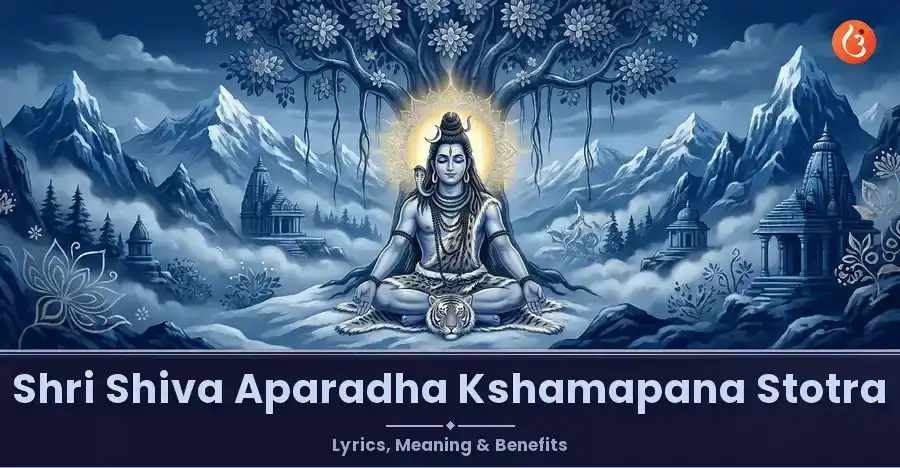
Table of Contents
- Pashupatinath Aparadha Kshamapana Stotra — Complete Lyrics in English
- Pashupatinath Aparadha Kshamapana Stotra — Meaning in English
- Benefits of Reciting Shiva Aparadha Kshamapana Stotra
- How to Recite: Complete Vidhi
- Best Days to Chant in 2026
- About Lord Shiva: The Compassionate Ascetic
- Participate in Shiva Pujas on Utsav
- Sources & References
Pashupatinath Aparadha Kshamapana Stotra — Complete Lyrics in English
Invocation & Verses 1-4
Aadau Karma Prasangaath Kalayati Kalusham Maatru Kukshau Sthitham Maam,
Vin Moothraamedhya Madhye Kwayati Nitharaam JaaTharo Jaathavedaa,
Yadyadwai Thathra Dukham Vyathayati Nitharaam Shakyathe Kena Vakthum,
Kshanthavyo Me Aparaadha Shiva Shiva Shiva Bho Shri Maha Deva Shambho.Baalye Dukhaathireko Mala Lulitha Vapu Sthanya Paane Pipasaa,
No Shakthaschen Driyaabhyaam Bhava Guna Janithaa Janthavo Maam Thudanthi,
Naanaa Rogaadhi Dukhaa Drudhana Paravasa Shankaram Na Smaraami,
Kshanthavyo Me Aparaadha Shiva Shiva Shiva Bho Shri Maha Deva Shambho.Proudhoham Yauvanastho Vishaya Visha Dharai Pancha Bhir Marmma Sandhau,
Dashto Nashto Viveka Sutha Dhana Yuvathi Swaada Saukhye Nishanna,
Shaivee Chinthavihina Mamahrudaya Maho Maanagarvaadhi Rooda,
Kshanthavyo Me Aparaadha Shiva Shiva Shiva Bho Shri Maha Deva Shambho.Vaardhakye Chendriyaanaam Vigatha Gathi Mathi Schaa Dhi Daivaadhi Thaapai,
Paapai Rogair Viyogai Sthvanava Sithavapu Proudhi Heenam Cha Dheenam,
Mithyaa Mohaabhilaashair Bhramathi Mama Mano Dhoorjadher Dhyana Shoonyam,
Kshanthavyo Me Aparaadha Shiva Shiva Shiva Bho Shri Maha Deva Shambho.Verses 5-8
No Shakyam Smaartha Karma Prathipadagahana Prathyavaayaa Kulakhyam,
Srauthe Vaarthaa Kadham Me Dwija Kula Vihithe Brahma Maarge Asusaare,
Naasthaa Dharme Vichaara Sravana Mananayo Kim Nidhध्याsithavyam,
Kshanthavyo Me Aparaadha Shiva Shiva Shiva Bho Shri Maha Deva Shambho.Snaathwaa Prathyusha Kaale Snana Vidhi Vidhayo Naahrutham Gaanga Thoyam,
Poojartham Vaa Kadhaachid Bahula Gahanatho Khanda Bilwee Dalaani,
Naaneethaa Padma Maalaa Sarasi Vikikasitha Gandha Dhoopai Thwadartham,
Kshanthavyo Me Aparaadha Shiva Shiva Shiva Bho Shri Maha Deva Shambho.Dugdhair Madhwaajya Yukthair Dadhi Gudha Sahithai Snaapitham Naiva Lingam,
No Liptham Chandanaadyai Kanaka Virachithai Poojitham Na Prasoonai,
Dhoopai Karpoora Deepair Vividha Rasa Yuthair Naiva Bhakshyopa Haarai,
Kshanthavyo Me Aparaadha Shiva Shiva Shiva Bho Shri Maha Deva Shambho.Dhyaathwaa Chithe Shivarupyam Prachurathara Dhanam Naiva Daththam Dwijaebhya,
Havyam The Lakshasankhyair Huthavaha Vadane Naarpitham Bheeja Manthrai,
No Thaptham Gaanga Theere Vratha Jana Niyamai Rudra Jaapyam Na Japytham,
Kshanthavyo Me Aparaadha Shiva Shiva Shiva Bho Shri Maha Deva Shambho.Verses 9-12
Sthithwaa Sthaane Sareje Nirupama Sachide Chith Svaroope Viraage,
Thishtantham Naiva Drushtam Kimihamidamithi Vygnathaa Naiva Drushtaa,
Na Thwad Dhyanam Cha Nithyam Kshana Mapi Bhavatha Sakshathkaaraapannamastham,
Kshanthavyo Me Aparaadha Shiva Shiva Shiva Bho Shri Maha Deva Shambho.Vagnaathaam Naiva Jaanaa Myahamithi Paramam Sachidhaananda Roopam,
Na Jnaatham Thathwa Meva Kshanamapi Bhavatha Sakshath Kaara Maapannam,
Braahmaadau Klesha Yukthe Charathi Mama Mano Vyanjathe Sannivrutham,
Kshanthavyo Me Aparaadha Shiva Shiva Shiva Bho Shri Maha Deva Shambho.Chandrod Bhaasitha Shekhare Smithamukhe Mandasmitha Sree Yukthe,
Saandram Prema Rasam Kadee Kshithi Thale Sthithwaa Na Drushtam Puraa,
No Dhrushtim Kshepayaami Sapadhi Khalu Thava Sweekruthim Karthu Meva,
Kshanthavyo Me Aparaadha Shiva Shiva Shiva Bho Shri Maha Deva Shambho.Hrudhaye Vaang Maathre Vaa Karanamapi Vapurnirmalam Nasthi Me Vaa,
Yaachithwaa Dhanam Dhanam Mithra Madhunaiva Dhanam Na Datham,
Poojartham The Kadhaachith Sumanasamapi Vaa Gandha Dhoopam Thadhaa Kim,
Kshanthavyo Me Aparaadha Shiva Shiva Shiva Bho Shri Maha Deva Shambho.Verses 13-16 & Phala Shruti
Karacharana Krutham Vaak Kaaya Jam Karmajam Vaa,
Sravana Nayanajam Vaa Maanasam Vaa Aparaadham,
Vihithamavihitham Vaa Sarvametha Kshamasva,
Jaya Jaya Karunaabdhe Shri Maha Deva Shambho.Gathirasmi Thava Paada Pankajam, Gathirasmi Thava Paada Sevane,
Gathirasmi Thava Paada Poojane, Gathirasmi Thava Paada Chinthane.Aparadham Sahesraani Kriyanthe Aharnisham Mayaa,
Daasohamithi Maam Mathwaa Kshamasva Parameshwara.Thava Daaso, Janama Janmaanthare Bhavaan,
Ithi Mathwaa Maheshaana Paahi Maam Karunaanidhe.
Pashupatinath Aparadha Kshamapana Stotra — Meaning in English
Verse 1-2: Forgiveness for Sins from Birth and Childhood
Verse 1: Oh Lord, forgive the sins committed even while I was in my mother's womb—a place of filth and fire where I suffered immense pain. Forgive my transgressions, Oh Shiva, Oh Mahadeva, Oh Shambho!
Verse 2: Forgive the sins of my childhood. I was helpless, covered in dirt, driven by thirst and hunger. I couldn't control my senses and was troubled by all sorts of pains and illnesses, and in that state, I failed to remember you.
Verse 3-4: Forgiveness for Sins of Youth and Old Age
Verse 3: In my youth, I was bitten by the five serpents of sensual desires. My wisdom was lost, and I was engrossed in the pleasures of family, wealth, and worldly attachments. My heart was filled with pride and arrogance, and I had no thought of you. Forgive this, my Lord.
Verse 4: Now in old age, my senses have weakened, my body is frail with disease and sorrow. Still, my mind wanders, filled with useless desires and delusions, and never meditates on you. Forgive my offenses, Oh Shiva!
Verse 5-6: Forgiveness for Neglecting Ritual Duties
Verse 5: I couldn't perform the complex rituals prescribed in the Smritis and Shrutis. I never truly inquired into Dharma or contemplated the highest truths. What's the point of it all? Forgive me for not following the path.
Verse 6: I never bathed at dawn or brought sacred Ganga water for you. I didn't gather fresh Bilva leaves or lotus garlands from the forest for your worship. I didn't prepare incense or fragrances for you. Forgive my neglect, Oh Mahadeva.
Verse 7-8: Forgiveness for Improper Worship
Verse 7: I have never bathed your Lingam with milk, honey, ghee, and curd. I haven't anointed it with sandalwood paste or worshipped it with golden flowers. I failed to offer you incense, camphor flames, or delicious food offerings. Forgive my shortcomings.
Verse 8: I never gave enough wealth to the wise after meditating on your form. I didn't perform the prescribed fire sacrifices with sacred mantras, nor did I practice austerities or chant your names on the banks of the Ganga. Forgive these failures.
Verse 9-12: Forgiveness for Lack of Realization
Verse 9-12: These verses are a deep admission of spiritual ignorance. The devotee confesses to not realizing Shiva's true form as pure consciousness, not understanding the ultimate truth, and allowing the mind to be distracted by worldly things instead of seeking His divine vision. It's a plea for forgiveness for the gravest sin—not truly seeking the divine within.
Verse 13-16: The Ultimate Surrender
Verse 13: This is the most famous verse. Oh Lord, forgive all my sins—those done by my hands and feet, my body and actions, my ears and eyes, or my mind. Forgive those actions I was supposed to do and those I was forbidden from doing. Victory to you, Ocean of Compassion, Shri Mahadeva Shambho!
Verse 14-16: The final verses are a complete and total surrender. The devotee declares that Shiva is the only refuge—in His feet, His service, His worship, and His thought. "Thousands of sins are committed by me day and night. Thinking of me as your servant, please forgive me, Oh Parameshwara. I am your servant through lifetimes, so please protect me, Oh storehouse of mercy."
Benefits of Reciting Shiva Aparadha Kshamapana Stotra
Spiritual Cleansing and Karmic Relief
This stotra isn't just a plea; it's a powerful tool for spiritual purification. Chanting it with a sincere heart helps dissolve the accumulated karmic baggage from past actions. It’s like a spiritual bath that cleanses the soul. This effect is magnified when you combine chanting with powerful rituals. You can learn more about the most potent Shiva rituals in our guide to the Dwadash Jyotirlinga Stotram And Its Benefits.
Mental Peace and Relief from Guilt
The weight of past mistakes can cause immense anxiety and regret. This stotra provides a direct path to unburdening your mind. By admitting your faults to the supreme consciousness, you release the psychological grip of guilt, leading to profound mental peace and emotional lightness. It's a catharsis for the soul.
Cultivating Humility and Devotion
You can't ask for forgiveness without being humble. The act of chanting this stotra systematically dissolves the ego. It reminds you of your fallibility and the infinite, unconditional compassion of the divine. This surrender deepens your Bhakti (devotion) and strengthens your personal connection with Lord Shiva.
Receiving Divine Grace and Protection
The Phala Shruti (the fruit of recitation) promises that Lord Shiva, who is Ashutosh (easily pleased), will bestow his grace and protection upon any devotee who recites this stotra with sincerity. It’s an assurance that no matter the mistake, the door to divine mercy is always open.
How to Recite: Complete Vidhi
1. Preparation (Sankalp)
Before you begin, take a bath and wear clean, fresh clothes. Sit in a quiet, clean space. The most important step? Create a pure intention (Sankalp) in your heart to sincerely ask for forgiveness for all your known and unknown transgressions.
2. Ideal Setup
It's best to face East or North. If you can, place an image, idol, or Lingam of Lord Shiva before you. Light a simple ghee or sesame oil lamp and some incense. A small offering of water and a flower is more than enough.
3. The Recitation
Chant the stotra clearly, focusing on the meaning of the words. Don't rush. The emotion of surrender is more important than the speed of recitation. For best results, it's recommended to recite the stotra 1, 3, or 11 times.
4. Concluding the Prayer
After the final verse, sit in silence for a few minutes and meditate on Lord Shiva’s compassionate form. Offer the flowers at his feet and conclude by chanting "Om Namah Shivaya" a few times.
Best Days to Chant in 2026
Lord Shiva's grace is ever-present, but chanting on these specific days can amplify the spiritual benefits of your prayer.
| Day / Tithi | Date Range (2026) | Significance for Seeking Forgiveness |
|---|---|---|
| Every Monday (Somvar) | Weekly | Monday is Mahadeva's dedicated day. It's the perfect time for regular practice to keep your soul clean. |
| Pradosh Vrat | Twice a month | This is the sacred 3-hour window around sunset, a highly potent time for Shiva worship. Check the Utsav Panchang for exact dates each month. |
| Masik Shivratri | Monthly | The "Monthly Night of Shiva" is a powerful time for sadhana. Chanting this stotra at night on this day is especially effective. |
| Maha Shivratri | February 25, 2026 | The Great Night of Shiva. This is the single most powerful day of the year to have your sins and negative karmas absolved by Lord Shiva. |
About Lord Shiva: The Compassionate Ascetic
Lord Shiva is one of the principal deities of the Hindu Trimurti, serving as the Destroyer and Transformer. But he isn't a destroyer of worlds; he's the destroyer of ego, illusion, and ignorance. He is the Supreme Ascetic, residing on Mount Kailash in deep meditation, yet he is also the most compassionate of gods.
He is known as 'Bholenath' (the innocent lord) and 'Ashutosh' (one who is easily pleased) because his mercy is boundless. This is why devotees turn to him for forgiveness. His attributes—the third eye of wisdom, the Trishula that destroys evil, and the Damru that creates cosmic rhythm—all point to his supreme power, yet his heart is full of grace for those who surrender to him. You can explore his divine abodes by reading about the Omkareshwar Temple Famous Jyotirlinga Of Lord Shiva.
Participate in Shiva Pujas on Utsav
Combining your personal chanting of the stotra with participation in a formal Vedic ritual is the most complete way to seek forgiveness and receive divine blessings. Utsav connects you with verified pandits at sacred temples to perform these pujas on your behalf.
Recommended Pujas for Forgiveness & Blessings:
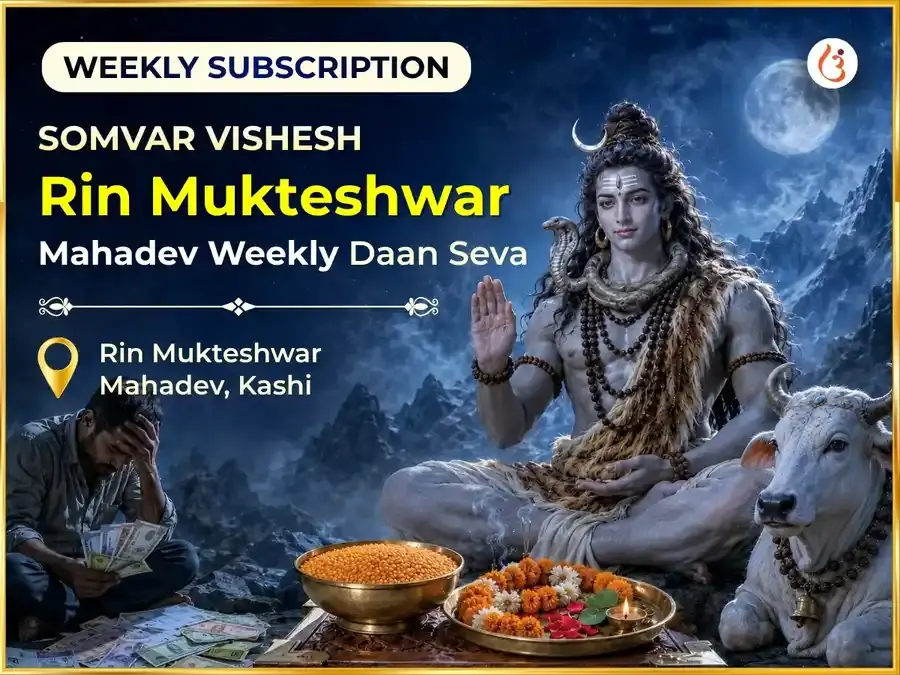
- Somvar Vishesh Rin Mukteshwar Mahadev Weekly Daan Seva: This specialized puja is performed to seek relief from all debts, including deep-seated karmic debts from past transgressions.
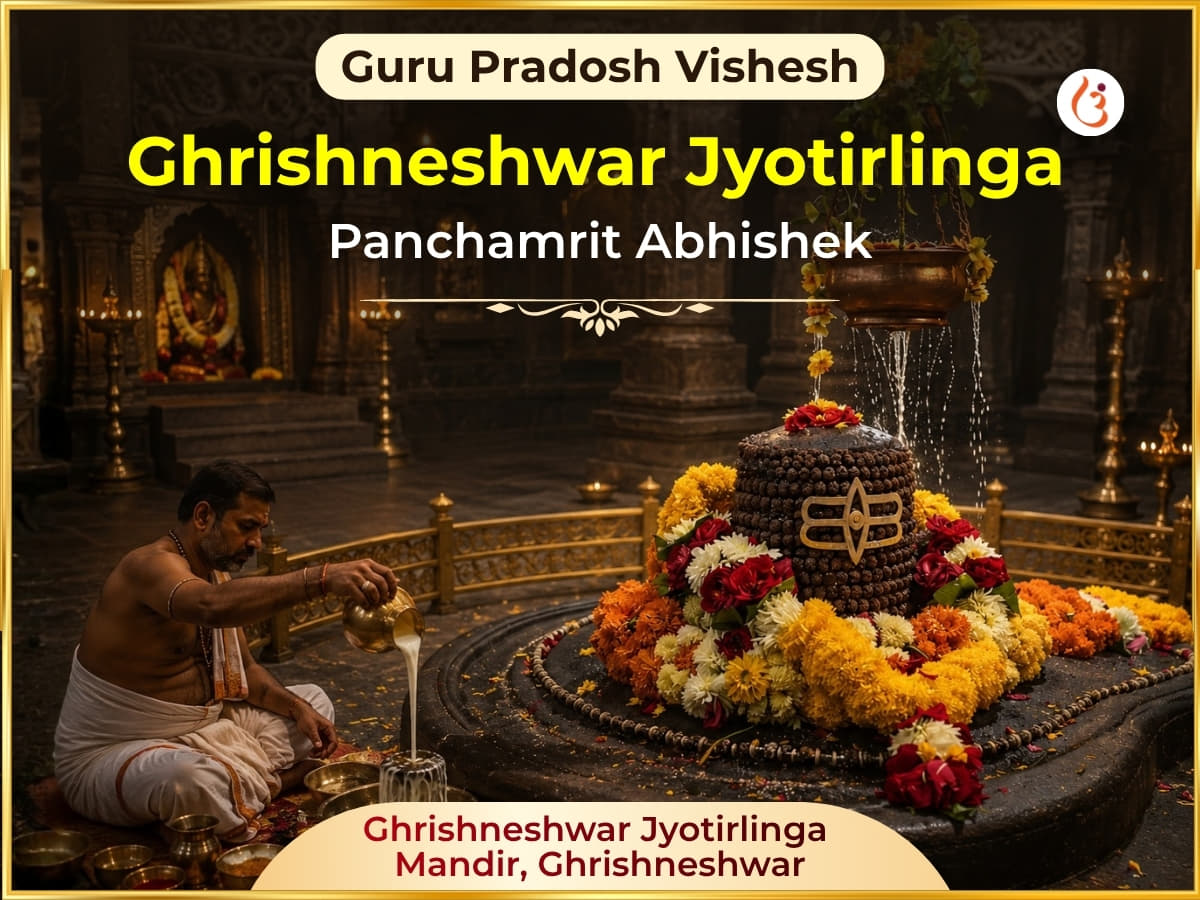
- Ravi Pradosh Vishesh Grishneshwar Jyotrling Panchamrit Abhishek: Participate in a sacred Panchamrit Abhishek at a revered Jyotirlinga, one of the most powerful ways to please Lord Shiva and wash away sins.
How to Participate:
- Select your desired puja and Dakshina.
- Fill the Sankalp Form with your Name, Gotra, and your heartfelt prayer for forgiveness.
- Receive a video of the puja performed by the pandit, chanting your details.
- Authentic temple Prasad is then sent directly to your home.
Scripture Composer/History
The Shiva Aparadha Kshamapana Stotra is a profound devotional hymn attributed to the great 8th-century philosopher-saint, Jagadguru Adi Shankaracharya. Composed in classical Sanskrit, it exemplifies the bhakti (devotional) aspect of his teachings, which beautifully complements his Advaita Vedanta philosophy. Unlike hymns derived from Puranas, this stotra is a standalone composition, revered within the Smarta and Shaivite traditions. For over a millennium, it has been transmitted through oral tradition from guru to disciple and preserved in manuscripts. Its poignant verses, which ask for forgiveness for all transgressions, capture the essence of surrender. The final verse encapsulates its spirit:
करचरणकृतं वाक्कायजं कर्मजं वा श्रवणनयनजं वा मानसं वापराधम् ।
विहितमविहितं वा सर्वमेतत्क्षमस्व जय जय करुणाब्धे श्रीमहादेव शम्भो ॥Karacharana Krtam Vaak Kaaya Jam Karmajam Vaa, Shravana Nayanajam Vaa Maanasam Vaa Aparaadham, Vihitamavihitam Vaa Sarvametat Kshamasva, Jaya Jaya Karunaabdhe Shri Maha Deva Shambho.
Sources & References
Scriptural Authority:
- Shiva Aparadha Kshamapana Stotra, traditionally attributed to Jagadguru Adi Shankaracharya (8th Century CE).
Temple & Recitation Tradition:
- Devotional practices as observed in major Shaivite traditions and temples like Kashi Vishwanath and Pashupatinath.
Panchang & Dates:
- Verification for Pradosh and Shivratri tithis based on Drikpanchang data for 2026.