En
En
The Ganga Stotram (श्री गंगा स्तोत्रम्) is a powerful 14-verse hymn composed by the great sage Adi Shankaracharya in the 8th century. It praises Goddess Ganga, the sacred river who descended from the heavens, as the ultimate purifier of sins and bestower of salvation (moksha). According to the Skanda Purana, her waters, born from the feet of Vishnu and held in Shiva's hair, have the power to liberate souls. This stotram isn't just a poem; it's a direct channel to her divine grace.
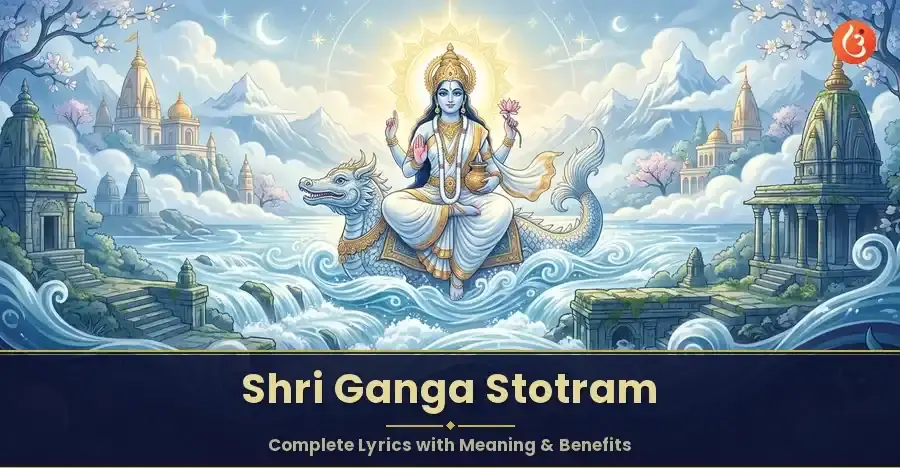
Here is the full, uninterrupted text of the Ganga Stotram for recitation, as documented in the Shankaracharya tradition.
देवी सुरेश्वरि भगवति गङ्गे त्रिभुवनतारिणि तरलतरङ्गे ।
शङ्करमौलिविहारिणि विमले मम मतिरास्तां तव पदकमले ॥१॥
Devi Sureshvari Bhagavati Gange, Tribhuvanatarini Taralataran'ge |
Shan'karamauliviharini Vimale, Mama Matirastam Tava Padakamale ||1||Bhagirathi Sukhadayini Matastava, Jalamahima Nigame Khyatah |
Naham Jane Tava Mahimanam, Pahi Kripamayi Mamajnanam ||2||Haripadapadhyataran'gini Gange, Himavidhumuktadhavalataran'ge |
Durikuru Mama Dushkritibharam, Kuru Kripaya Bhavasagaraparam ||3||Tava Jalamamalam Yena Nipitam, Paramapadam Khalu Tena Grihitam |
Matargange Tvayi Yo Bhaktah, Kila Tam Drashtum Na Yamah Shaktah ||4||
Patitoddharini Jahnavi Gange, Khan'ditagirivaramand'itabhange |
Bhishmamajanani Hemaunimunivar, Kanyepatatpapanivarini ||5||Kalpalatamiva Phaladam Loke, Pranamati Yastam Na Patati Shoke |
Paravaraviharini Gange, Vimukhavanitakritataralapange ||6||Tava Chenmatah Srotahsnatah, Punarapi Jat'hare Sopi Na Jatah |
Narakanivarini Jahnavi Gange, Kalushavinashini Mahimottun'ge ||7||Punarasadan'ge Punyataran'ge, Jaya Jaya Jahnavi Karunapan'ge |
Indramukut'amanirajitacharane, Sukhade Shubhade Bhrityasharanye ||8||
Rogam Shokam Tapam Papam, Hara Me Bhagavati Kumatikalapam |
Tribhuvanasare Vasudhahare, Tvamasi Gatih Mama Khalu Samsare ||9||Alakanande Paramanande, Kuru Karunamayi Kataranandye |
Tava Tat'anikat'e Yasya Nivasah, Khalu Vaikunt'he Tasya Nivasah ||10||Varamiha Nire Kamat'ho Minah, Kim Va Tire Sharatah Kshinah |
Athava Shvapacho Malino Dinah, Tava Na Hi Dure Nripakulakulinah ||11||Bho Bhuvaneshvari Punye Dhanye, Devi Dravamayi Munivarakanye |
Gangastavamimamamalambhogyam, Pathati Yo Niyatam Sa Sukhabhagyah ||12||Yesham Hridaye Ganga Bhaktih, Tesham Bhavati Sada Sukhamuktih |
Madhurakan'tapajjhat'ikabhih, Paramanandakalitalalitabhih ||13||Gangastotramidam Bhavasaram, Van'chhitaphaladam Vimalam Saram |
Shan'karasevakasya Shishoh, Stotram Rachetam Pathaniyam ||14||
Understanding the meaning transforms recitation into deep devotion. Adi Shankaracharya's words carry immense spiritual weight.
Verse 1: O Goddess Ganga! You are the divine river of the gods, the savior of all three worlds with your flowing waves. You reside gracefully on the head of Lord Shiva. O pure one, may my mind always remain devoted to your lotus feet.
Verse 2: O Mother Bhagirathi, you are the giver of happiness! The glory of your water is sung in the Vedas. I don't fully know your greatness, but please, O merciful one, protect this ignorant devotee.
Verse 3: O Ganga, you originate from the lotus feet of Lord Hari. Your waves are as white as snow, the moon, and pearls. Please remove the burden of my misdeeds and, with your compassion, help me cross this ocean of worldly existence.
Verse 4: Whoever drinks your pure water surely attains the highest state. O Mother Ganga, Yama (the god of death) has no power to even look at your devotees. It's a powerful statement of her protective grace.
Verse 5: O Jahnavi, uplifter of the fallen! You break through the mighty Himalayas with your decorated waves. You are the mother of Bhishma and the daughter of sage Jahnu. You wash away all sins.
Verse 6: You are like the wish-fulfilling vine (Kalpalata) in this world. Whoever bows to you never falls into sorrow. Your playful waves are like the sidelong glances of youthful women.
Verse 7: O Mother, whoever bathes in your stream is never born again from a mother's womb. O Jahnavi Ganga, you save us from hell and destroy all impurities with your supreme glory.
Verse 8: O pure one with holy waves, victory to you, Jahnavi, with your compassionate glance! Your feet are adorned with the gems from the crowns of Indra and other gods. You are the giver of happiness, auspiciousness, and refuge to your servants.
Verse 9: O Goddess, please destroy my diseases, sorrows, afflictions, sins, and wrong intentions. You are the essence of the three worlds and the necklace of the earth. In this world, you are my only refuge.
Verse 10: O Alakananda, giver of supreme joy! Please be compassionate to this devotee who seeks your shelter. Whoever lives near your banks truly lives in Vaikuntha (the abode of Vishnu).
Verse 11: It is better to be a turtle or a fish in your waters, or a frail chameleon on your banks, or even a poor and lowly outcast, than to be a king from a noble family who is far away from you. This shows the supreme value of proximity to Ganga.
Verse 12: O Goddess of the universe, holy and blessed one, who flows in liquid form as the daughter of the great sage Jahnu. One who regularly recites this pure and enjoyable Ganga Stotram becomes fortunate and happy.
Verse 13 & 14 (Phala Shruti): Those who hold devotion for Ganga in their hearts always attain happiness and liberation. This beautiful and melodious Ganga Stotram, the essence of the world, grants all desires. It was composed by a servant and disciple of Shankara, and it should be read by all.
The Ganga Stotram was composed by Adi Shankaracharya, one of the most revered philosophers and theologians in Hindu history. He was a central figure in the Advaita Vedanta tradition and is credited with unifying and establishing the main currents of thought in Hinduism.
According to tradition, when Adi Shankaracharya was in Kashi (Varanasi), he composed this hymn out of spontaneous devotion upon seeing the divine river. The composition is a masterpiece of Sanskrit poetry, filled with intricate metaphors and deep philosophical meaning, yet it's simple enough for any devotee to chant and feel connected to the Goddess. It's not just a poem; it's a spiritual experience captured in words.
The Phala Shruti (verses on benefits) and Puranic tradition, particularly the Kashi Khanda of the Skanda Purana, describe immense benefits. Why should you make this a part of your daily practice?
To receive the full grace of the stotram, follow this simple method as prescribed in traditional texts. You don't need elaborate rituals, just a sincere heart.
While daily chanting is most effective, certain days amplify the spiritual benefits. As per the Drik Panchang, these days are especially auspicious.
| Occasion | Significance for Chanting |
|---|---|
| Daily Morning/Evening | Establishes a consistent connection and brings daily peace. |
| Ganga Dussehra | Celebrates the day Ganga descended to Earth. Chanting on this day is said to multiply benefits tenfold. Check the 2026 date on Utsav Panchang. |
| Ganga Saptami | Marks the day Ganga was reborn from Sage Jahnu's ear. It's a powerful day for her worship. |
| Akshaya Tritiya | An eternally auspicious day when the spiritual benefits of any devotional act are magnified. |
| Mondays (Somvar) | Monday is dedicated to Lord Shiva, who is inseparable from Ganga. Chanting on this day pleases both deities. |
Ganga isn't just a river; she's a celestial goddess in liquid form. According to the Bhagavata Purana, she originated from the toe of Lord Vishnu in Vaikuntha. When King Bhagiratha performed intense tapasya to bring her to Earth to liberate his ancestors, she descended with immense force.
To save the Earth from her power, Lord Shiva caught her in his matted locks (Jata), calming her flow. This is why Shiva is also known as Gangadhara. From his hair, she emerged as the gentle, life-giving river we know today. Her journey from heaven to Earth makes her a bridge between the divine and mortal realms, a truth you can feel when you visit sacred places like the Kalighat Kali Temple where divine energy is palpable.
Scriptural Authority:
Recitation & Vidhi Tradition:
- As followed in the Shankaracharya Mutts and traditional Hindu households.
Panchang & Dates:
- Festival and tithi dates for 2026 are referenced from Utsav Panchang.


Har Ki Paudi, Haridwar
Tue - Dec 08, 2026 - Margashirsha Amavasya