Aja Ekadashi 2026: Date, Vrat Katha, and Rituals for Vishnu's Blessings
By Pandit Vikram Joshi, Vrat Vidhi & Puranic Traditions Expert | Reviewed by Utsav editorial team
Aja Ekadashi in 2026 falls on Monday, September 7th. This sacred fast, observed during the Krishna Paksha of the Bhadrapada month, is a powerful day dedicated to Lord Vishnu. The Brahmanda Purana states that observing the Aja Ekadashi vrat can absolve the most grievous sins and restore lost fortunes. It's a profound opportunity for you to seek divine grace, just as King Harishchandra did.

Table of Contents
- Aja Ekadashi 2026: Date, Tithi & Shubh Muhurat
- Why We Observe Aja Ekadashi
- The Story of King Harishchandra (Aja Ekadashi Vrat Katha)
- Aja Ekadashi Puja Vidhi: Step-by-Step
- Aja Ekadashi Samagri Checklist
- Vishnu Aarti
- Key Mantras for Aja Ekadashi
- Fasting Rules for Aja Ekadashi
- Do's and Don'ts on Aja Ekadashi
- Participate in Vishnu Pujas on Utsav
- Sources & References
Aja Ekadashi 2026: Date, Tithi & Shubh Muhurat
The timings for Aja Ekadashi 2026 are critical for observing the fast correctly, with all data verified against authoritative Panchangs. The main day for the vrat is Monday, September 7, 2026. But you need to know the exact tithi start and end times. They don't align perfectly with the sunrise-to-sunrise calendar day.
Here are the specific timings you'll need:
* Ekadashi Tithi Begins: 07:29 PM on Sunday, September 6, 2026
* Ekadashi Tithi Ends: 05:03 PM on Monday, September 7, 2026
* Paran (Fast-Breaking) Time: Between 06:15 AM and 08:42 AM on Tuesday, September 8, 2026
Why does this matter so much? Breaking the fast at the right time (Paran) on the Dwadashi tithi is just as important as the fast itself.
City | Paran Time (Sep 8, 2026) |
|---|---|
Delhi | 06:16 AM to 08:43 AM |
Mumbai | 06:33 AM to 08:58 AM |
Varanasi | 05:54 AM to 08:22 AM |
Chennai | 06:09 AM to 08:35 AM |
Kolkata | 05:27 AM to 07:56 AM |
Why We Observe Aja Ekadashi
This isn't just another fast. The significance of Aja Ekadashi is detailed extensively in the Brahmanda Purana (ब्रह्माण्ड पुराण), where Lord Krishna explains its power to Yudhisthira. It's dedicated to Lord Vishnu in his Hrishikesha (Lord of the Senses) form, reminding you that true control over worldly attachments leads to spiritual liberation. So, what’s the core benefit?
Observing this vrat with sincere devotion is believed to cleanse a lifetime of sins. It’s a spiritual reset button. For those facing immense hardship, financial loss, or seemingly insurmountable obstacles, Aja Ekadashi offers a path to regain lost prosperity and divine grace. It’s a powerful testament to the idea that no matter how far one has fallen, sincere devotion can restore everything. (Yes, really).
The Story of King Harishchandra (Aja Ekadashi Vrat Katha)
The power of this Ekadashi is best understood through the story of King Harishchandra, a central narrative from the Brahmanda Purana. Harishchandra was a noble king of the Solar Dynasty, renowned for his unwavering commitment to truth. But a series of severe trials cost him everything—his kingdom, his wealth, and even his family. He was forced into servitude, and his wife and son were sold. It's a heartbreaking story.
At his lowest point, grieving the death of his son and living in utter destitution, he met the great sage Gautama. The sage, seeing his plight, advised him to observe the Aja Ekadashi fast with absolute faith. What happened next was nothing short of a miracle. Harishchandra followed the sage's instructions perfectly. Through the merit he earned, the gods were pleased, his son was brought back to life, and his kingdom was restored to him. This story isn't just a legend; it’s the ultimate proof of this vrat's life-changing power.
Aja Ekadashi Puja Vidhi: Step-by-Step
Following the correct procedure is essential to receive the full benefits of the Aja Ekadashi vrat, as performed by verified Vaidik pandits. The process is straightforward but requires a pure heart and sincere devotion. You don't need to be an expert to do this.
Here’s a simple, step-by-step guide you can follow at home:
- Morning Preparation: Wake up before sunrise, during the Brahma Muhurat. Take a bath and wear clean, preferably yellow, clothes. This act purifies the body and mind for the day's devotion.
- Sankalp (Vow): Hold some water and flowers in your hand and take a Sankalp—a sacred vow. State your name, gotra, and your intention to observe the fast for the grace of Lord Vishnu.
- Puja Setup: Clean a small area and set up an altar. Place an idol or a picture of Lord Vishnu (or his avatar, Lord Krishna) on it. Light a ghee lamp and incense sticks.
- Offerings (Upachara): Offer fresh flowers (especially yellow ones like marigolds), seasonal fruits, coconut, and Tulsi leaves. Tulsi is absolutely essential for any Vishnu puja. Prepare Panchamrit (a mix of milk, yogurt, ghee, honey, and sugar) and offer it to the deity.
- Chanting and Reading: Chant the powerful Vishnu mantras. If you have time, reading the Vishnu Sahasranama (the thousand names of Vishnu) is highly recommended. You should also read the Aja Ekadashi Vrat Katha.
- Aarti and Prasad: Conclude your puja by performing the Aarti for Lord Vishnu. Sing with devotion. After the aarti, distribute the prasad among your family members.
- Jagran (Night Vigil): If possible, stay awake during the night, singing bhajans and chanting mantras. This is a powerful practice that amplifies the fast's benefits.
Aja Ekadashi Samagri Checklist
To ensure your puja goes smoothly, it’s best to gather all the necessary items beforehand. Here’s a checklist of what you’ll need.
Category | Item | Purpose |
|---|---|---|
Deity Idol | Idol or picture of Lord Vishnu/Krishna | The focus of devotion |
Puja Items | Kumkum, Chandan (sandalwood paste), Akshat | For tilak and offerings |
Sacred Leaves | Tulsi leaves, Betel leaves (Paan) | Tulsi is dear to Lord Vishnu |
Lamps & Incense | Ghee diya, agarbatti, camphor (kapur) | To create a sacred atmosphere |
Offerings | Yellow flowers, seasonal fruits, coconut | Naivedya (food offering) |
Panchamrit | Milk, yogurt, ghee, honey, sugar | For the sacred bath (abhishek) |
Holy Water | Water from the Ganga (if available) | For purification |
Vishnu Aarti
No Vishnu puja is complete without the soul-stirring "Om Jai Jagdish Hare" aarti. As per temple traditions, this hymn should be sung at the conclusion of the puja, just before distributing prasad. It encapsulates the essence of surrender and devotion to the Supreme Lord.
ॐ जय जगदीश हरे, स्वामी जय जगदीश हरे ।
भक्त जनों के संकट, दास जनों के संकट, क्षण में दूर करे ॥
Om Jai Jagdish Hare, Swami Jai Jagdish Hare,
Bhakta janon ke sankat, daas janon ke sankat, kshan mein door kare.
Meaning: This aarti praises Lord Jagdish (Vishnu), the master of the universe, who removes the troubles of his devotees in an instant.
Recitation: Sing this once with deep feeling, waving the aarti lamp in a clockwise motion before the deity.
Key Mantras for Aja Ekadashi
Chanting mantras is one of the most powerful ways to connect with the divine on Ekadashi. The vibrations of these sacred sounds purify the mind, body, and the surrounding atmosphere, aligning your consciousness with the supreme energy of Lord Vishnu. These sonic formulas are not mere words but potent spiritual tools. The most important mantra for this day is the Vishnu Mool Mantra.
Vishnu Mool Mantra
ॐ नमो भगवते वासुदेवाय
Om Namo Bhagavate Vasudevaya
Meaning: "I bow to the Supreme Lord, Vasudeva." This twelve-syllable mantra, also known as the Dwadakshari Mantra, is one of the most revered in Hinduism. It is considered the principal mantra for worshipping Lord Vishnu and is believed to grant liberation (mukti) from the cycle of birth and death.
Recitation Count: You should chant this mantra 108 times using a Tulsi or sandalwood mala.
Best Day & Time: While powerful every day, its effects are magnified on Ekadashi, especially during the Brahma Muhurat.
Vishnu Gayatri Mantra
ॐ नारायणाय विद्महे। वासुदेवाय धीमहि। तन्नो विष्णु प्रचोदयात्॥
Om Narayanaya Vidmahe, Vasudevaya Dhimahi, Tanno Vishnu Prachodayat
Meaning: "We know Narayana. Let us meditate on Vasudeva. May Vishnu inspire us." This powerful prayer sharpens the intellect and invokes the protective and enlightening grace of Lord Vishnu.
Fasting Rules for Aja Ekadashi
The fasting rules, derived from Dharmashastric texts, are designed to detoxify the body and focus the mind on God. Here’s what you need to know.
- Type of Fast: The most common way to observe the fast is Phalahar, where you consume only fruits, milk products, and specific non-grain items. Some highly devout souls undertake a strict Nirjala fast without even water. You should choose based on your health and capacity.
- Foods to Eat: Sabudana, kuttu (buckwheat flour), singhara (water chestnut flour), fruits, nuts, and dairy are permitted.
- Foods to Strictly Avoid: All grains (rice, wheat), lentils, beans, onion, and garlic are forbidden. Non-vegetarian food and alcohol are completely out of the question.
- Breaking the Fast (Paran): This is non-negotiable. You must break your fast only after sunrise on the next day (Dwadashi tithi) within the specified Paran timings. Breaking it too early or too late can nullify the benefits.
Do's and Don'ts on Aja Ekadashi
To maintain the sanctity of the day, there are a few simple guidelines to follow. Think of them less as restrictions and more as ways to keep your energy focused on devotion.
Do's:
* Wake up early and maintain cleanliness.
* Dedicate the day to prayer, chanting, and reading scriptures like the Bhagavad Gita.
* Donate to Brahmins or those in need. Charity on Ekadashi yields immense merit.
* Practice forgiveness and maintain a calm, positive mindset.
* Stay awake at night for bhajans (Jagran) if your health permits.
Don'ts:
* Don't consume any grains or prohibited foods.
* Avoid sleeping during the daytime.
* Refrain from lying, gossiping, or engaging in arguments.
* Don't pluck Tulsi leaves on Ekadashi day; gather them the day before.
* Avoid cutting your hair or nails on this sacred day.
Participate in Vishnu Pujas on Utsav
On the sacred day of Aja Ekadashi, you can elevate your spiritual practice. Don't just observe the fast—actively participate in powerful pujas for Lord Vishnu, performed by verified pandits at sacred temples.
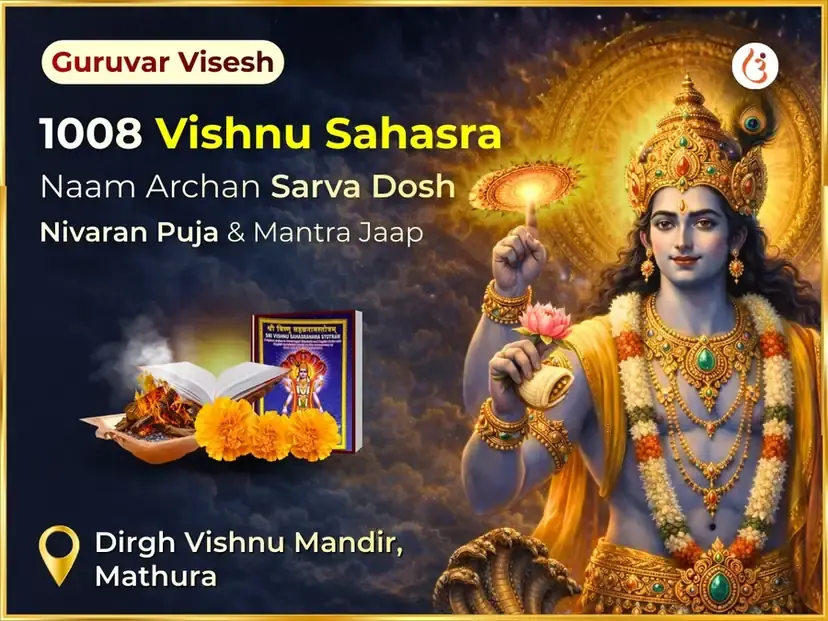
- 1008 Vishnu Sahasra Naam Archan: The chanting of Lord Vishnu's 1,000 names with offerings is a profound ritual for invoking blessings of peace, protection, and prosperity. You can find more details about related rituals for Lord Vishnu's avatars, like the ones described in our Parashuram Jayanti guide.
- Satyanarayan Vrat Katha Path: A beautiful ritual that brings truth, well-being, and fulfillment of wishes into a devotee's life. It's a cornerstone of Vaishnava tradition.
How to Participate on Utsav:
1. Select your desired puja and Dakshina.
2. Fill out the Sankalp Form with your name, gotra, and specific wish.
3. Receive a video of the puja performed by a pandit chanting your details.
4. Authentic temple prasad is then delivered directly to your home in 7-10 days.
Participate in 1008 Vishnu Sahasra Naam Archan
Participate in Satyanarayan Vrat Katha Path
Sources & References
Scriptural Authority:
- Brahmanda Purana — The primary source detailing the significance and story of Aja Ekadashi.
Vidhi / Grihya Sutras:
- Vaikhanasa Agama & Pancharatra Agama — Traditional texts governing Vishnu puja procedures.
Panchang & Timing:
- Drikpanchang.com — Tithi and muhurat times verified for 2026.
- Utsav Panchang (https://utsavapp.in/panchang)
Related Pujas on Utsav:
- 1008 Vishnu Sahasra Naam Archan
- Satyanarayan Vrat Katha Path