Nirjala Ekadashi 2026: The Ultimate Guide to Date, Muhurat & Vrat Rules
Nirjala Ekadashi Vrat falls on Thursday, June 25, 2026. This is the most powerful and austere of all 24 Ekadashis. The Padma Purana states that observing this single, waterless fast grants the spiritual merit of every other Ekadashi combined. It's a day of immense spiritual power dedicated to Lord Vishnu.
TL;DR: Nirjala Ekadashi is on Thursday, June 25, 2026. Known as the toughest Ekadashi, devotees abstain from both food and water for over 24 hours. The Padma Purana confirms it gives the benefits of all other 24 Ekadashis. It's also called Bhimseni Ekadashi, after Bhima from the Mahabharata.
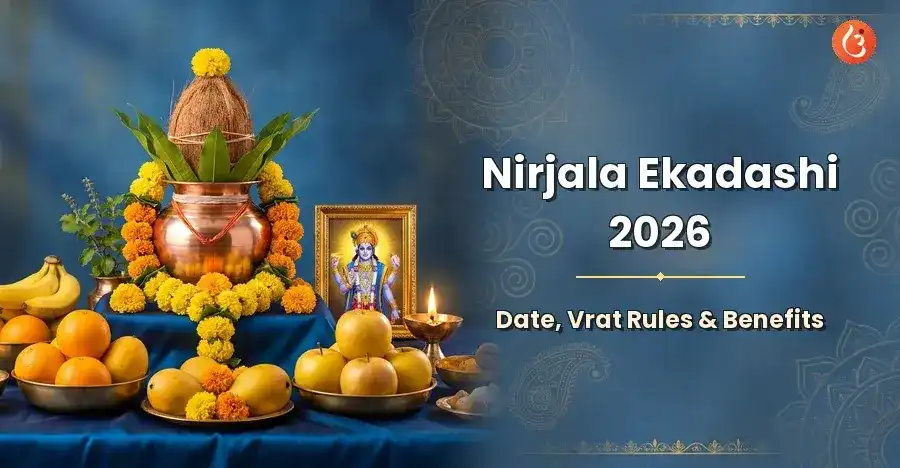
Table of Contents
- Nirjala Ekadashi 2026: Date, Tithi & Shubh Muhurat
- Why is Nirjala Ekadashi the Most Powerful Vrat?
- What is the Story Behind Bhimseni Ekadashi?
- How Do You Perform the Nirjala Ekadashi Puja?
- What are the Rules for Nirjala Ekadashi Fasting?
- What Should You Do and Avoid on This Day?
- Participate in Ekadashi Pujas on Utsav
- Sources & References
Nirjala Ekadashi 2026: Date, Tithi & Shubh Muhurat
The date is everything for this vrat. Mark your calendar. For devotees, getting the timing right for Nirjala Ekadashi is absolutely essential for fulfilling the vow correctly, as the fast spans from one sunrise to the next. You don't want to get this wrong.
- Date: Thursday, June 25, 2026
- Ekadashi Tithi Begins: 06:12 PM on Wednesday, June 24, 2026
- Ekadashi Tithi Ends: 08:09 PM on Thursday, June 25, 2026
- Parana (Fast-Breaking) Time: Between sunrise and 09:03 AM on Friday, June 26, 2026.
Here’s a look at the Shubh Muhurat across major cities, ensuring you can align your puja with the most auspicious timings.
City | Parana Time on June 26, 2026 |
|---|---|
Delhi | 05:25 AM to 08:14 AM |
Mumbai | 06:03 AM to 08:51 AM |
Varanasi | 05:15 AM to 08:04 AM |
Chennai | 05:45 AM to 08:33 AM |
Kolkata | 04:53 AM to 07:42 AM |
You can check the precise timings for your location on the Utsav Panchang for June 25, 2026.
Why is Nirjala Ekadashi the Most Powerful Vrat?
So, what makes this one Ekadashi so life-changing? It's not just about skipping a meal. The discipline required for a nirjala (waterless) fast is immense, and that intensity generates powerful spiritual energy. This isn't just folklore; it's a practice rooted in deep yogic and scriptural science.
The vrat cleanses the body and mind on a profound level. According to the Padma Purana, observing this one fast with sincere devotion is equivalent to going on pilgrimages and observing all other Ekadashis. Think about that. It’s a spiritual reset button that wipes away sins and is believed to secure a place in Vaikuntha, Lord Vishnu's abode. For anyone who can't observe all 24 Ekadashis, this is the one to perform. It's the real deal.
What is the Story Behind Bhimseni Ekadashi?
Ever wondered why it's also called Bhimseni Ekadashi? The story is a beautiful one of devotion overcoming personal limitations. It comes directly from the Mahabharata.
Bhima, the second Pandava brother, was known for his immense strength and an equally immense appetite. He simply couldn't fast. The thought of missing even one meal was impossible for him. Feeling guilty that he couldn't honor Lord Vishnu like his brothers, he sought the counsel of the great sage Vyasa.
Vyasa understood Bhima's struggle. He didn't offer a complicated solution. Instead, he gave him one powerful instruction: observe a single, perfect fast once a year on the Shukla Paksha Ekadashi of the Jyeshtha month. But there was a catch—it had to be completely without food and water. Bhima accepted the challenge and, with his incredible willpower, completed the fast. This act demonstrated that true devotion isn't about rigid rules but sincere intention, and that’s why this powerful day is forever linked to his name.
How Do You Perform the Nirjala Ekadashi Puja?
The puja vidhi for Nirjala Ekadashi is focused and heartfelt. You don't need elaborate preparations, but you do need a focused mind. Here’s a simple, step-by-step guide to performing the puja at home.
- Purification: Wake up before sunrise, take a bath, and wear clean, fresh clothes.
- Sankalp (Vow): Hold water in your palm (and then let it flow) and take the Sankalp, stating your name, gotra, and your intention to observe the Nirjala Ekadashi vrat for Lord Vishnu's grace.
- Puja Setup: Place an idol or picture of Lord Vishnu and Goddess Lakshmi on a clean altar. Light a ghee lamp and incense sticks.
- Invocation: Offer prayers to Lord Ganesha first, then invoke Lord Vishnu.
- Offerings: Offer yellow flowers, fruits (especially seasonal ones like mangoes), Tulsi leaves, and Panchamrit (a mix of milk, yogurt, honey, ghee, and sugar).
- Mantra Chanting: This is the core of the puja. Chant the Vishnu Sahasranama or the simple yet powerful mantra below.
- Aarti: Conclude the puja by performing the Aarti of Lord Vishnu.
- Jagran: Stay awake during the night (Jagran), engrossed in chanting, reading scriptures, or listening to bhajans. It's a key part of the observance.
Samagri (Puja Materials)
- Idols/Images: Lord Vishnu and Goddess Lakshmi.
- Puja Items: Ghee lamp, incense, kumkum, chandan (sandalwood paste), akshat (rice).
- Offerings: Yellow flowers, Tulsi leaves (essential), seasonal fruits, coconut, panchamrit.
Key Mantra
The Vishnu Moola Mantra is perfect for this day. It's short, powerful, and easy to recite.
- Devanagari: ॐ नमो भगवते वासुदेवाय
- Transliteration: Om Namo Bhagavate Vasudevaya
- Meaning: I bow to the Supreme Lord, Vasudeva.
- Recitation: Chant this 108 times using a Tulsi mala.
What are the Rules for Nirjala Ekadashi Fasting?
The fasting rules are strict, but that's what makes the vrat so potent. It’s a test of willpower and a testament to your devotion. Sound intense? It is, but the spiritual rewards are said to be even more so.
- The Fast: It is a complete fast from both food and water (Nirjala). It begins at sunrise on Ekadashi and ends after sunrise on Dwadashi (the next day).
- What to Avoid: Absolutely no food or water. Devotees also abstain from tamasic foods (onion, garlic), grains, and non-vegetarian items from the evening of Dashami (the day before).
- Breaking the Fast (Parana): The fast is broken only during the specified Parana time on Dwadashi morning. Breaking it too early or too late can nullify the benefits. The first thing consumed is usually a sip of water with a Tulsi leaf.
- Who Should Avoid: This fast is extremely difficult. Pregnant women, the elderly, and people with serious health conditions should not attempt it without consulting a doctor and a pandit.
What Should You Do and Avoid on This Day?
Observing the vrat goes beyond just fasting. Your actions, thoughts, and words throughout the day matter deeply. Here’s a quick guide to help you align your entire being with the day's sacred energy.
Do's
- Wake up during the Brahma Muhurat (before sunrise).
- Dedicate the entire day to thoughts of Lord Vishnu.
- Chant mantras and read holy texts like the Vishnu Purana or Bhagavad Gita.
- Practice celibacy (Brahmacharya).
- Engage in Daan (charity). Donating water, clothes, or food to the needy on this day is considered highly meritorious.
Don'ts
- Don't consume any food or water.
- Avoid sleeping during the daytime.
- Refrain from any form of criticism, gossip, or harsh speech.
- Don't pluck Tulsi leaves on Ekadashi day; collect them a day prior.
- Avoid cutting your hair or nails.
Participate in Ekadashi Pujas on Utsav
If you can't perform the detailed puja vidhi at home or wish to enhance your spiritual practice, you can participate in special Ekadashi pujas performed by verified pandits at sacred temples. It's a beautiful way to connect with the divine energy of the day.
Here's how you can participate through Utsav:
- Khatu Shyam Mandir Ujjain Ekadashi Special Puja For Prosperity: A powerful puja performed at a revered temple, perfect for seeking blessings on this auspicious day. The Dakshina starts from ₹501.
- Jaya Ekadashi Visesh Puja Brihaspateshwaar Temple Kashi: Participate in a special puja from the holy city of Kashi to amplify your prayers.
How It Works:
1. You select the puja and the Dakshina you wish to offer.
2. You fill out the Sankalp Form with your name, gotra, and prayer.
3. A verified pandit at the temple performs the puja, chanting your details.
4. You receive a video of the puja and blessed prasad delivered to your home.
You can also explore other Vrat guides, like the one for Kamoda Ekadashi, to understand the significance of other important fasting days.
Sources & References
Scriptural Authority:
* Padma Purana: Details the conversation between Vyasa and Bhima, establishing the significance of this vrat.
* Mahabharata: Provides the original context for the story of Bhimseni Ekadashi.
Panchang & Timing:
* Drikpanchang.com — Tithi and muhurat timings verified for 2026.
* Utsav Panchang (https://utsavapp.in/panchang) — For city-specific timings.