Pitru Paksha 2026: Complete Guide to Shraddha Rituals, Dates & Significance
Pitru Paksha is the most important period in the Hindu calendar for honoring our ancestors (Pitrus). This 15-day observance is dedicated to performing Shraddha rituals to ensure their souls find peace and bless their descendants. According to the Garuda Purana, these rites are a sacred duty. In 2026, Pitru Paksha begins on September 26 and concludes on October 10.
Quick Answer: Pitru Paksha 2026
- What: A 15-day Hindu period for honouring ancestors through Shraddha (श्राद्ध) rituals.
- When: September 26, 2026 to October 10, 2026, during the Krishna Paksha of the Ashwin month.
- Why: To nourish and pacify the souls of departed ancestors, seek their blessings, and resolve Pitru Dosha.
- How to Participate: Perform Tarpan and Pind Daan, or Participate in Pitru Shanti Puja with Dakshina from ₹501.
Table of Contents
- Pitru Paksha 2026: Key Dates & Timings
- What is the Spiritual Significance of Pitru Paksha?
- What is the Story Behind Pitru Paksha?
- How Are Key Shraddha Rituals Performed?
- Where Are the Most Sacred Places for Shraddha?
- What Are the Main Do's and Don'ts During This Period?
- Participate in Pitru Paksha Pujas on Utsav
- Sources & References
Pitru Paksha 2026: Key Dates & Timings
The timing for Pitru Paksha is precise, aligning with the lunar calendar. The entire period, as per the Drik Panchang, spans 15 tithis, starting from the full moon day (Purnima) of Bhadrapada month and ending on the new moon day (Amavasya) of Ashwin month. It's not just a random two weeks.
Here are the most significant dates for 2026. You should perform the Shraddha for an ancestor on the same tithi (lunar day) they passed away.
Tithi (Lunar Day) | 2026 Date | Significance |
|---|---|---|
Purnima Shraddha | For those who passed on a Purnima tithi. | |
Pratipada Shraddha | Start of the main fortnight of rituals. | |
Sarva Pitru Amavasya | The most important day; for all ancestors, especially if the tithi is unknown. |
What is the Spiritual Significance of Pitru Paksha?
The Garuda Purana (गरुड़ पुराण), specifically in its Preta Khanda, explains that during this fortnight, the souls of our ancestors leave Pitru Loka (the realm of ancestors) and visit their descendants on Earth. They expect to receive offerings that nourish and sustain them. It’s a profound spiritual transaction. You aren't just remembering them; you're actively supporting their journey.
Think of it this way: performing Shraddha is your dharma (duty). It repays the debt you owe to those who came before you. Failing to do so can lead to Pitru Dosha, an ancestral affliction believed to cause obstacles in health, finances, and family harmony. By performing these rituals, you don't just help them—you clear the path for your own spiritual and material well-being. It’s absolutely essential.
What is the Story Behind Pitru Paksha?
The most famous origin story comes directly from the Mahabharata (महाभारत). It’s a powerful lesson. When the great warrior Karna ascended to heaven after his death, he was offered gold and jewels as food. He was confused. He asked Indra, the king of gods, why he wasn't given actual food.
Indra explained that while Karna had donated immense wealth his entire life (an act of great merit), he had never once offered food to his ancestors in their name. He missed a critical duty. Realizing his oversight, Karna was granted a return to Earth for 15 days to perform Shraddha for his forefathers. That 15-day period is what we now observe as Pitru Paksha. This story isn't just a legend; it's a clear instruction on the importance of anna daan (food offerings) for the Pitrus.
How Are Key Shraddha Rituals Performed?
The rituals performed during Pitru Paksha are highly specific and deeply symbolic, as detailed in various Grihya Sutras. They aren't just random acts but a structured process to connect with the ancestral realm. You'll find that each step has a clear purpose.
Here are the three core components:
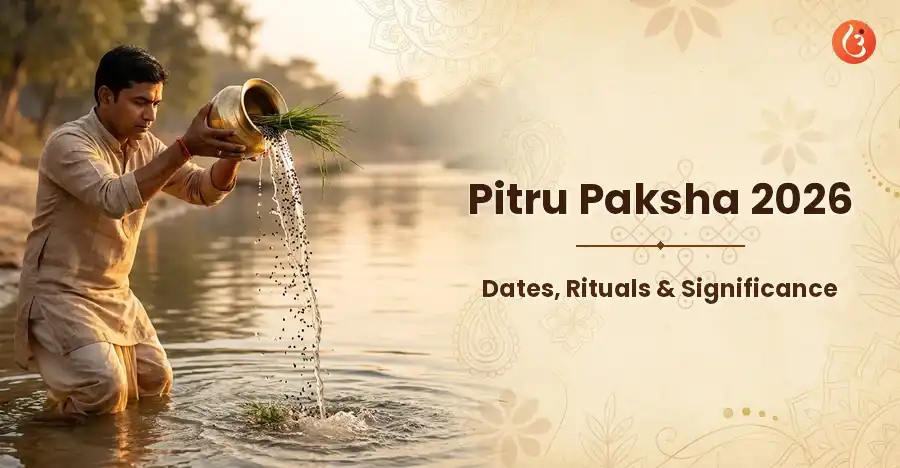
- Tarpan (तर्पण): This is the offering of water mixed with black sesame seeds (til), barley, and blades of kusha grass. The eldest male member of the family typically performs this while facing south, chanting the names of the ancestors. It’s a ritual of quenching the thirst of departed souls.
- Pind Daan (पिण्ड दान): This is the most critical part. Pindas are rice balls mixed with ghee, honey, and black sesame seeds. These are offered as symbolic food for the ancestors' subtle bodies. One pinda is offered for the father, one for the grandfather, and one for the great-grandfather.
- Brahmin Bhojan: After the rituals, you should invite and feed Brahmins. It is believed that whatever is offered to the Brahmins directly reaches the ancestors. If you can't arrange for a Brahmin, offering food to a crow (believed to be a messenger of Yama, the god of death) is also considered highly auspicious.
Where Are the Most Sacred Places for Shraddha?
While you can perform Shraddha at home, certain pilgrimage sites (tirthas) are considered exceptionally powerful for these rituals. Performing them at these locations, according to temple records and Puranic texts, magnifies the spiritual merit immensely. It's the difference between a good deed and a life-changing one.
Here are the most significant Tirthas for Pitru Paksha:
- Gaya, Bihar: This is the ultimate destination for Pind Daan. Rituals performed on the banks of the Phalgu River and under the ancient Akshayavat (the immortal banyan tree) are believed to grant salvation (moksha) to the ancestors.
- Varanasi (Kashi), Uttar Pradesh: Offering Pind Daan at the holy ghats of the Ganga river in Kashi is another powerful act. The energy of the city, dedicated to Lord Shiva, aids in the liberation of souls.
- Prayagraj, Uttar Pradesh: The Triveni Sangam, where the Ganga, Yamuna, and mythical Saraswati rivers meet, is a potent spot for ancestral rites. A dip here is said to wash away sins across generations.
What Are the Main Do's and Don'ts During This Period?
This fortnight is a time of solemn observance and spiritual discipline. It’s not a period for celebration. Following these guidelines, which are based on traditional practices, shows respect and ensures the rituals are effective.
What You Should Do
- Perform Tarpan and Pind Daan with full faith and devotion.
- Offer food to Brahmins, crows, cows, and dogs.
- Read scriptures like the Garuda Purana or Bhagavad Gita.
- Maintain celibacy and a calm, spiritual demeanor.
- Donate food, clothes, and money to the needy in your ancestors' names.
What You Should Avoid
- Don't start any new ventures, make large purchases (like a house or car), or schedule auspicious events like weddings.
- Avoid consuming non-vegetarian food, onion, garlic, and alcohol.
- Do not cut your hair or nails during this period.
- Avoid using iron vessels for the rituals; prefer silver or copper.
- Don't engage in arguments or use harsh language.
Participate in Pitru Paksha Pujas on Utsav
For many devotees, performing these intricate rituals correctly can be challenging. Utsav connects you with verified pandits at sacred Tirthas who can perform these ceremonies on your behalf, ensuring every detail is perfect. It's a powerful way to fulfill your duty.
You can honour your ancestors through these specialized pujas:
- Tri Tirth Nagari Pitru Shanti Puja: A comprehensive puja performed at key pilgrimage sites to bring peace to the souls of your ancestors. Dakshina starts from ₹501.
- Pitru Paksh Visesh Narayan Bali Nagbali: This is a powerful remedy for those whose ancestors had an unnatural or untimely death, helping resolve deep-seated Pitru Dosha.
How it works:
1. You select the puja and provide the Dakshina.
2. You fill out the Sankalp Form with the names of your ancestors.
3. A verified pandit performs the puja, chanting their names.
4. You receive a video of the ritual within days.
Tithi Aarti
ॐ जय जगदीश हरे, स्वामी जय जगदीश हरे ।
भक्त जनों के संकट, दास जनों के संकट, क्षण में दूर करे ॥
ॐ जय जगदीश हरे...
Om Jai Jagdish Hare, Swami Jai Jagdish Hare,
Bhakt jano ke sankat, Daas jano ke sankat, kshan mein door kare.
Om Jai Jagdish Hare...
This universal aarti praises Lord Vishnu, the preserver of the universe and the ultimate recipient of all sacred offerings. The verse is a humble prayer asking Him, the master of all, to instantly remove the sorrows and obstacles faced by His devotees.
When to sing: During Pitru Paksha, this aarti should be sung after completing the daily Shraddha or Tarpan rituals. It concludes the ceremony by seeking Lord Vishnu's divine grace to grant peace (shanti) and liberation (moksha) to the ancestors, ensuring their peaceful journey.
Tithi Mantras
During Pitru Paksha, while specific shlokas for ancestors are primary, invoking Lord Vishnu is essential as He is the ultimate granter of moksha (liberation). Chanting His mantra helps ensure that the Shraddha offerings reach the Pitrus and their souls attain peace. This powerful mantra is a humble surrender to the divine protector of the universe, whose grace is sought for the upward journey of the departed.
Vishnu Moola Mantra
ॐ नमो भगवते वासुदेवाय
Om Namo Bhagavate Vasudevaya
This mantra translates to "I bow to the Supreme Lord, Vasudeva." It is a salutation to Lord Vishnu, acknowledging Him as the indwelling divine presence in all beings. Chanting it during Pitru Paksha is believed to absolve sins and guide ancestral souls toward final liberation. For best results, recite this mantra 108 times daily, ideally in the morning after a bath. While Thursday and Ekadashi are especially auspicious for Vishnu worship, its daily recitation throughout this sacred fortnight amplifies the spiritual benefits of all rituals performed.
Sources & References
- Scriptural Authority: Garuda Purana (Preta Khanda) and Markandeya Purana provide the foundational knowledge and procedures for Shraddha. The story of Karna is detailed in the Mahabharata.
- Panchang & Timing: All dates and muhurats for 2026 are verified using Drikpanchang.com and the Utsav Panchang.
- Ritual Vidhi: The procedures are based on traditional practices outlined in various Grihya Sutras.
- Related Pujas on Utsav: Tri Tirth Nagari Pitru Shanti Puja.