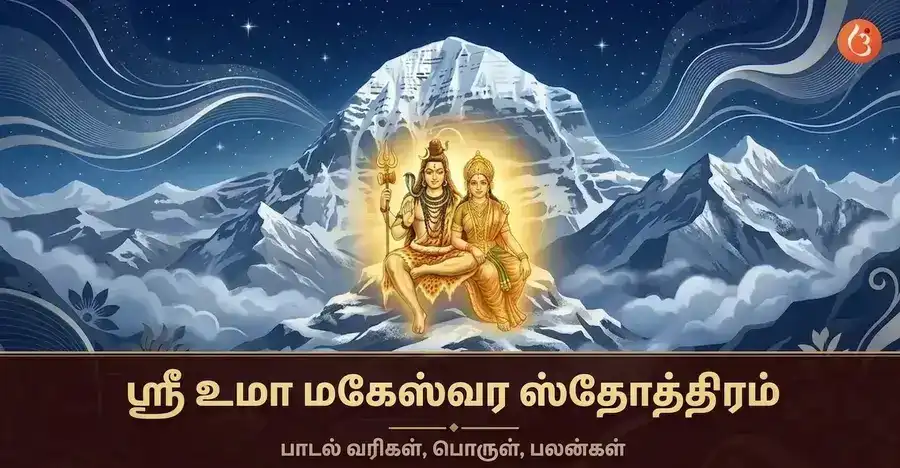
"உமா மஹேஷ்வர ஸ்தோத்ரம்: திருமண ஒற்றுமைக்கான பாடல் வரிகள், பொருள் மற்றும் பலன்கள்"
பண்டிட் வேதிக் சர்மா, சமஸ்கிருத ஸ்தோத்திர நிபுணர் | உட்சவ் ஆசிரியர் குழுவால் மதிப்பாய்வு செய்யப்பட்டது
உமா மகேஷ்வர ஸ்தோத்திரம் (उमा महेश्वर स्तोत्र) என்பது மகா முனிவர் ஆதி சங்கராச்சாரியாரால் இயற்றப்பட்ட 13 ஸ்லோகங்களைக் கொண்ட ஒரு சக்திவாய்ந்த சமஸ்கிருத துதியாகும். இது ஒரு பிரார்த்தனை மட்டுமல்ல; இது சிவபெருமான் (மகேஷ்வரர்) மற்றும் பார்வதி தேவி (உமா) ஆகியோரின் தெய்வீக ஐக்கியத்தைப் பற்றிய ஒரு ஆழ்ந்த தியானமாகும், அவர்களைப் பிரிக்க முடியாத பிரபஞ்ச தம்பதிகளாகக் கொண்டாடுகிறது. பக்தர்கள் இந்த ஸ்தோத்திரத்தை முக்கியமாக இணக்கமான மற்றும் வலுவான திருமண உறவுக்காகவும், சண்டைகளைத் தீர்க்கவும், மற்றும் பொருத்தமான துணையைக் கண்டறியவும் ஆசீர்வாதம் பெற உச்சரிக்கின்றனர். இதை பாராயணம் செய்வது அன்பு, புரிதல் மற்றும் பரஸ்பர மரியாதை நிறைந்த வாழ்க்கைக்கான தெய்வீக அருளைப் பெறும் என்று நம்பப்படுகிறது.
பொருளடக்கம்
- உமா மகேஷ்வர ஸ்தோத்திரம் — ஆங்கிலத்தில் முழுமையான வரிகள்
- உமா மகேஷ்வர ஸ்தோத்திரம் — ஸ்லோகம் வாரியான பொருள்
- உமா மகேஷ்வர ஸ்தோத்திரம் பாராயணம் செய்வதன் நன்மைகள்
- பாராயணம் செய்வது எப்படி: முழுமையான விதி
- 2026-ல் பாராயணம் செய்ய சிறந்த நாட்கள்
- தெய்வீக தம்பதியர் பற்றி: உமா & மகேஷ்வரர்
- உட்சவ்வில் திருமண நல்லிணக்கத்திற்கான பூஜைகளில் பங்கேற்கவும்
- ஆதாரங்கள் & குறிப்புகள்
உமா மகேஷ்வர ஸ்தோத்திரம் — ஆங்கிலத்தில் முழுமையான வரிகள்
Namah Shivabhyam nava youvanabhyam,
Parasparashlishta vapurdharabhyam,
Nagendra kanya vrusha kethabhyam,
Namo namah Shankara Parvathibhyam.Namah Shivabhyam sarasothsavabhyam,
Namaskruthabheeshta varapradhabhyam,
Narayanenarchitha padukabhyam,
Namo namah Shankara Parvathibhyam.Namah Shivabhyam vrusha vahanabhyam,
Virinchi vishn Indrapriya modithabhyam,
Vibhoothi pattera vilepanabhyam,
Namo namah Shankara Parvathibhyam.Namah Shivabhyam Jagadeeswarabhyam,
Jagat pathibhyam, jaya vigrahabhyam,
Jambhari मुख्यैर abhi vandidabhyam,
Namo namah Shankara Parvathibhyam.Namah Shivabhyam paramoushadabhyam,
Panchakshari panjara ranjithabhyam,
Prapancha srushti sthithi samhruthabhyam,
Namo namah Shankara Parvathibhyam.Namah Shivabhyam athi sundarabhyam,
Athyantha masakta hrudambujabhyam,
Asesha lokaika hithamkarabhyam,
Namo namah Shankara Parvathibhyam.Namah Shivabhyam kalinashanabhyam,
Kankala kalyana vapurdharabhyam,
Kailasa saila sthitha devathabhyam,
Namo namah Shankara Parvathibhyam.Namah Shivabhyam asubapaharabhyam,
Asesha lokaika viseshithabhyam,
Akuntithabhyam, smruthi sambhruthabhyam,
Namo namah Shankara Parvathibhyam.Namah Shivabhyam dhrutha panchakabhyam,
Jnanapradhabhyam, kruthadeenakamabhyam,
Kameshwarabhyam, kama dahanabhyam,
Namo namah Shankara Parvathibhyam.Namah Shivabhyam vishamekshanabhyam,
Bilwachhadhamallikadhama brudbhyam,
Shobhavathi santhavatheeswarabhyam,
Namo namah Shankara Parvathibhyam.Namah Shivabhyam pasupalakabhyam,
Jagathrayee rakshana badha dhrudabhyam,
Samastha devasura poojithabhyam,
Namo namah Shankara Parvathibhyam.Namah Shivabhyam cha suvarnahastabhyam,
Kiriitina baddha jata dharabhyam,
Virupakshabhyam cha viseshithabhyam,
Namo namah Shankara Parvathibhyam.Stotram trisanthyam Shiva Parvathibhyam,
Bhakthya pateth dwadasaka manoukhyam,
Sa sarva soubhagya phalani bunkthe,
Sathayuranthe Shiva lokamethi.
உமா மகேஷ்வர ஸ்தோத்திரம் — ஸ்லோகம் வாரியான பொருள்
ஸ்லோகங்கள் 1-4-ன் பொருள்
ஸ்லோகம் 1: நித்திய இளமையும் அழகும் கொண்ட சிவன் மற்றும் பார்வதியை நான் வணங்குகிறேன். அவர்களின் உடல்கள் அன்பான அணைப்பில் பின்னிப் பிணைந்துள்ளன. அவள் மலை ராஜாவின் மகள், அவர் தனது கொடியில் காளையைக் கொண்டவர். சங்கரனுக்கும் பார்வதிக்கும் நமஸ்காரங்கள்.
ஸ்லோகம் 2: மகிழ்ச்சியான கொண்டாட்டங்களில் மகிழ்ந்து, தங்கள் பக்தர்களின் மனமார்ந்த விருப்பங்களை நிறைவேற்றும் தெய்வீக தம்பதியருக்கு நமஸ்காரங்கள். அவர்களின் புனித பாதங்கள் நாராயண பகவானாலேயே வணங்கப்படுகின்றன. இது ஒரு பிரார்த்தனை மட்டுமல்ல; இது அவர்களின் மேலான சக்தியை ஒப்புக்கொள்வதாகும்.
ஸ்லோகம் 3: சிவன் மற்றும் பார்வதியை நான் வணங்குகிறேன். அவர் நந்தி காளையில் சவாரி செய்கிறார், மேலும் அவர்கள் பிரம்மா, விஷ்ணு மற்றும் இந்திரனுக்கு மகிழ்ச்சியைத் தருகிறார்கள். அவர்களின் உடல்கள் புனித சாம்பல் மற்றும் சந்தனத்தால் அலங்கரிக்கப்பட்டுள்ளன. இந்த ஸ்லோகத்தில் பிரபஞ்சத்தின் கம்பீரத்தை நீங்கள் உணரலாம்.
ஸ்லோகம் 4: பிரபஞ்சத்தின் முழுமுதற் கடவுள்களான தெய்வீக தம்பதியருக்கு நமஸ்காரங்கள். அவர்கள் உலகின் பாதுகாவலர்கள், எப்போதும் வெற்றி பெறுபவர்கள், மற்றும் இந்திரன் மற்றும் பிற தேவர்களால் வணங்கப்படுகிறார்கள். அவர்களின் அதிகாரம் முழுமையானது.
ஸ்லோகங்கள் 5-8-ன் பொருள்
ஸ்லோகம் 5: வாழ்க்கையின் துயரங்களுக்கு முழுமையான மருந்தாக விளங்கும் தெய்வீக தம்பதியரை நான் வணங்குகிறேன். அவர்கள் புனிதமான ஐந்தெழுத்து மந்திரமான "ஓம் நம சிவாய" மூலம் மகிமைப்படுத்தப்படுகிறார்கள். முழு பிரபஞ்சத்தின் படைத்தல், காத்தல் மற்றும் அழித்தல் ஆகியவற்றிற்கு அவர்களே பொறுப்பு. யோசித்துப் பாருங்கள்—அவர்கள் முழு பிரபஞ்சத்தையும் தங்கள் கைகளில் வைத்திருக்கிறார்கள்.
ஸ்லோகம் 6: மிக அழகான சிவன் மற்றும் பார்வதிக்கு நமஸ்காரங்கள். அவர்களின் இதயங்கள் தாமரை மலர்களைப் போல ஆழமாகவும் நித்தியமாகவும் இணைக்கப்பட்டுள்ளன. அவர்கள் எல்லா உலகங்களிலும் உள்ள அனைத்து உயிர்களின் நலனுக்காக அயராது உழைக்கிறார்கள். அவர்களின் அன்பு ஒருவருக்கொருவர் மட்டுமல்ல; அது அனைவருக்குமானது.
ஸ்லோகம் 7: கலியுகத்தின் எதிர்மறை விளைவுகளை அழிக்கும் தெய்வீக தம்பதியரை நான் வணங்குகிறேன். அவர்களின் தெய்வீக வடிவங்கள் மங்களத்தையும் நல்வாழ்வையும் தருகின்றன. அவர்கள் புனிதமான கைலாய மலையில் வசிக்கும் முக்கிய தெய்வங்கள். அவர்கள் தொலைதூர தெய்வங்கள் அல்ல; அவர்கள் இங்கேயே இருந்து செயல்படுகிறார்கள்.
ஸ்லோகம் 8: அமங்கலமான அனைத்தையும் அகற்றும் தெய்வீக தம்பதியருக்கு நமஸ்காரங்கள். அவர்கள் எல்லா உலகங்களிலும் தனித்துவமானவர்கள் மற்றும் சிறப்பானவர்கள். அவர்கள் நித்தியமானவர்கள், மேலும் அவர்கள் தங்கள் பக்தர்களின் நினைவுகளில் நிலைத்திருக்கிறார்கள்.
ஸ்லோகங்கள் 9-13-ன் பொருள் (பலஸ்ருதி)
ஸ்லோகம் 9: பஞ்சபூதங்களைக் கொண்ட தெய்வீக தம்பதியரை நான் வணங்குகிறேன். அவர்கள் அறிவை அருளி, பணிவுள்ளவர்களின் விருப்பங்களை நிறைவேற்றுகிறார்கள். அவர்கள் அன்பின் கடவுள்கள், ஆனாலும் அவர்களே காமனை (ஆசையின் கடவுள்) எரித்து சாம்பலாக்கினார்கள். என்ன ஒரு சக்திவாய்ந்த முரண்பாடு, இல்லையா?
ஸ்லோகம் 10: தெய்வீக தம்பதியருக்கு நமஸ்காரங்கள். அவருக்கு ஒற்றைப்படை எண்ணிக்கையில் (மூன்று) கண்கள் உள்ளன, மேலும் அவர்கள் வில்வ இலைகள் மற்றும் மல்லிகைப் பூ மாலைகளால் அலங்கரிக்கப்பட்டுள்ளனர். அவர்கள் ஒளிமயமான மற்றும் அமைதியான அனைத்திற்கும் அதிபதிகள்.
ஸ்லோகம் 11: அனைத்து உயிரினங்களின் (பசுபதி) பாதுகாவலர்களான சிவன் மற்றும் பார்வதியை நான் வணங்குகிறேன். அவர்கள் மூன்று உலகங்களையும் பாதுகாப்பதில் உறுதியாக உள்ளனர். அவர்கள் தேவர்கள் மற்றும் அசுரர்கள் அனைவராலும் வணங்கப்படுகிறார்கள்—இது அவர்களின் உலகளாவிய சக்திக்கு ஒரு சான்றாகும்.
ஸ்லோகம் 12: தங்கத்தைப் போன்ற கைகளைக் கொண்ட, மற்றும் சடைமுடியில் கிரீடம் அணிந்திருக்கும் தெய்வீக தம்பதியருக்கு நமஸ்காரங்கள். அவர்கள் தனித்துவமான கண்களையும், சிறப்பான, தனித்தனி வடிவங்களையும் கொண்டுள்ளனர். இந்த ஸ்லோகம் அவர்களின் தெய்வீக தோற்றத்தின் ஒரு தெளிவான சித்திரத்தை வரைகிறது.
ஸ்லோகம் 13 (பலஸ்ருதி): இது பக்தர்களுக்கு மிக முக்கியமான ஸ்லோகம். இந்த பன்னிரண்டு ஸ்லோகங்களையும் பக்தியுடன் ஒரு நாளைக்கு மூன்று முறை (காலை, மதியம், மற்றும் மாலை) பாராயணம் செய்பவர் எல்லாவிதமான நல்வாய்ப்புகளையும் செழிப்பையும் அனுபவிப்பார் என்று இது கூறுகிறது. மேலும், நீண்ட மற்றும் நிறைவான வாழ்க்கையின் முடிவில், அவர்கள் சிவபெருமானின் இருப்பிடத்தை (சிவலோகம்) அடைவார்கள். இது ஆசீர்வாதங்களின் நேரடி வாக்குறுதியாகும்.
உமா மகேஷ்வர ஸ்தோத்திரம் பாராயணம் செய்வதன் நன்மைகள்
இந்த ஸ்தோத்திரத்தை உச்சரிப்பது ஒரு சடங்கு மட்டுமல்ல; இது உங்கள் வாழ்க்கையை, குறிப்பாக உங்கள் உறவுகளை மாற்றுவதற்கான ஒரு சக்திவாய்ந்த பயிற்சியாகும்.
திருமண நல்லிணக்கம் & உறவுகளுக்கு
- திருமண பந்தங்களை வலுப்படுத்துகிறது: தங்கள் அன்பையும் புரிதலையும் ஆழப்படுத்த விரும்பும் தம்பதிகளுக்கு இது மிகவும் பயனுள்ள ஸ்தோத்திரங்களில் ஒன்றாகக் கருதப்படுகிறது. இது பரிபூரண தெய்வீக தம்பதியரின் ஆற்றலை வரவழைக்கிறது.
- சண்டைகளைத் தீர்க்கிறது: வழக்கமான பாராயணம் தம்பதியரிடையே உள்ள தவறான புரிதல்கள், வாக்குவாதங்கள் மற்றும் கருத்து வேறுபாடுகளைக் கரைத்து, அமைதி மற்றும் பரஸ்பர மரியாதை சூழலை வளர்க்க உதவுகிறது.
- துணையைக் கண்டறிய ஆசீர்வாதங்கள்: திருமணமாகாதவர்கள், இந்த ஸ்தோத்திரத்தை நம்பிக்கையுடன் பாராயணம் செய்வது, சிவன் மற்றும் பார்வதியால் ஆசீர்வதிக்கப்பட்ட, பொருத்தமான மற்றும் அன்பான வாழ்க்கைத் துணையை ஈர்க்க உதவும்.
ஆன்மீக & கர்ம நன்மைகள்
- சிவலோகத்தை அடைதல்: பலஸ்ருதி (ஸ்லோகம் 13) இதைத் தவறாமல் பாராயணம் செய்யும் பக்தர், பூலோக வாழ்க்கைக்குப் பிறகு சிவனின் தெய்வீக இருப்பிடத்தை அடைவார் என்று வெளிப்படையாக உறுதியளிக்கிறது.
- எதிர்மறை கர்மாவை நீக்குகிறது: இந்த ஸ்தோத்திரம் ஒரு ஆன்மீக சுத்திகரிப்பாளராக செயல்பட்டு, உறவுகளிலும் வாழ்க்கையிலும் தடைகளை ஏற்படுத்தக்கூடிய எதிர்மறை கர்ம பதிவுகளை நீக்குகிறது.
- உள் அமைதியை வளர்க்கிறது: சிவன் மற்றும் சக்தியின் பரிபூரண ஐக்கியத்தை தியானிப்பதன் மூலம், நீங்கள் உள் சமநிலை, அமைதி மற்றும் அசைக்க முடியாத பக்தி உணர்வை வளர்த்துக் கொள்கிறீர்கள்.
பாராயணம் செய்வது எப்படி: முழுமையான விதி
சரியான நடைமுறையை (விதி) பின்பற்றுவது ஸ்தோத்திரத்தின் ஆன்மீக தாக்கத்தை அதிகரிக்கிறது. இது எளிமையானது மற்றும் வீட்டிலேயே செய்யலாம்.
- தயாரிப்பு: குளித்து, சுத்தமான, புதிய ஆடைகளை அணிந்து தொடங்கவும். சுத்தமான உடல், சுத்தமான மற்றும் ஒருமுகப்படுத்தப்பட்ட மனதை உருவாக்க உதவுகிறது.
- ஏற்பாடு: அமைதியான, சுத்தமான இடத்தைக் கண்டறியவும். சிவபெருமான் மற்றும் பார்வதி தேவியின் படம், சிலை அல்லது யந்திரத்தை உங்களுக்கு முன்னால் வைக்கவும். ஒரு பாரம்பரிய நெய் அல்லது எண்ணெய் விளக்கு மற்றும் சில ஊதுபத்திகளை ஏற்றவும்.
- காணிக்கைகள்: தூய இதயத்துடன் உங்களால் முடிந்ததை அர்ப்பணிக்கவும். புதிய பூக்கள் (சிவனுக்கு வெள்ளை பூக்கள், பார்வதிக்கு சிவப்பு பூக்கள் உகந்தவை), ஒரு பழம், மற்றும் பாலுடன் சர்க்கரை அல்லது கற்கண்டு போன்ற எளிய பிரசாதம் ஆகியவை சரியானவை.
- ஆவாஹனம்: ஸ்தோத்திரத்தைத் தொடங்குவதற்கு முன், உங்கள் மனதை அமைதிப்படுத்தி, பஞ்சாக்ஷர மந்திரமான, "ஓம் நம சிவாய," 11 முறை உச்சரிக்கவும். இது சிவபெருமானின் பிரசன்னத்தை வரவழைக்கிறது.
- பாராயணம்: உமா மகேஷ்வர ஸ்தோத்திரத்தை தெளிவான உச்சரிப்புடன், மிக முக்கியமாக, மனமார்ந்த பக்தியுடன் உச்சரிக்கவும். அவசரப்பட வேண்டாம். ஒவ்வொரு வார்த்தையின் பொருளையும் உணருங்கள். ஒரே அமர்வில் 1, 3, அல்லது 11 முறை பாராயணம் செய்ய பரிந்துரைக்கப்படுகிறது.
- நிறைவு: பாராயணத்தை முடித்த பிறகு, சிவன் மற்றும் பார்வதிக்கு ஒரு எளிய ஆரத்தி செய்யவும். பின்னர், சில நிமிடங்கள் அமைதியாக அமர்ந்து, அவர்களின் தெய்வீக வடிவத்தை தியானித்து, உங்கள் உறவு மற்றும் நல்வாழ்வுக்காக அவர்களின் ஆசீர்வாதங்களைப் பெறவும்.
2026-ல் பாராயணம் செய்ய சிறந்த நாட்கள்
நீங்கள் இந்த ஸ்தோத்திரத்தை தினமும் உச்சரிக்கலாம் என்றாலும், சில நாட்கள் சிவன் மற்றும் பார்வதியின் ஆற்றல்களுடன் இணைவதற்கு குறிப்பாக சக்தி வாய்ந்தவை.
தேதி | நிகழ்வு | பக்தர்களுக்கான முக்கியத்துவம் |
|---|---|---|
ஒவ்வொரு திங்கட்கிழமையும் | சோம்வார் (சிவனின் நாள்) | அமைதி மற்றும் நல்லிணக்கத்தை பராமரிக்க வழக்கமான வாராந்திர பாராயணத்திற்கான சிறந்த நாள். |
ஒவ்வொரு பிரதோஷமும் | பிரதோஷ விரதம் | சிவன் மற்றும் பார்வதியை வழிபட மிகவும் மங்களகரமான இரு மாதங்களுக்கு ஒருமுறை வரும் நேரம் (சூரிய அஸ்தமனத்திற்கு 1.5 மணி நேரத்திற்கு முன்னும் பின்னும்). |
ஹர்தாலிகா தீஜ் | சிவபெருமானை மணக்க பார்வதி தேவி செய்த கடும் தவத்தை கொண்டாடும் ஒரு முக்கிய பண்டிகை. திருமண ஆசீர்வாதங்களுக்கு ஏற்றது. | |
மகா சிவராத்திரி | எந்தவொரு நோக்கத்திற்காகவும் சிவபெருமானின் அருளைப் பெறுவதற்கு ஆண்டின் மிகவும் சக்திவாய்ந்த இரவு. |
தெய்வீக தம்பதியர் பற்றி: உமா & மகேஷ்வரர்
சிவபெருமான் (மகேஷ்வரர்) பரம்பொருள், பிரபஞ்சத்தை படைத்து, காத்து, மாற்றும் முழுமுதற் கடவுள். அவரே பிரக்ஞை. அவரது தெய்வீக துணைவியான பார்வதி தேவி (உமா), பிரபஞ்ச அன்னை மற்றும் படைப்பை சாத்தியமாக்கும் ஆற்றலான சக்தியின் வடிவம்.
அவர்களின் ஐக்கியம் ஒரு புராணத் திருமணம் மட்டுமல்ல; அது வாழ்வின் அடிப்படைக் கொள்கை. இது பிரக்ஞை (சிவன்) மற்றும் ஆற்றல் (சக்தி) ஆகியவற்றின் பரிபூரண, பிரிக்க முடியாத சமநிலையைக் குறிக்கிறது. அவர்கள் கைலாய மலையில் ஒன்றாக வசிக்கிறார்கள், மேலும் அவர்களின் தெய்வீக காதல் கதை ஒரு சிறந்த, ஆன்மீக ரீதியில் நிறைவான உறவைத் தேடும் பக்தர்களுக்கு உத்வேகம் அளிக்கிறது. சிவபெருமானின் தெய்வீக வடிவங்களைப் பற்றி மேலும் அறிய, சக்திவாய்ந்த த்வாதச ஜோதிர்லிங்க ஸ்தோத்திரம் மற்றும் அதன் நன்மைகள்-ஐ நீங்கள் ஆராயலாம்.
உட்சவ்வில் திருமண நல்லிணக்கத்திற்கான பூஜைகளில் பங்கேற்கவும்
தங்கள் உறவுகளை வலுப்படுத்த, தொழில் ரீதியாக நடத்தப்படும் ஆழமான பரிகாரத்தைச் செய்ய விரும்பும் பக்தர்களுக்கு, புனிதமான மற்றும் சக்திவாய்ந்த கோவில்களில் பூஜைகளில் பங்கேற்கும் வாய்ப்பை உட்சவ் வழங்குகிறது.
பரிந்துரைக்கப்படும் பூஜைகள்:
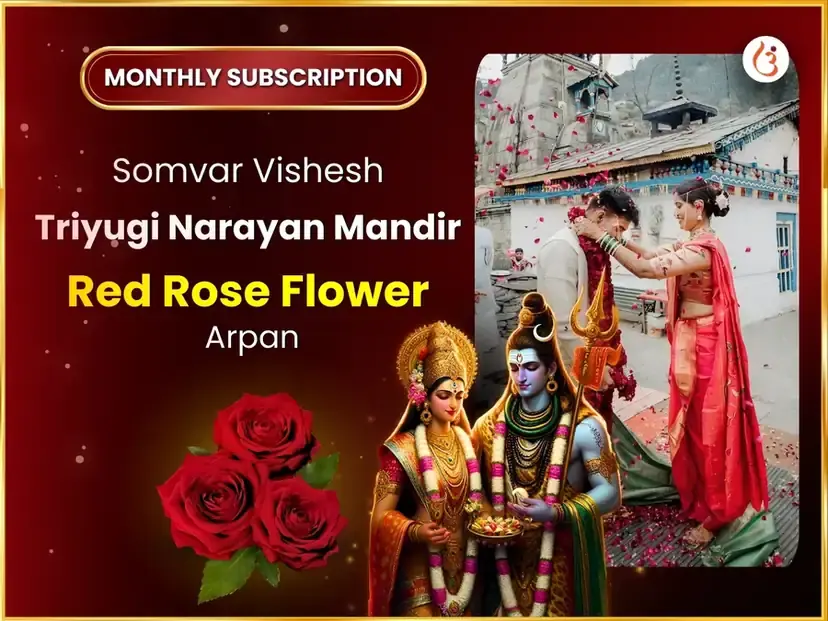
- திரியுகிநாராயண் சாப்தாஹிக் (வாராந்திர) குலாப் டான் சேவா: சிவபெருமான் மற்றும் பார்வதி தேவியின் தெய்வீக திருமணம் நடந்த புனிதமான திரியுகிநாராயண் கோவிலில் ஒரு சிறப்பு ரோஜா சமர்ப்பணத்தில் பங்கேற்கவும். இது திருமண ஆசீர்வாதங்களுக்கான மிகவும் சக்திவாய்ந்த பரிகாரமாகக் கருதப்படுகிறது. தட்சிணை ₹51 முதல் தொடங்குகிறது.
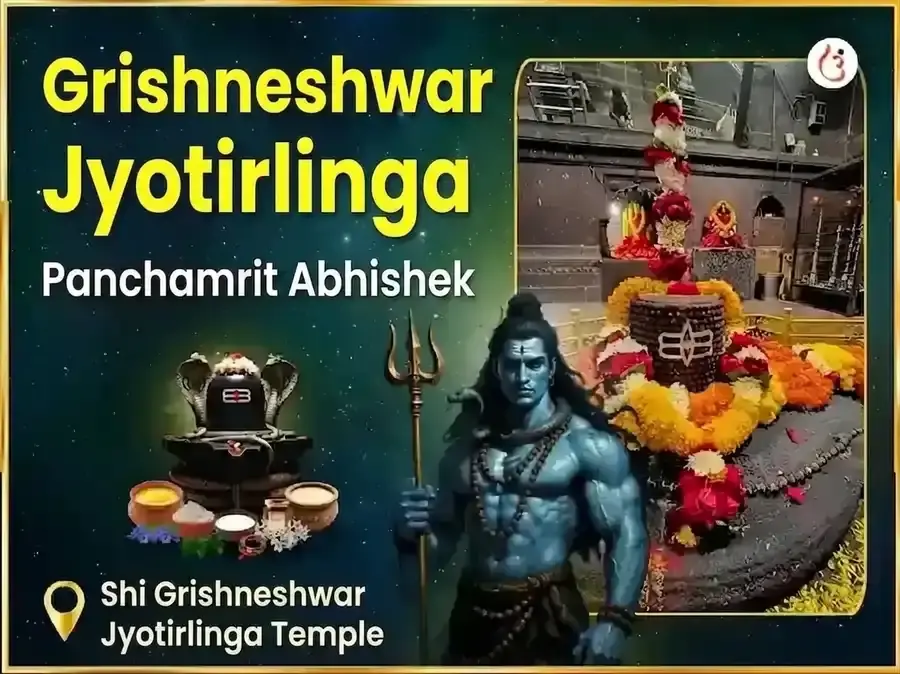
- கிருஷ்ணேஷ்வர் ஜோதிர்லிங்க பஞ்சாமிர்த அபிஷேக மகா பூஜை: 12 புனித ஜோதிர்லிங்கங்களில் ஒன்றான சிவபெருமானின் ஆசீர்வாதங்களைப் பெறுங்கள். இந்த சக்திவாய்ந்த அபிஷேகம் அனைத்து தடைகளையும் நீக்கி, குடும்பத்திற்கு ஒட்டுமொத்த நல்வாழ்வைக் கொண்டுவர உதவுகிறது. தட்சிணை ₹851 முதல் தொடங்குகிறது.
பங்கேற்பது எப்படி:
1. உட்சவ் செயலியில் உங்கள் பூஜை மற்றும் தட்சிணை அடுக்கைத் தேர்ந்தெடுக்கவும்.
2. சங்கல்பப் படிவத்தில் உங்கள் நாமம் (பெயர்) மற்றும் கோத்திரம் (வம்சம்) ஆகியவற்றைப் பூர்த்தி செய்யவும்.
3. கோவிலில் உள்ள பண்டிதர்கள் சங்கல்பத்தில் உங்கள் விவரங்களைக் கூறி பூஜையைச் செய்வார்கள்.
4. பூஜையின் வீடியோ மற்றும் உண்மையான பிரசாதம் உங்கள் வீட்டு வாசலில் வழங்கப்படும்.
நூல் ஆசிரியர்/வரலாறு
உமா மகேஷ்வர ஸ்தோத்திரம் என்பது महान அத்வைத வேதாந்த தத்துவஞானியான ஆதி சங்கராச்சாரியாருக்கு (கி.பி. 8 ஆம் நூற்றாண்டு) உரித்தாக்கப்பட்ட ஒரு புகழ்பெற்ற துதியாகும். செம்மொழி சமஸ்கிருதத்தில் இயற்றப்பட்ட இதன் ஸ்லோகங்கள், தெய்வீக ஆண் (மகேஷ்வரர்) மற்றும் பெண் (உமா) பிரிக்க முடியாத, ஒருங்கிணைந்த யதார்த்தமாகக் காணப்படும் ஆழ்ந்த இருமையற்ற தத்துவத்தை உள்ளடக்கியது. இந்த ஸ்தோத்திரம் ஒரு புராணம் அல்லது இதிஹாசத்திலிருந்து பெறப்படாத ஒரு தனிப்பட்ட பக்திப் படைப்பாகும், ஆனால் சங்கரருக்குக் காரணமான ஸ்தோத்திர இலக்கியத்தின் பரந்த தொகுப்பின் ஒரு முக்கிய பகுதியாகும். பல நூற்றாண்டுகளாக, இது குரு-சிஷ்ய பரம்பரை மூலம் வாய்வழியாகப் பரப்பப்பட்டு, எழுதப்பட்ட தொகுப்புகளில் பாதுகாக்கப்பட்டு, அதன் ஆன்மீக ஆழம் மற்றும் கவிதை அழகுக்காக பக்தர்களால் போற்றப்படுகிறது, இது தினசரி சைவ வழிபாட்டின் ஒரு முக்கிய பகுதியாக அமைகிறது.
ஆதாரங்கள் & குறிப்புகள்
சாஸ்திர ஆதாரம்:
- உமா மகேஷ்வர ஸ்தோத்திரம், பாரம்பரியமாக ஜகத்குரு ஆதி சங்கராச்சாரியாருக்கு (கி.பி. 8 ஆம் நூற்றாண்டு) உரித்தாக்கப்பட்டது.
கோவில் சரிபார்ப்பு:
- திரியுகிநாராயண் கோவில், ருத்ரபிரயாக் (சிவன்-பார்வதியின் தெய்வீக திருமணத் தளமாக முக்கியத்துவம் வாய்ந்தது, உட்சவ்வின் தொடர்புடைய பூஜைகளுக்கான முக்கிய இடம்).
பஞ்சாங்கம் & தேதிகள்:
- உட்சவ் பஞ்சாங்கம் (2026-க்கான பண்டிகை மற்றும் திதி தேதிகள்).
உட்சவ்வில் தொடர்புடைய பூஜைகள்:
- திரியுகிநாராயண் சாப்தாஹிக் குலாப் டான் சேவா
- கிருஷ்ணேஷ்வர் ஜோதிர்லிங்க பஞ்சாமிர்த அபிஷேகம்