5 Sacred Offerings for Lord Hanuman: A Devotee's Guide for Blessings
By Pandit Anand S., Vedic Scholar with 15+ years in Jyotish & temple traditions | Reviewed by Utsav editorial team
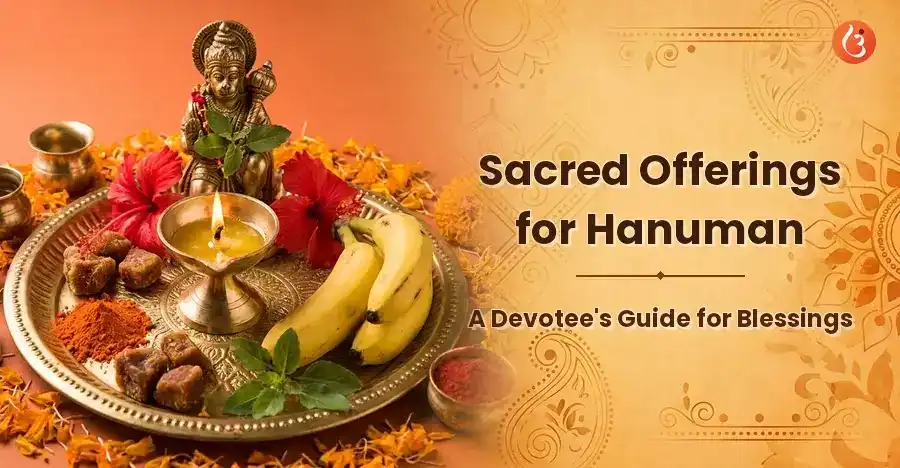
Offering prasad to Lord Hanuman is a powerful way to seek his blessings for strength, courage, and protection. The five most sacred offerings, deeply rooted in scripture, are Sindoor (vermilion), Tulsi (holy basil), Laddoos (especially Besan or Boondi), Jasmine Oil (Chameli ka Tel), and Betel Leaves (Paan). Each one carries a profound spiritual meaning that connects the devotee directly to Hanuman's unwavering devotion to Lord Rama.
Quick Answer
- What: The 5 most beloved offerings for Hanuman are Sindoor, Tulsi, Laddoos, Jasmine Oil, and Betel Leaves.
- Why: Each offering has a scriptural basis, symbolizing devotion, purity, strength, and respect. The story of Hanuman applying Sindoor for Lord Rama's long life is a key legend from the Ramayana.
- When: Tuesdays (Mangalvar) and Saturdays are the most auspicious days to make these offerings.
- How to Participate: You can Participate in Hanuman Pujas on Utsav, where pandits offer these items on your behalf at verified temples.
Table of Contents
- Why Do Devotees Make Offerings to Hanuman?
- 1. Sindoor (Vermilion): The Symbol of Unconditional Devotion
- 2. Tulsi (Holy Basil): A Sacred Offering for Lord Rama's Devotee
- 3. Laddoos (Boondi or Besan): The Sweet Fruit of Bhakti
- 4. Jasmine Oil (Chameli ka Tel): An Offering of Purity
- 5. Betel Leaf (Paan): A Token of Respect and Victory
- How to Participate in Hanuman Pujas on Utsav
- Sources & References
Why Do Devotees Make Offerings to Hanuman?
Making an offering, or naivedyam, is a core part of Hindu worship that establishes a connection between the devotee and the divine. For Lord Hanuman, these offerings aren't just symbolic gestures; they are expressions of love and gratitude. According to various Puranic traditions, presenting something dear to a deity activates their grace. It's a way for you to say, "I honor your qualities and seek your protection."
Hanuman is known as Sankat Mochan (the remover of troubles). The things he loves most are tied directly to his defining quality: his absolute, selfless devotion to Lord Rama. So, when you offer these items, you're not just performing a ritual. You're aligning your own devotion with his, asking for a fraction of his strength and loyalty in your own life.
1. Sindoor (Vermilion): The Symbol of Unconditional Devotion
This is, without a doubt, the most significant offering to Hanuman. The reason comes from a beautiful story in the Ramayana. The Valmiki Ramayana describes Hanuman's deep devotion in the Sundara Kanda. He once saw Mata Sita applying sindoor in her hair parting and asked her why. She explained that it was for the long life and well-being of her husband, Lord Rama.
That's all Hanuman needed to hear.
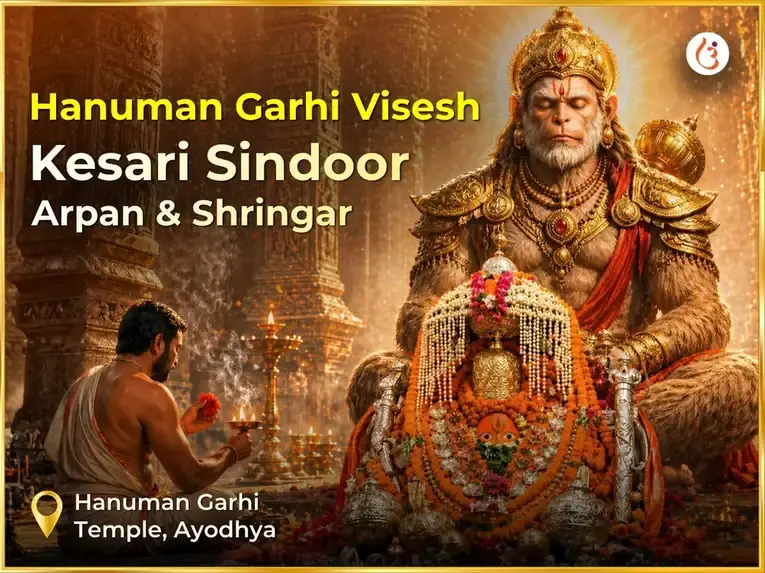
In an act of pure, innocent devotion, he covered his entire body with sindoor to ensure Lord Rama's immortality. When Lord Rama saw him, he was deeply moved and granted a boon: anyone who offers sindoor to Hanuman will have their path cleared of all obstacles. This is why you'll see many Hanuman murtis completely covered in a saffron-colored paste. It's not just paint; it's a testament to his love.
2. Tulsi (Holy Basil): A Sacred Offering for Lord Rama's Devotee
Tulsi is eternally dear to Lord Vishnu, and by extension, to his avatar, Lord Rama. So, why offer it to Hanuman? The logic is simple and beautiful. Nothing makes Hanuman happier than seeing Lord Rama pleased. Verified pandits at temples like the famous Salasar Balaji Dham often explain that offering a Tulsi Maala (garland) to Hanuman is an indirect offering to Rama himself.
By presenting Tulsi, you acknowledge Hanuman's role as the ideal devotee (parama bhakta). You're not just worshipping him; you're celebrating his relationship with his Lord. It's an offering of pure bhakti that resonates deeply with Hanuman's own heart. You can't go wrong with this one.
3. Laddoos (Boondi or Besan): The Sweet Fruit of Bhakti
Sweets are a universal prasad, but for Hanuman, laddoos made from gram flour (Besan) are particularly special. Temple traditions across India confirm this preference. This isn't just a random choice; it's symbolic. These sweets are dense with energy, representing the immense strength (bala) and power that Hanuman commands.
Think about it. Offering these energy-packed sweets is a way of honoring his physical power and the spiritual energy he provides to his devotees. It also represents the sweet results that come from sincere devotion. When you offer laddoos, you're asking for both worldly strength to overcome challenges and the sweet taste of spiritual fulfillment. It’s a powerful two-in-one.
4. Jasmine Oil (Chameli ka Tel): An Offering of Purity
Jasmine oil is essential in Hanuman worship, often mixed with sindoor to create the sacred paste known as Chola. Devotees apply this Chola to the Hanuman murti, especially on Tuesdays. The fragrance of jasmine is considered highly sattvic and pure, believed to attract divine vibrations and create a spiritually charged atmosphere.
According to temple priests, the act of anointing the deity with this fragrant oil is a form of seva (selfless service). It's a humble, physical act of devotion that pleases Hanuman immensely. It signifies the purification of one's own ego and the desire to serve God without expectation. What's more, it's a simple act that anyone can perform to feel instantly connected.
5. Betel Leaf (Paan): A Token of Respect and Victory
Offering a betel leaf, or paan, is a traditional sign of respect and honor in Hindu culture. In the context of Hanuman worship, it holds a special significance. After the victory in Lanka, it's believed that a celebratory paan was offered to Hanuman to honor his immense contribution. Thus, offering a paan symbolizes the successful completion of a task and victory over adversity.
A beeda (a specially prepared paan) offered to Hanuman is a prayer for success in your endeavors. It’s a way of saying, "Just as you ensured Lord Rama's victory, please ensure my success in overcoming my struggles." It's a beautiful, respectful gesture that completes the set of offerings.
How to Participate in Hanuman Pujas on Utsav
For devotees who can't visit a temple, Utsav offers a way to make these sacred offerings. It's a simple and transparent process.
- Select a Puja: Choose a Hanuman puja that includes your desired offering, like the Mangalvar Visesh Sindur & Coconut Daan or the Weekly Laddoo & Paan Ka Beeda Daan.
- Fill the Sankalp Form: After you select your Dakshina, you'll enter your name and gotra. This is the most important step, as the pandit will make the offering in your name.
- Receive Updates: A verified pandit at a renowned temple performs the puja. You'll receive a video of the ritual and, in many cases, authentic temple prasad delivered to your home.
It’s a powerful way to connect with Hanuman's grace, no matter where you are. You can also deepen your devotion by learning and reciting prayers like the Sankat Mochan Hanuman Ashtak.
Sources & References
- Scriptural Authority: The story of Hanuman and Sindoor is a well-known episode, with variations narrated in different recensions of the Ramayana, particularly those elaborating on the events after the return to Ayodhya.
- Temple Traditions: The practice of offering these specific items is upheld by major Hanuman temples, including Salasar Balaji in Rajasthan and Hanuman Garhi in Ayodhya.
- Puranic References: The Skanda Purana and other texts describe the significance of naivedyam (food offerings) and their spiritual benefits.
- Related Pujas on Utsav: Devotees can Participate in the Mangalvar Special Weekly Hanuman Chalisa Paath & Sindoor Chameli Oil Daan Seva to make these offerings.