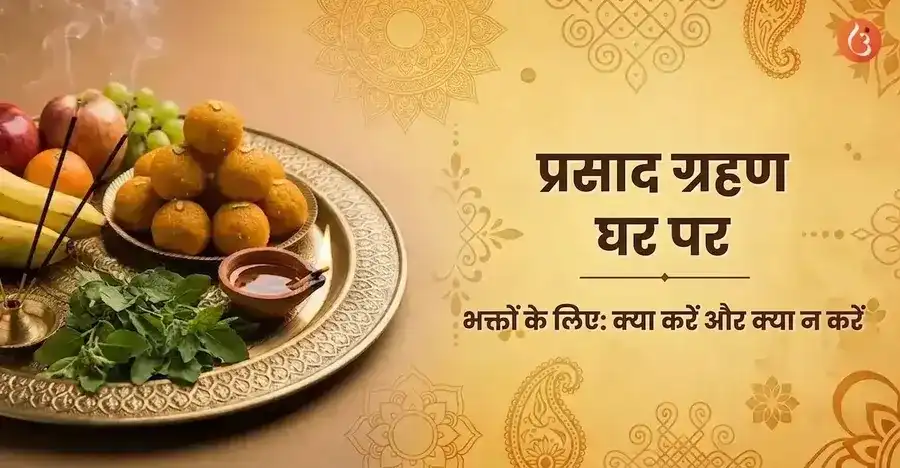
घर पर प्रसाद पाना: भक्तों के लिए पवित्र नियम और निषेध
पंडित रवि एस. द्वारा, 20+ वर्षों के अनुभव वाले मंदिर अनुष्ठान विशेषज्ञ | उत्सव संपादकीय टीम द्वारा समीक्षित
प्रसाद प्राप्त करना आपकी पूजा को पूरा करने का अंतिम, पवित्र चरण है। धर्म शास्त्रों के अनुसार, पहला और सबसे महत्वपूर्ण नियम है इसका एक हिस्सा अत्यंत श्रद्धा के साथ तुरंत ग्रहण करना। यह कार्य देवता के दिव्य आशीर्वाद की आपकी स्वीकृति को दर्शाता है। इसे साधारण भोजन न समझें; यह एक पवित्र प्रसाद है जो आपके मन और आत्मा को शुद्ध करने के लिए है, जो आपको सीधे उस पूजा की दिव्य ऊर्जा से जोड़ता है जिसमें आपने भाग लिया था।
विषय सूची
- प्रसाद क्या है और यह पवित्र क्यों है?
- संपूर्ण मार्गदर्शिका: प्रसाद आने पर क्या करें
- शास्त्रों के अनुसार प्रसाद ग्रहण करने के लाभ
- प्रसाद शिष्टाचार के 11 आवश्यक क्या करें और क्या न करें
- उत्सव आपके द्वार तक पवित्र प्रसाद कैसे पहुंचाता है
- संबंधित धार्मिक प्रथाएं
- स्रोत और संदर्भ
प्रसाद क्या है और यह पवित्र क्यों है?
प्रसाद केवल धन्य भोजन नहीं है। यह एक गहन आध्यात्मिक अवधारणा है, जो भक्तिपूर्ण अर्पण, या नैवेद्य के सिद्धांत पर आधारित है। भगवद् गीता (अध्याय 9, श्लोक 26) में, भगवान कृष्ण समझाते हैं कि वे कोई भी भेंट—चाहे वह पत्ता, फूल, फल या जल हो—स्वीकार करते हैं, यदि वह शुद्ध भक्ति के साथ दी गई हो। जब देवता इस भेंट को स्वीकार करते हैं, तो भोजन पवित्र हो जाता है और दिव्य कृपा से भर जाता है। यह अब भौतिक पदार्थ नहीं है; यह आशीर्वाद का एक भौतिक माध्यम है। इस पवित्र अवस्था में, इसे देवता का उच्छिष्ट (दिव्य अवशेष) माना जाता है, जिसे प्राप्त करना किसी भी भक्त के लिए एक बड़ा सम्मान है।
तो, इसका आपके लिए क्या मतलब है? जब आप प्रसाद ग्रहण करते हैं, तो आप देवता की दिव्य ऊर्जा को आत्मसात कर रहे होते हैं। यह एक शक्तिशाली क्रिया है जो मन, शरीर और आत्मा को शुद्ध करती है। आप केवल खा नहीं रहे हैं; आप भक्ति के उस पवित्र चक्र को पूरा कर रहे हैं जो आपके संकल्प (व्रत) से शुरू हुआ था। यह एक अत्यंत व्यक्तिगत और शक्तिशाली अनुभव है।
संपूर्ण मार्गदर्शिका: प्रसाद आने पर क्या करें
जब उत्सव के एक सत्यापित मंदिर से वह पैकेज आता है, तो आपको सबसे पहले क्या करना चाहिए? हमारे अनुभवी पंडित इस बात पर जोर देते हैं कि इन पहले कुछ क्षणों में आपके कार्य आशीर्वाद का सम्मान करने के लिए महत्वपूर्ण हैं। यह वास्तव में सरल है। यहाँ चरण-दर-चरण प्रक्रिया है।
चरण 1: श्रद्धा के साथ प्राप्त करें
बॉक्स खोलने से पहले ही, इसे सम्मान के साथ संभालें। यदि संभव हो, तो पहले अपने हाथ धो लें। पैकेज को हमेशा अपने दाहिने हाथ से स्वीकार करें। इसे सिर्फ डाइनिंग टेबल या किचन काउंटर पर न छोड़ें। सबसे अच्छा तरीका यह है कि इसे खोलने से पहले अपने पूजा कक्ष में या एक साफ, समर्पित शेल्फ पर रखें। यह छोटा सा कार्य सही इरादा तय करता है।
चरण 2: तुरंत एक हिस्सा ग्रहण करें
यह सबसे महत्वपूर्ण कदम है। प्रतीक्षा न करें। पैकेज खोलने के बाद, परिवार के प्रत्येक सदस्य को तुरंत एक छोटा हिस्सा ग्रहण करना चाहिए। आदर्श रूप से यह पहली चीज होनी चाहिए जिसे आप खाते हैं, इसे अपने नियमित भोजन के साथ नहीं मिलाना चाहिए (जो इसे जूठा या अपवित्र बना देगा)। यह तत्काल सेवन, दिए जा रहे दिव्य आशीर्वाद के लिए आपकी "हाँ" है।
चरण 3: आशीर्वाद साझा करें
प्रसाद की शक्ति साझा करने पर कई गुना बढ़ जाती है। यह सनातन धर्म का एक मूल सिद्धांत है। एक बार जब आपका परिवार इसे ग्रहण कर ले, तो शेष प्रसाद को दोस्तों, पड़ोसियों और किसी भी व्यक्ति के साथ वितरित करें जिसके साथ आप देवता की कृपा साझा करना चाहते हैं। आप सिर्फ भोजन नहीं दे रहे हैं; आप सकारात्मक दिव्य स्पंदन फैला रहे हैं। यह आध्यात्मिक उदारता का एक सुंदर कार्य है।
चरण 4: उचित भंडारण और रखरखाव
आपको प्रसाद को अन्य भोजन से अलग मानना होगा। सूखी वस्तुएं जैसे मिश्री, मेवे, या मुरमुरे को कई दिनों तक एक साफ, एयरटाइट कंटेनर में संग्रहीत किया जा सकता है। इस कंटेनर को एक पवित्र स्थान पर, अपने रोजमर्रा के स्नैक्स से अलग रखें। जल्दी खराब होने वाले प्रसाद जैसे फल या दूध आधारित मिठाई (मिठाई) को एक या दो दिन के भीतर खा लेना चाहिए। मुख्य बात यह है कि इसे कभी खराब न होने दें।
शास्त्रों के अनुसार प्रसाद ग्रहण करने के लाभ
प्रसाद ग्रहण करने पर इतना जोर क्यों दिया जाता है? ऐसा इसलिए है क्योंकि इसके लाभ गहरे हैं, जैसा कि अग्नि पुराण जैसे ग्रंथों में वर्णित है। यह सिर्फ एक परंपरा नहीं है; यह आपकी भलाई के लिए एक आध्यात्मिक तकनीक है। यह पवित्र भोजन एक सेतु का काम करता है, जो भक्त के भौतिक शरीर को देवता की सूक्ष्म, दिव्य ऊर्जा से जोड़ता है। इसके प्रभाव वास्तविक हैं।
यहाँ वे प्रमुख लाभ दिए गए हैं जिन्हें आप अपने जीवन में आमंत्रित करते हैं:
- आध्यात्मिक शुद्धि: माना जाता है कि प्रसाद आपकी चेतना को शुद्ध करता है और नकारात्मक कर्मों को धो देता है। यह एक आध्यात्मिक डिटॉक्स है।
- दिव्य आशीर्वाद: यह देवता की कृपा का सीधा वाहक है, जो भक्त और उनके परिवार को स्वास्थ्य, शांति और समृद्धि प्रदान करता है।
- भक्ति को मजबूत करता है (भक्ति): प्रसाद प्राप्त करने और ग्रहण करने का कार्य परमात्मा के साथ आपके व्यक्तिगत संबंध को गहरा करता है। यह आपकी आस्था को मूर्त बनाता है।
- सकारात्मक स्पंदन: यह आपके घर को सात्विक (शुद्ध) ऊर्जा से भर देता है, जिससे सद्भाव का वातावरण बनता है और नकारात्मकता दूर होती है।
प्रसाद शिष्टाचार के 11 आवश्यक क्या करें और क्या न करें
सही शिष्टाचार का पालन करना कठोर नियमों के बारे में नहीं है; यह आशीर्वाद की पवित्रता बनाए रखने के बारे में है। धर्म शास्त्र स्पष्ट दिशानिर्देश प्रदान करते हैं जिनका पालन करना सरल है। इसे एक दिव्य उपहार के प्रति सम्मान दिखाने के रूप में सोचें।
यहाँ एक त्वरित मार्गदर्शिका है कि आपको क्या करना चाहिए और क्या नहीं करना चाहिए:
क्या करें (जो आपको अवश्य करना चाहिए) | क्या न करें (जिससे बचना चाहिए) |
|---|---|
1. प्रसाद देने या लेने के लिए हमेशा अपने दाहिने हाथ का उपयोग करें। | 6. इसे कभी भी अपने पैरों को छूने या जमीन पर गिरने न दें। |
2. इसे प्राप्त करने के तुरंत बाद ग्रहण करें। | 7. जब आपको प्रसाद दिया जाए तो उसे कभी मना न करें। |
3. इसे परिवार और दोस्तों के साथ उदारतापूर्वक साझा करें। | 8. इसे नियमित भोजन या बचे हुए भोजन (जूठा) के साथ न मिलाएं। |
4. स्वच्छता और श्रद्धापूर्ण दृष्टिकोण बनाए रखें। | 9. अवांछित प्रसाद को कभी भी कूड़ेदान में न फेंकें। |
5. यदि संभव हो तो सम्मान के प्रतीक के रूप में अपना सिर ढकें। | 10. टीवी देखते या काम करते समय इसे बिना सोचे-समझे न खाएं। |
11. इसके स्वाद या रूप की कभी आलोचना न करें। |
क्या होगा यदि प्रसाद खराब हो जाए या आप उसे ग्रहण नहीं कर सकते? इसका निपटान करने का उचित तरीका यह है कि इसे किसी पौधे के पास, आदर्श रूप से एक पेड़ के नीचे, या पानी के एक साफ, बहते हुए स्रोत में डाल दें।
उत्सव आपके द्वार तक पवित्र प्रसाद कैसे पहुंचाता है
उत्सव के माध्यम से पूजा में भाग लेने वाले 5 लाख+ भक्तों के लिए, घर पर प्रसाद प्राप्त करना आध्यात्मिक चक्र को पूरा करता है। यह वह तरीका है जिससे हम आपके और मंदिर के बीच की दूरी को पाटते हैं। आप सिर्फ पूजा नहीं देखते; आप इसका हिस्सा बन जाते हैं। यह प्रक्रिया सरल और पवित्र है।
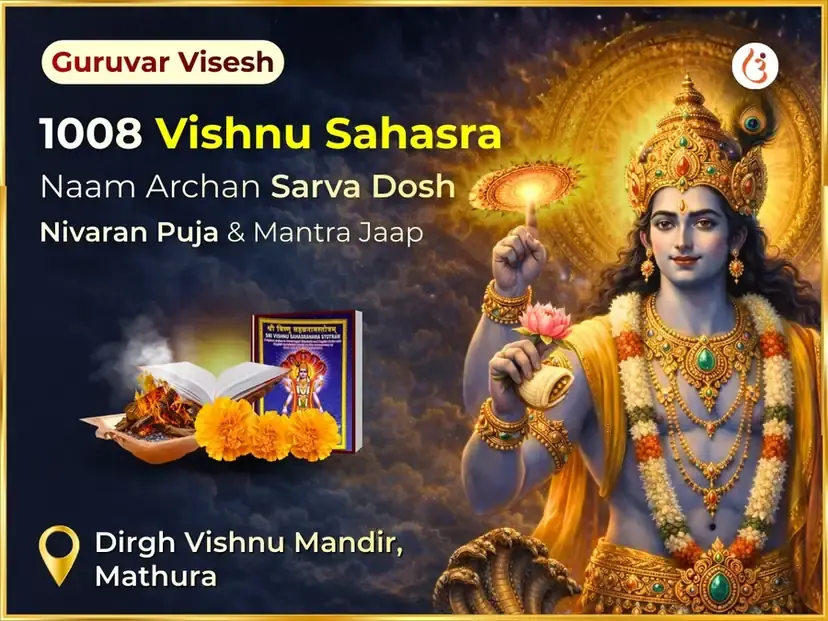
जब आप किसी पूजा में भाग लेते हैं, तो मथुरा में दीर्घ विष्णु मंदिर जैसे मंदिरों में हमारे सत्यापित पंडित संकल्प में आपके नाम और गोत्र का जाप करते हैं। उसी अनुष्ठान का प्रसाद—विशेष रूप से आपके लिए आशीर्वादित—फिर स्वच्छता से पैक करके आपके घर भेजा जाता है। यह कोई भी प्रसाद नहीं है; यह आपका प्रसाद है। यह असली है।
- दीर्घ विष्णु मंदिर में विष्णु सहस्रनाम पूजा में भाग लें — दक्षिणा ₹851 से
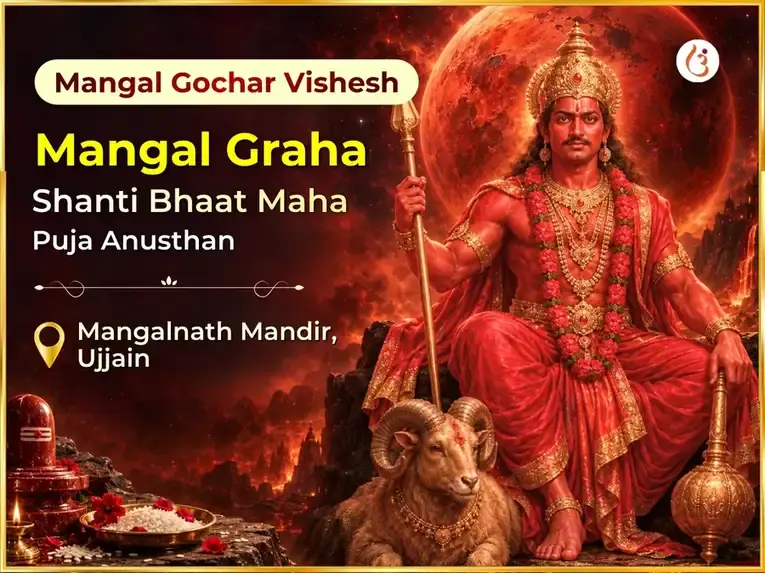
- मंगलनाथ मंदिर में मंगल ग्रह शांति पूजा में भाग लें — दक्षिणा ₹501 से
संबंधित धार्मिक प्रथाएं
प्रसाद को समझना एक बड़ी भक्ति साधना का हिस्सा है। जैसे-जैसे आप अपना संबंध गहरा करते हैं, आपको ये मार्गदर्शिकाएँ सहायक लग सकती हैं। अर्पण और ग्रहण करने के कई सिद्धांत हिंदू रीति-रिवाजों में सार्वभौमिक हैं।
- हमारी मार्गदर्शिका में प्रक्रिया के बारे में और जानें: घर पर ऑनलाइन प्रसाद कैसे प्राप्त करें।
- स्वयं प्रसाद चढ़ाने के बारे में जानें: घर पर भगवान गणेश को अर्पित करने योग्य वस्तुएं।
संत/देवता रचना
ओम नमो भगवते वासुदेवाय (द्वादशाक्षरी मंत्र)
ॐ नमो भगवते वासुदेवाय
Om Namo Bhagavate Vāsudevāya
यह श्रद्धेय द्वादशाक्षरी मंत्र है, बारह अक्षरों का यह आह्वान वैष्णव परंपराओं का केंद्र है और श्रीमद्भागवतम् में प्रमुखता से वर्णित है। यह भगवान वासुदेव (विष्णु का एक अवतार, या स्वयं कृष्ण) को एक गहरा प्रणाम है, जो संपूर्ण अस्तित्व में व्याप्त दिव्य चेतना हैं। मंत्र का अनुवाद है, "मैं परम भगवान को नमन करता हूं, जो सभी प्राणियों में निवास करते हैं।" इसका जाप पूर्ण समर्पण (शरणागति) का एक कार्य है और आध्यात्मिक शुद्धि के लिए एक शक्तिशाली उपकरण है, जो न केवल भौतिक आशीर्वाद बल्कि संसार के चक्र से अंतिम मुक्ति (मुक्ति) की भी कामना करता है। इसे अक्सर परम मुक्ति-मंत्र कहा जाता है।
समर्पित आध्यात्मिक अभ्यास (साधना) के लिए, मंत्र का पारंपरिक रूप से 108 बार जाप किया जाता है, आमतौर पर तुलसी माला का उपयोग करके, जो भगवान विष्णु को पवित्र है। यह अनुशासित पुनरावृत्ति, जिसे जप के रूप में जाना जाता है, मन को स्थिर करने, हृदय को भक्ति के लिए खोलने और मंत्र के दिव्य स्पंदनों को आत्मसात करने में मदद करता है।
पाठ के लिए सबसे आध्यात्मिक रूप से शक्तिशाली समय ब्रह्म मुहूर्त के दौरान होता है, जो सूर्योदय से लगभग 90 मिनट पहले का शुभ समय है। गुरुवार (गुरुवार), भगवान विष्णु से जुड़े होने के कारण, और एकादशी का पवित्र दिन इस अभ्यास के लिए विशेष रूप से शक्तिशाली माना जाता है, जो इसके आध्यात्मिक लाभों को बढ़ाता है और भक्त के परमात्मा के साथ संबंध को गहरा करता है।
स्रोत और संदर्भ
- शास्त्रीय अधिकार: भगवद् गीता (अध्याय 9), अग्नि पुराण
- धार्मिक ग्रंथ: नैवेद्य और अनुष्ठानिक पवित्रता पर विभिन्न धर्म शास्त्र।
- उत्सव पर संबंधित पूजा: विष्णु सहस्रनाम पूजा