हि
हि
यह लेख अभी इस भाषा में उपलब्ध नहीं है, इसलिए इसे अंग्रेज़ी में दिखाया जा रहा है।
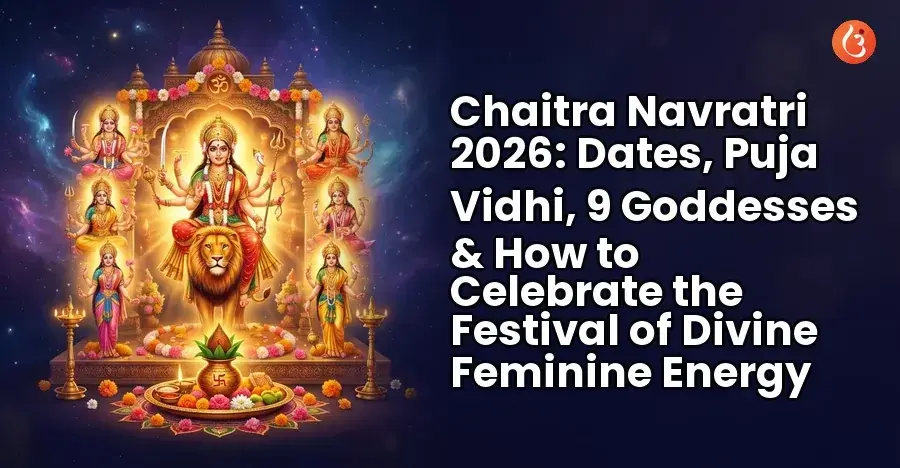
Chaitra Navratri 2026 begins on March 19 and concludes on March 27 with Ram Navami - nine sacred days when the entire universe pulses with the energy of Maa Durga. Whether you observe a full fast, perform daily aarti, or simply light a diya at home, Navratri is your invitation to begin again. This guide covers everything you need to know: dates, muhurats, the nine Goddess forms, puja vidhi, and how you can offer puja even if you're miles away from a temple.
Nine days, nine Goddesses, one sacred journey - Chaitra Navratri 2026 begins March 19.
Navratri means "nine nights" - and Chaitra Navratri, celebrated in the Hindu month of Chaitra (March–April), is considered the most spiritually potent of the four Navratris observed each year. It marks the beginning of the Hindu New Year (Vikram Samvat 2083 in 2026) and honors the nine divine forms of Goddess Durga, collectively known as Navadurga.
Unlike the Sharad Navratri in October - which is widely celebrated with dandiya and garba - Chaitra Navratri is quieter, more inward. It is a time for spiritual renewal, fasting, and deep devotion. The festival also culminates in Ram Navami, the birth anniversary of Lord Rama, making these nine days doubly auspicious.
This year, Chaitra Navratri spans from Thursday, March 19 to Friday, March 27, 2026. The Pratipada Tithi (first day) begins at 6:52 AM on March 19 - making the early morning the most auspicious time for Ghatasthapana.
| Day | Date | Goddess | Colour |
|---|---|---|---|
| Day 1 | March 19 | Maa Shailputri | Yellow |
| Day 2 | March 20 | Maa Brahmacharini | Green |
| Day 3 | March 21 | Maa Chandraghanta | Grey |
| Day 4 | March 22 | Maa Kushmanda | Orange |
| Day 5 | March 23 | Maa Skandamata | White |
| Day 6 | March 24 | Maa Katyayani | Red |
| Day 7 | March 25 | Maa Kalaratri | Royal Blue |
| Day 8 | March 26 | Maa Mahagauri | Pink |
| Day 9 | March 27 | Maa Siddhidatri + Ram Navami | Purple |
Ghatasthapana is the first and most important ritual of Navratri. It literally means "establishing the vessel" - a clay or copper kalash filled with sacred water is placed on a bed of soil sown with barley seeds, symbolically inviting Goddess Durga into your home for the nine days.
Perform Ghatasthapana on March 19, 2026 during the morning muhurat, soon after sunrise. Place the kalash facing east, offer durva grass, a coconut wrapped in red cloth, fresh flowers, and light a lamp. Recite the Devi Stuti and invoke the Goddess with a pure, focused mind. Water the barley seeds daily - by the ninth day, they sprout as a symbol of divine blessings taking root in your life.

Ghatasthapana - the sacred kalash that invites Maa Durga into your home for nine days.
Each day of Navratri is dedicated to a different form of the Goddess. Together, the nine forms represent a complete spiritual journey - from grounding and courage to inner stillness and ultimate liberation.

The nine forms of Maa Durga (Navadurga) - each a complete universe of energy and grace.
Shailputri means "Daughter of the Mountain." She rides a bull, holds a trident and lotus, and represents unshakeable strength and purity. Worshipping her on Day 1 sets a firm spiritual foundation for the days ahead. Wear yellow - the color of wisdom and new beginnings.
Brahmacharini embodies penance, dedication, and spiritual discipline. She walks barefoot, carrying a rosary and a kamandal (water pot). Her story is one of fierce devotion - she undertook intense tapas to win Lord Shiva as her husband. Meditate on her energy on Day 2 and recommit to your spiritual practice.
Chandraghanta wears a crescent moon on her forehead and rides a tiger. She is the destroyer of demons and the giver of grace. Her energy helps you face your own inner fears. Grey is her color - the hue of balance between darkness and light.
Kushmanda is believed to have created the universe with her divine smile. She rides a lion and is associated with the sun's energy. Offer orange flowers on Day 4, symbolizing warmth, vitality, and creativity awakening within you.
Skandamata is the mother of Lord Kartikeya (Skanda) and represents unconditional love and nurturing power. She is depicted holding her son while seated on a lion. White is her color - pure, boundless maternal love.
Katyayani is one of the most fierce forms of Durga, born to defeat the demon Mahishasura. She is worshipped especially by those seeking courage, justice, and the strength to overcome obstacles. Red is her color - the fire of action and transformation.
Kalaratri has a dark complexion and wild, disheveled hair. She looks fearsome - but she destroys all darkness, ego, and ignorance. Her energy clears the path for light. Royal blue is her color: depth, clarity, and the vast night sky before dawn.
Mahagauri is radiant white, riding a white bull, dressed in white. She represents purity, peace, and the grace that follows intense spiritual effort. Ashtami is also the day for Kanya Puja - the sacred worship of young girls as living forms of the Goddess. Pink is her color: compassion and grace.
Siddhidatri sits on a lotus and grants all eight supernatural siddhis (divine powers) to her devotees. She is the culmination of the entire Navratri journey. Day 9 also falls on Ram Navami this year - a doubly blessed day to close your nine-day practice. Wear purple: royalty, spirituality, and fulfillment.
You don't need an elaborate setup to connect with the Goddess. Here's a simple daily puja routine you can follow throughout the nine days:
For those observing a fast, sattvic foods like sabudana khichdi, singhare ki puri, kuttu atta rotis, fruits, and dairy are traditionally consumed. Avoid onion, garlic, non-vegetarian food, and alcohol throughout the nine days.

A daily aarti - morning and evening - is the heart of Navratri devotion at home.
Many devotees wish to offer a special puja at a famous temple - at Vaishno Devi, Kamakhya, or one of the 400+ Shakti temples across India - but can't always travel. That's where Utsav App comes in. You can book a personalised puja at your chosen temple, have it performed by a qualified panditji on your behalf, and receive prasad directly at your doorstep - wherever you are in India.
This Navratri, let distance not be a barrier to your devotion. Book your Navratri puja on Utsav App and receive the Goddess's blessings at home - complete with darshan video and temple prasad.

Receive authentic temple prasad at your doorstep this Navratri - book your puja on Utsav App.
On Ashtami (March 26) and Navami (March 27), perform Kanya Puja - invite 9 young girls (below puberty) to your home, wash their feet, offer them food, gifts, and red chunri, and receive their blessings. In Hindu tradition, these girls are considered living manifestations of Maa Durga. It is one of the most moving and spiritually powerful rituals of Navratri.
This year, Chaitra Navratri ends on Ram Navami - the birth anniversary of Lord Rama. It is a rare and auspicious convergence of Shakti (divine feminine) and Vishnu (divine masculine) energy. Conclude your nine-day practice with a Ram Navami puja, read the Ramcharitmanas, and offer sweets made of jaggery and wheat. The energy of this day carries the blessings of both the Goddess and Lord Rama into your life.
Chaitra Navratri is not just a festival - it is a nine-day retreat within your own life. Each day peels away a layer: fear, ego, distraction, doubt. By Day 9, if you've shown up with sincerity, you'll feel lighter, clearer, and more connected to something larger than yourself.
Whether you're fasting, praying, visiting temples, or simply wearing the color of the day - do it with awareness. The Goddess doesn't need grand gestures. She needs your presence.
Chaitra Navratri 2026 begins March 19. If you'd like to offer a puja at a sacred temple this Navratri, visit Utsav App and book your personalized puja today. May Maa Durga's blessings fill your home with joy, strength, and peace. 🙏
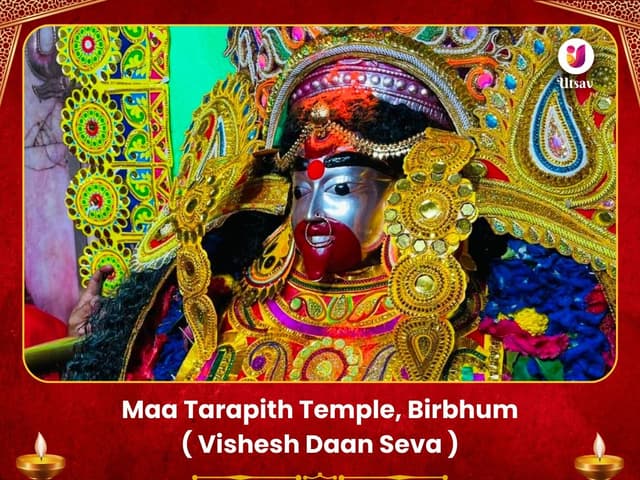

तारापीठ मंदिर, बीरभूम
गुरु - 03 दिस॰ 2026 - गुरुवार विशेष