Pitru Paksha 2025 – Significance, Rituals & Importance of Shraddha
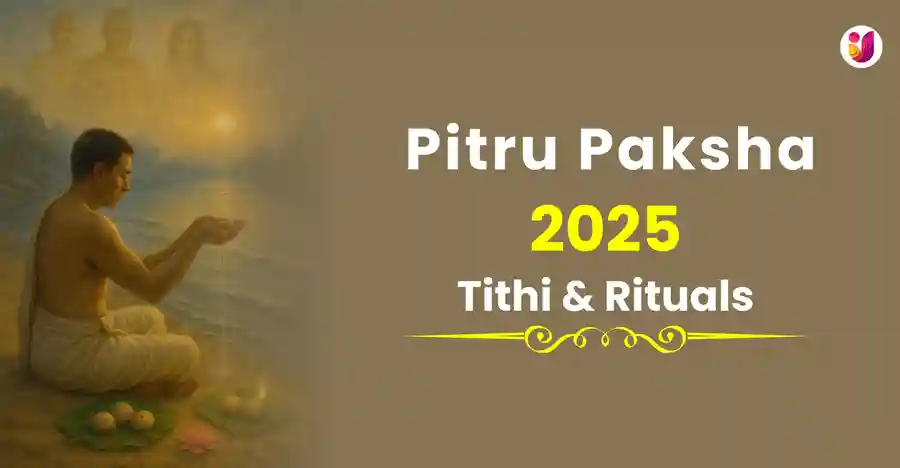
Hinduism gives great importance to honoring our ancestors and remembering those who came before us. Pitru Paksha, also known as Shradh Paksha or Kanagat, is a special period in the Hindu lunar calendar dedicated to paying respect to our forefathers. In 2025, Pitru Paksha will be observed with deep devotion, as families across India perform rituals and prayers to seek blessings from their ancestors for peace, prosperity, and happiness.
This two-week-long observance is not just a religious tradition, but also a reminder of our eternal bond with our ancestors. By performing Shradh rituals, Hindus believe they can bring peace to the souls of their departed loved ones and receive their blessings in return.
When is Pitru Paksha 2025?
Pitru Paksha is observed during the Krishna Paksha (waning phase of the moon) of the month of Ashwin, according to the Hindu calendar. In 2025, Pitru Paksha will begin on 7th September 2025 (Sunday) and end on 21st September 2025 (Sunday).
This 15-day period is considered highly sacred for offering food, water, and prayers to ancestors. Each day is dedicated to performing Shradh for family members who passed away on that specific lunar date (tithi).
The Significance of Pitru Paksha
Pitru Paksha has a deep spiritual and cultural meaning in Hindu tradition. According to the scriptures:
Ancestors (Pitrus) visit the Earth during this time to bless their descendants.
By performing Shradh rituals and offering food (pind daan and tarpan), their souls find peace and liberation (moksha).
It is believed that ignoring these rituals can lead to Pitru Dosha, which may bring obstacles, unrest, or lack of prosperity in the family.
Performing Shradh is considered a duty (dharma) of every child towards their forefathers, ensuring continuity of blessings across generations.
Story Behind Pitru Paksha
The origin of Pitru Paksha is explained in the great epic Mahabharata. According to legend, when Karna, the mighty warrior, left his body and reached heaven, he was served gold and jewels instead of food. Surprised, Karna asked why he was being denied meals.
The celestial beings explained that though he had donated wealth, land, and money generously throughout his life, he had never offered food or water to his ancestors.
Realizing this, Karna prayed to Lord Indra, who allowed him to return to Earth for 15 days to make offerings of food and water to his ancestors. This period became known as Pitru Paksha.
This story highlights why food offerings are considered the most important part of this observance.
Rituals and Traditions of Pitru Paksha
During Pitru Paksha, families perform rituals known as Shradh to honor their ancestors. Some of the key practices include:
1. Shradh Ceremony
Shradh is performed on the death tithi of the departed soul.
Food is prepared with devotion, and offerings are made to Brahmins and priests.
Pind Daan (offering of rice balls mixed with sesame and barley) is performed to bring peace to the departed souls.
2. Tarpan (Water Offering)
Water mixed with sesame seeds and kusa grass is offered to ancestors.
This symbolizes quenching the thirst of the souls and ensuring their comfort in the afterlife.
3. Charity and Feeding the Needy
Feeding Brahmins, cows, and the poor is considered very auspicious during Pitru Paksha.
Donating clothes, grains, and other essentials is also a common practice.
4. Fasting and Devotion
Many devotees keep partial fasts, avoiding certain foods like onion, garlic, and non-vegetarian items.
The entire period is observed with purity, humility, and gratitude.
Why Pitru Paksha is Important for Families
Pitru Paksha is more than just a ritual – it is an emotional and spiritual connection between the past, present, and future generations.
It reminds us of the sacrifices and efforts made by our ancestors for the wellbeing of the family.
By observing Pitru Paksha, devotees ensure peace in the family and seek prosperity for future generations.
Ancestors’ blessings are considered vital for growth, harmony, and success in life.
Conclusion
Pitru Paksha 2025 is a sacred time to remember and honor our ancestors with love and gratitude. By performing Shradh, tarpan, and charity, devotees not only bring peace to their departed souls but also strengthen the bond of blessings within the family.
This period reminds us that life is a cycle, and our existence is deeply rooted in the legacy of those who came before us. As we perform these rituals with devotion, we not only bring satisfaction to our ancestors but also invite divine grace, happiness, and prosperity into our lives.