Lakshmi Aarti (Om Jai Lakshmi Mata): Lyrics, Meaning & Benefits
By Utsav Gyan Team | Reviewed by Utsav editorial team
The Lakshmi Aarti (Om Jai Lakshmi Mata) is a revered devotional hymn sung to honor Maa Lakshmi, the goddess of wealth, prosperity and auspiciousness. Devotees traditionally chant this soothing prayer at the conclusion of Lakshmi Puja, particularly on Fridays and during the festival of Diwali, to seek her divine grace for both material abundance and spiritual peace.
According to sacred scriptures like the Vishnu Purana, she is the eternal consort of Lord Vishnu, born from the churning of the cosmic ocean. Singing her aarti with a pure heart is believed to invite her positive energy into the home, bringing harmony and removing all traces of negativity.

Table of Contents
- What Are the Complete Lyrics of the Lakshmi Aarti (Om Jai Lakshmi Mata)?
- What Is the Verse-by-Verse Meaning of the Lakshmi Aarti?
- What Is the Story Behind the Lakshmi Aarti?
- What Are the Benefits of Singing the Lakshmi Aarti?
- How Do You Perform the Lakshmi Aarti at Home (Step-by-Step Vidhi)?
- When Are the Best Days to Sing the Lakshmi Aarti?
- Who Is Maa Lakshmi?
- Participate in Lakshmi Pujas on Utsav
- Who Wrote the Lakshmi Aarti and Where Does It Come From?
- Sources & References
Quick Answer: Lakshmi Aarti
- What: A traditional devotional hymn (Aarti) dedicated to Maa Lakshmi, the goddess of wealth and prosperity.
- When to Chant: Daily after puja, especially on Fridays, Diwali night, and Purnima (full moon) days.
- Why: To seek her blessings for happiness, spiritual growth and harmony, as described in the aarti texts.
- How to Participate: You can participate in special Friday daan sevas at verified Mahalakshmi temples through Utsav.
What Are the Complete Lyrics of the Lakshmi Aarti (Om Jai Lakshmi Mata)?
The "Om Jai Lakshmi Mata" aarti is recited in homes and temples across India, bringing a sense of deep calm and devotion. The beautiful lyrics praise her many forms and the grace she bestows upon the universe. Here is the full text for you to read and sing along during your daily worship.
ॐ जय लक्ष्मी माता, मैया जय लक्ष्मी माता।
तुमको निशदिन सेवत, हर विष्णु विधाता॥उमा, रमा, ब्रह्माणी, तुम ही जग-माता।
सूर्य-चन्द्रमा ध्यावत, नारद ऋषि गाता॥
ॐ जय लक्ष्मी माता॥दुर्गा रूप निरंजनी, सुख सम्पत्ति दाता।
जो कोई तुमको ध्यावत, ऋद्धि-सिद्धि धन पाता॥
ॐ जय लक्ष्मी माता॥तुम पाताल-निवासिनि, तुम ही शुभदाता।
कर्म-प्रभाव-प्रकाशिनी, भवनिधि की त्राता॥
ॐ जय लक्ष्मी माता॥जिस घर में तुम रहतीं, सब सद्गुण आता।
सब सम्भव हो जाता, मन नहीं घबराता॥
ॐ जय लक्ष्मी माता॥तुम बिन यज्ञ न होते, वस्त्र न कोई पाता।
खान-पान का वैभव, सब तुमसे आता॥
ॐ जय लक्ष्मी माता॥शुभ-गुण मन्दिर सुन्दर, क्षीरोदधि-जाता।
रत्न चतुर्दश तुम बिन, कोई नहीं पाता॥
ॐ जय लक्ष्मी माता॥महालक्ष्मीजी की आरती, जो कोई नर गाता।
उर आनन्द समाता, पाप उतर जाता॥
ॐ जय लक्ष्मी माता॥
Lakshmi Aarti Lyrics in English (Transliteration)
Om jai Lakshmi Mata, maiya jai Lakshmi Mata
Tumko nishdin sevat, Har Vishnu VidhataUma, Rama, Brahmani, tum hi jag mata
Surya Chandrama dhyavat, Narad rishi gata
Om jai Lakshmi MataDurga roop niranjani, sukh sampatti data
Jo koi tumko dhyavat, riddhi siddhi dhan pata
Om jai Lakshmi MataTum patal nivasini, tum hi shubh data
Karm prabhav prakashini, bhavnidhi ki trata
Om jai Lakshmi MataJis ghar mein tum rahtin, sab sadgun aata
Sab sambhav ho jata, man nahin ghabrata
Om jai Lakshmi MataTum bin yagya na hote, vastra na koi pata
Khan pan ka vaibhav, sab tumse aata
Om jai Lakshmi MataShubh gun mandir sundar, ksheerodadhi jata
Ratna chaturdash tum bin, koi nahin pata
Om jai Lakshmi MataMahalakshmiji ki aarti, jo koi nar gata
Ur anand samata, paap utar jata
Om jai Lakshmi Mata
What Is the Verse-by-Verse Meaning of the Lakshmi Aarti?
Verse 1
ॐ जय लक्ष्मी माता, मैया जय लक्ष्मी माता।
तुमको निशदिन सेवत, हर विष्णु विधाता॥
Glory to you, Mother Lakshmi. Lord Shiva, Lord Vishnu, and Lord Brahma worship you every day.
Verse 2
उमा, रमा, ब्रह्माणी, तुम ही जग-माता।
सूर्य-चन्द्रमा ध्यावत, नारद ऋषि गाता॥
You are the mother of the universe, taking the forms of Goddesses Parvati, Lakshmi, and Saraswati. The sun and moon meditate on you, and sage Narada sings your praises.
Verse 3
दुर्गा रूप निरंजनी, सुख सम्पत्ति दाता।
जो कोई तुमको ध्यावत, ऋद्धि-सिद्धि धन पाता॥
In your flawless form as Goddess Durga, you grant happiness and wealth. Whoever meditates on you receives prosperity, success, and riches.
Verse 4
तुम पाताल-निवासिनि, तुम ही शुभदाता।
कर्म-प्रभाव-प्रकाशिनी, भवनिधि की त्राता॥
You reside in the netherworld and are the giver of all things auspicious. You illuminate the results of our karma and save us from the ocean of worldly existence.
Verse 5
जिस घर में तुम रहतीं, सब सद्गुण आता।
सब सम्भव हो जाता, मन नहीं घबराता॥
The house where you reside is filled with all good virtues. Everything becomes possible, and the mind is freed from fear.
Verse 6
तुम बिन यज्ञ न होते, वस्त्र न कोई पाता।
खान-पान का वैभव, सब तुमसे आता॥
Without you, no sacred fire rituals can take place, and no one would get clothes. All the luxury of food and drink comes only from you.
Verse 7
शुभ-गुण मन्दिर सुन्दर, क्षीरोदधि-जाता।
रत्न चतुर्दश तुम बिन, कोई नहीं पाता॥
You are the beautiful temple of auspicious qualities, born from the ocean of milk. Without you, no one could have obtained the fourteen precious gems.
Verse 8
महालक्ष्मीजी की आरती, जो कोई नर गाता।
उर आनन्द समाता, पाप उतर जाता॥
Whoever sings this aarti of Goddess Mahalakshmi is filled with inner joy. All their sins are completely washed away.
What Is the Story Behind the Lakshmi Aarti?
The Lakshmi Aarti describes the divine glory of Maa Lakshmi and her origin from the Samudra Manthan (churning of the cosmic ocean). As mentioned in the Srimad Bhagavata Purana, Canto 8 and Vishnu Purana, she emerged from the Kshirsagar (ocean of milk) along with the fourteen precious jewels (ratna chaturdash). This cosmic event is beautifully remembered in the aarti line "Ratna chaturdash tum bin, koi nahi pata".
The hymn also highlights her universal nature. It addresses her as Uma (Parvati), Rama (Lakshmi), and Brahmani (Saraswati), showing that she represents the complete divine feminine energy. The lyrics mention that even the holy trinity - Har (Shiva), Vishnu and Vidhata (Brahma) - serve her every day. You can explore more about her divine forms by reading the Shri Mahalakshmi Ashtakam.
What Are the Benefits of Singing the Lakshmi Aarti?
Devotees believe that reciting this aarti with unwavering faith brings numerous blessings. The final verse of the aarti itself says that whoever sings it experiences inner joy and is freed from sins.
- Attracting Prosperity: The aarti calls her "Sukh sampatti data" (giver of happiness and wealth). Devotees believe regular chanting helps attract financial stability.
- Removing Fear and Anxiety: The lyrics state "Man nahi ghabrata", meaning the mind is freed from fear in the house where she resides.
- Inviting Auspiciousness: As the "Shubh-gun mandir sundar" (beautiful temple of auspicious qualities), her aarti is said to bring positive energy and good virtues into the home.
- Success in Efforts: By praising her as the illuminator of karma ("Karma-prabhav-prakashini"), devotees seek her guidance to achieve success in their righteous endeavors.
- Spiritual Liberation: She is called the savior from the ocean of worldly existence ("Bhavanidhi ki trata"), helping seekers attain spiritual peace alongside material comfort. For deeper spiritual benefits, many also recite the Lakshmi Chalisa.
How Do You Perform the Lakshmi Aarti at Home (Step-by-Step Vidhi)?
Performing the aarti properly helps create a serene and focused environment. Here is the traditional step-by-step method followed by devotees.
- Take a bath and wear clean clothes before starting your evening or morning puja.
- Clean your home altar and place a beautiful picture or idol of Maa Lakshmi, ideally seated on her pink lotus.
- Offer fresh flowers, especially lotus or red roses, and light a ghee lamp (diya) or camphor.
- Offer sweets, fruits, or a special bhog of kheer, which is considered dear to her.
- Stand respectfully and sing the "Om Jai Lakshmi Mata" aarti in a melodious voice.
- Wave the lit diya in a gentle, clockwise circular motion in front of the deity.
- Ring a small puja bell with your left hand to create a divine sound vibration.
- Once the aarti is complete, cup your hands over the flame and touch your eyes to take the blessings.
- Distribute the offered sweets as prasad to your family members.
When Are the Best Days to Sing the Lakshmi Aarti?
While you can sing the aarti daily, certain days hold special significance for Maa Lakshmi's worship according to Hindu traditions.
| Day or Festival | When | Why it matters |
|---|---|---|
| Every Friday (Shukravar) | Evening Puja | Friday is the day dedicated to Goddess Lakshmi and Shukra (Venus), representing wealth and beauty. |
| Diwali night Lakshmi Puja (Kartik Amavasya) | Late Evening | The most important night of the year to welcome her. See our Diwali Lakshmi Puja guide. |
| Dhanteras (Kartik Krishna Trayodashi) | Evening | Marks the beginning of Diwali festivities, an auspicious time to pray for health and wealth. |
| Purnima of every month | Evening | Full moon days are considered highly favorable for invoking her grace. |
| Sharad Purnima / Kojagiri (Ashwin Purnima) | Midnight | Devotees believe she descends to earth on this night. Learn about Sharad Purnima and Kojagiri. |
| Margashirsha Thursdays | Morning or Evening | A special Mahalakshmi vrat observed widely in Maharashtra. |
| Akshaya Tritiya (Vaishakh Shukla Tritiya) | Day or Evening | A highly auspicious day where any good deed or prayer yields eternal results. |
| Varalakshmi Vratam (Friday before Shravan Purnima) | Morning Puja | A major festival to seek blessings for the well-being of the family. |
| Laxmi Narayan Rajyog (22nd November 2026) | During Puja | A highly auspicious astrological alignment for wealth and harmony. |
| Margashirsha Purnima (23rd December 2026) | Evening | A sacred full moon day associated with devotion and charity. |
Who Is Maa Lakshmi?
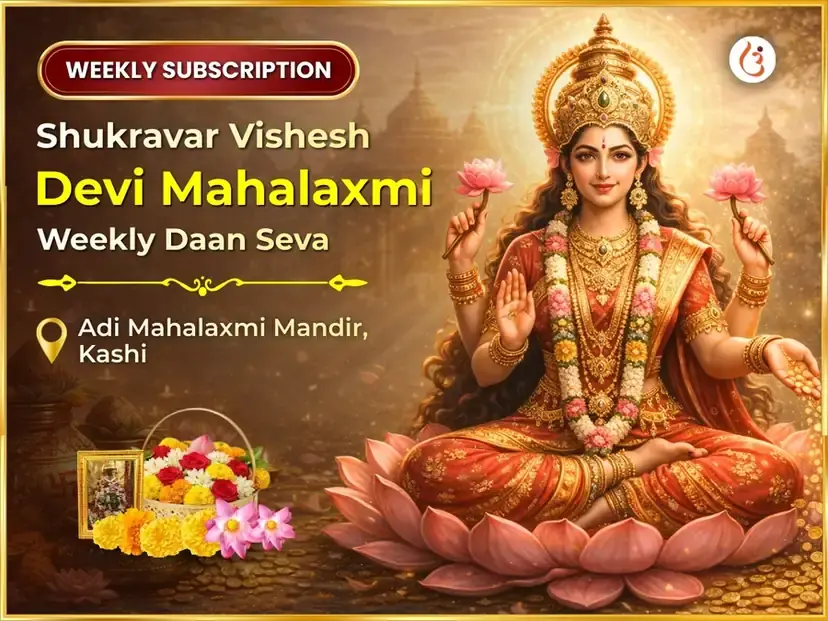
Maa Lakshmi, also known as Mahalakshmi, Kamala, and Rama, is the supreme Hindu goddess of wealth, fortune, and prosperity. She is the eternal consort and divine energy of Lord Vishnu. Iconography often depicts her seated gracefully on a pink lotus flower, representing purity and spiritual awakening. She has four hands, which symbolize the four goals of human life - Dharma (righteousness), Artha (wealth), Kama (desire), and Moksha (liberation).
In her traditional depictions, gold coins flow from one of her hands, signifying endless material and spiritual abundance. She is often flanked by white elephants who bathe her with water, symbolizing royal grace and fertility. Her story is central to the festival of Lakshmi Jayanti, which celebrates her birth.
Devotees worship her not just for monetary gain, but to cultivate good character, harmony, and peace in their homes. To seek her profound blessings for lasting wealth, many also recite the powerful Kanakdhara Stotra alongside her daily aarti. You can also observe the Mahalaxmi Vrat for her special grace.
Participate in Lakshmi Pujas on Utsav
You can seek Maa Lakshmi's divine blessings by participating in authentic temple rituals through Utsav. Verified pandits perform these sevas, helping you connect with her grace from the comfort of your home.
- Shukravar Visesh Mahalaxmi Weekly Daan Seva, Kolhapur: A weekly Friday seva at the historic Mahalakshmi (Ambabai) temple in Kolhapur.
- Shukravar Visesh Maa Mahalaxmi Weekly Kamal Daan Seva Anusthan, Kashi: A special weekly Friday lotus offering at the Mahalaxmi temple in Kashi.
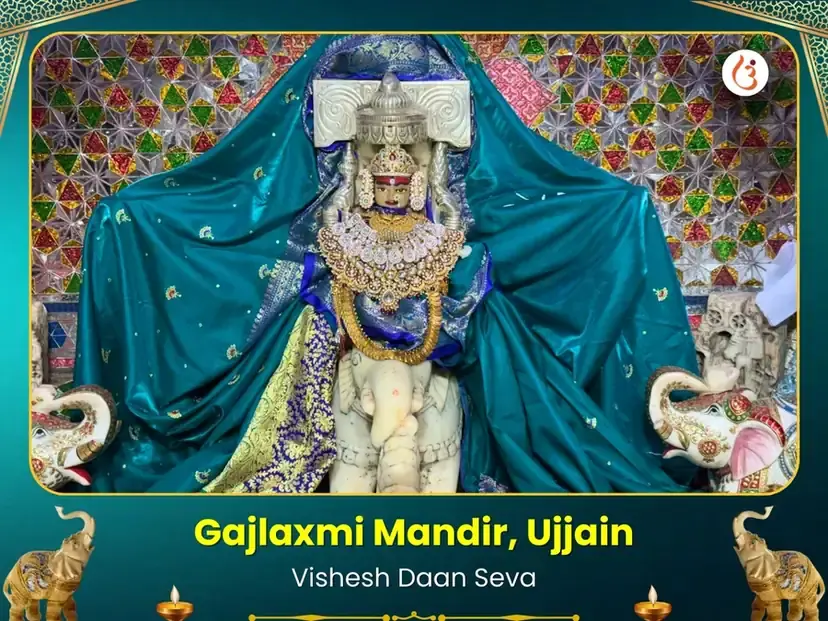
- Gajlaxmi Temple Ujjain Visesh Daan Seva (Bhet): Offer your devotion (Bhet) directly at the revered Gaj Lakshmi temple in Ujjain.
How to Participate:
- Choose the puja or seva you wish to perform from the links above.
- Fill out the Sankalp form with your name and gotra.
- Receive the puja video on WhatsApp and get authentic temple blessings.
Who Wrote the Lakshmi Aarti and Where Does It Come From?
The exact author of the "Om Jai Lakshmi Mata" aarti remains anonymous, as it was passed down through generations of oral devotional traditions in North India. However, the printed text of this aarti as we know it today was widely popularized by the Gita Press, Gorakhpur aarti collections. These publications helped standardize the lyrics, making it the most universally sung prayer in Hindu households during Diwali and Friday worship. The theological concepts found within the verses - such as her emergence from the ocean of milk and her identity as the supreme mother - are directly inspired by ancient scriptures.
Sources & References
- Shri Suktam (Rigveda Khilani): The ancient Vedic hymn dedicated to Goddess Lakshmi, establishing her earliest forms of worship.
- Vishnu Purana: The key scripture detailing the Samudra Manthan and the divine birth of Lakshmi.
- Srimad Bhagavata Purana, Canto 8: Provides elaborate descriptions of her appearance and her choice of Lord Vishnu as her eternal consort.
- Gita Press, Gorakhpur aarti collections: The source of the standardized printed text of this beautiful aarti.