
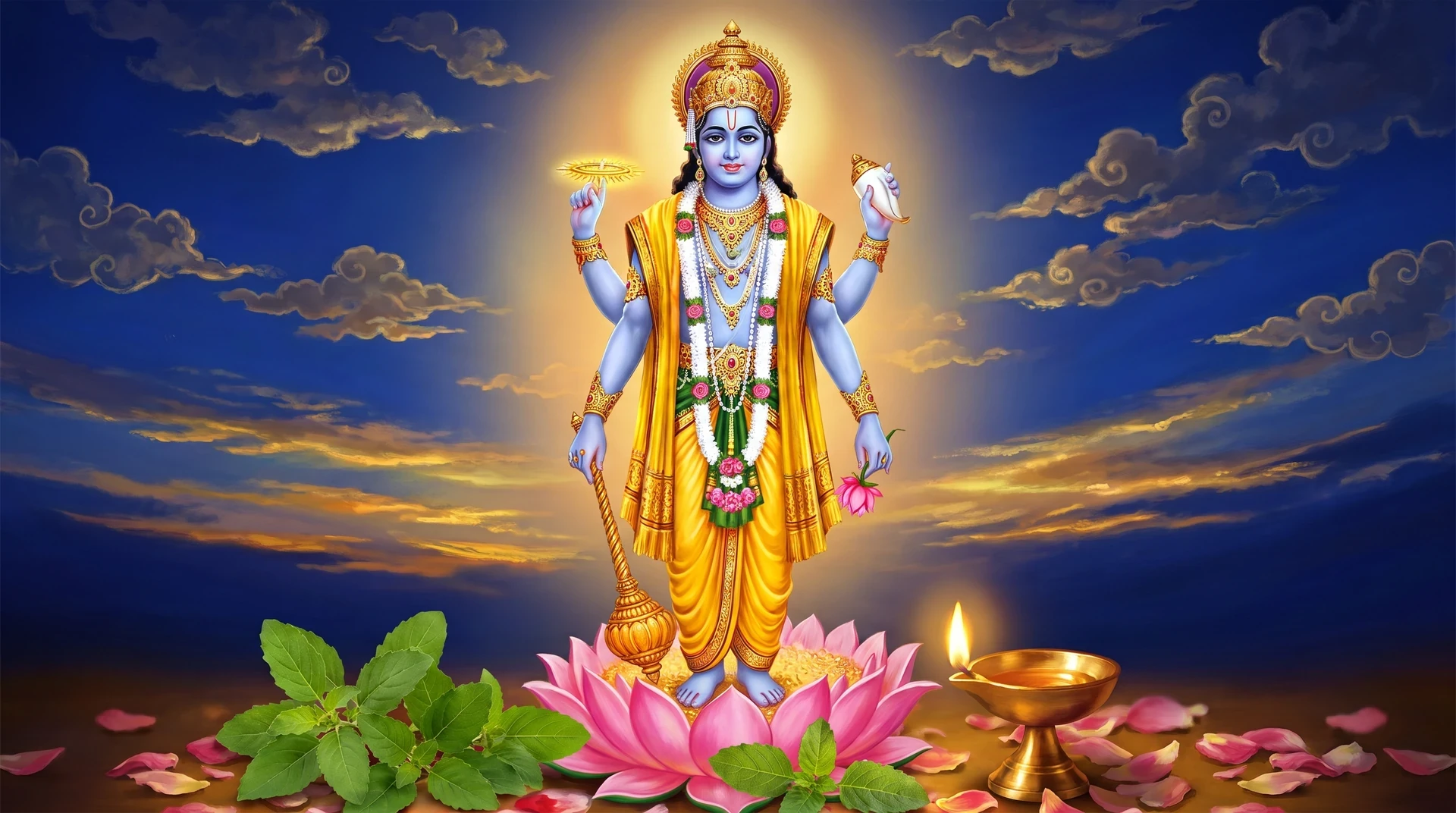
- Tithi begins
- 18 Mar, 4:21 AM
- Tithi ends
- 19 Mar, 1:51 AM
About Amlaki Ekadashi
The bright-half Ekadashi of Phalguna, when the amla tree is worshipped as Lord Vishnu's home. In Kashi it is Rangbhari Ekadashi, the start of Holi.
Amlaki (Amalaki) Ekadashi is the Ekadashi of the bright half (Shukla paksha) of Phalguna, a few days before Holi. Tradition holds that Vishnu dwells in the amla tree, so devotees worship the tree. In Varanasi it is Rangbhari Ekadashi, when Holi begins in Kashi.
The story behind it
Sage Vasishtha told King Mandhata of a hunter in Vaidisha who, hungry and tired, sat all night at a temple where the king and his people worshipped the amla tree and sang Vishnu's praise. He ate nothing and stayed awake, keeping the fast and vigil without meaning to. Tradition holds he was born again as a good and powerful king.
How it is observed
- A fast from sunrise, without grains or rice.
- Puja of the amla tree, winding raw cotton thread around it.
- Vishnu puja with Tulsi and amla, and the Vrat Katha.
- The fast is broken on Dwadashi within the parana time.
What devotees offer
- Amla fruits to Vishnu, later shared as prasad.
- Tulsi and yellow flowers, and a ghee diya.
- Daan of amla, food and clothes.
Panchang for the day
Thursday, 18 March 2027 · Times for Delhi
What is Ekadashi
The 11th day of each half of the lunar month, sacred to Lord Vishnu and kept with a fast, prayer and Daan.
Ekadashi is the 11th tithi (lunar day) of the bright and dark halves (Shukla and Krishna paksha), so it comes twice a month. That makes 24 a year, or 26 with an Adhik Maas. It is sacred to Lord Vishnu.
Why it matters
Tradition counts Ekadashi among the holiest fasts, praised in the Puranas. Devotees believe fasting, prayer and simple living calm the mind and bring one closer to Vishnu. For many families, it is a pause twice a month to remember God.
Ekadashi through the year
Each Ekadashi has its own name. Nirjala Ekadashi, in Jyeshtha, is kept without even water. Vishnu goes into yoga nidra on Devshayani Ekadashi, starting Chaturmas, and wakes on Devutthana (Prabodhini) Ekadashi, with Tulsi Vivah. Mokshada Ekadashi is also Gita Jayanti. On Vaikuntha Ekadashi, the Vaikuntha Dwaram opens in Vishnu temples.
What to do
- Eat one light, sattvic meal on Dashami, the day before.
- Choose a fast you can keep calmly: nirjala, or fruit and milk.
- Remember Vishnu with japa, bhajans or the Bhagavad Gita; many keep jagran.
- On Dwadashi, give food or Daan to someone in need before eating.
What to avoid
- Tradition avoids grains; many skip dal, onion, garlic, meat, eggs and alcohol.
- Many avoid daytime sleep, quarrels, harsh words and gossip.
- The fast is not broken before Dwadashi sunrise or after parana time.
- Elders, the unwell and pregnant women keep a lighter fast, or none.
Recommended Pujas
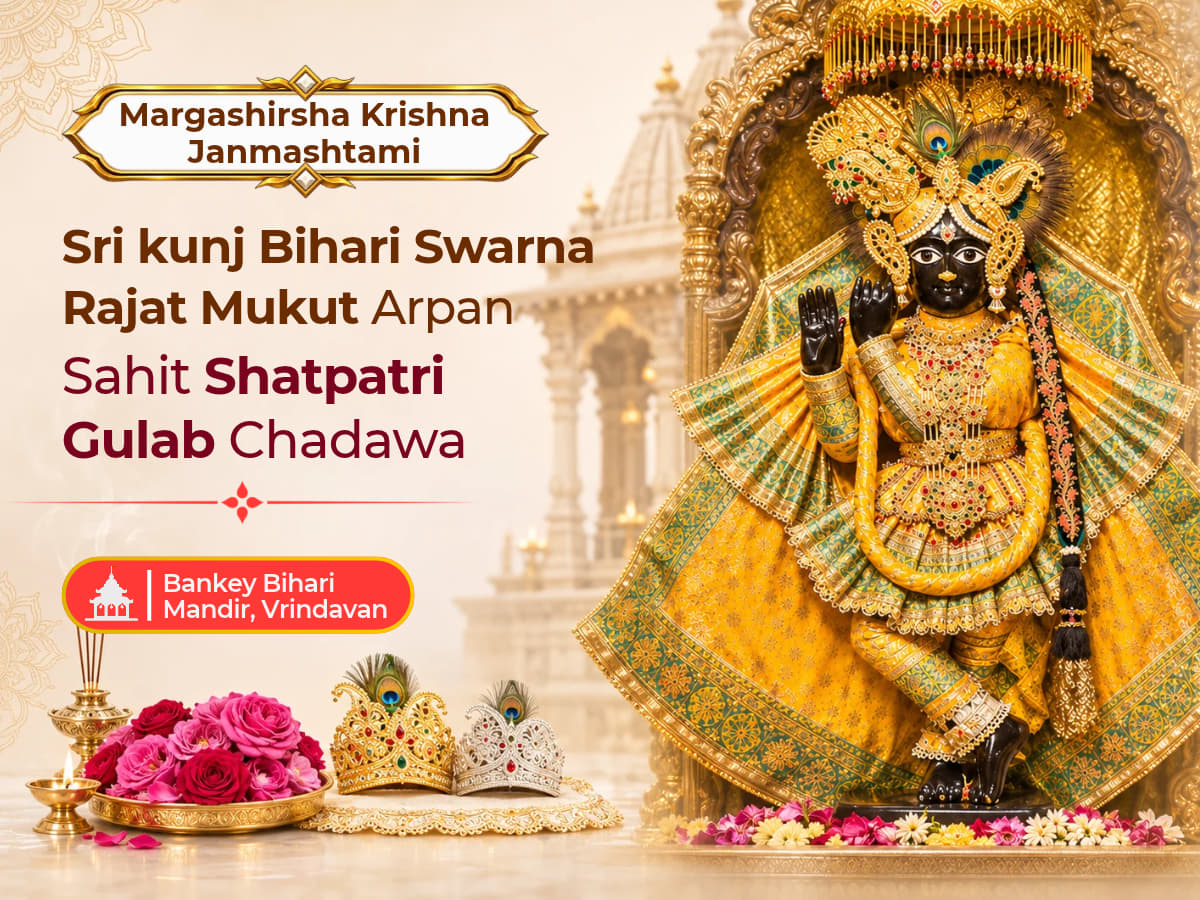
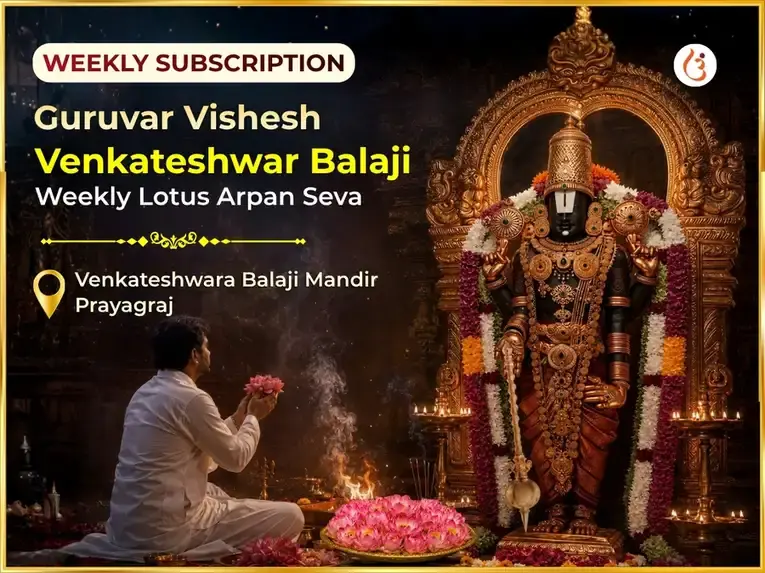
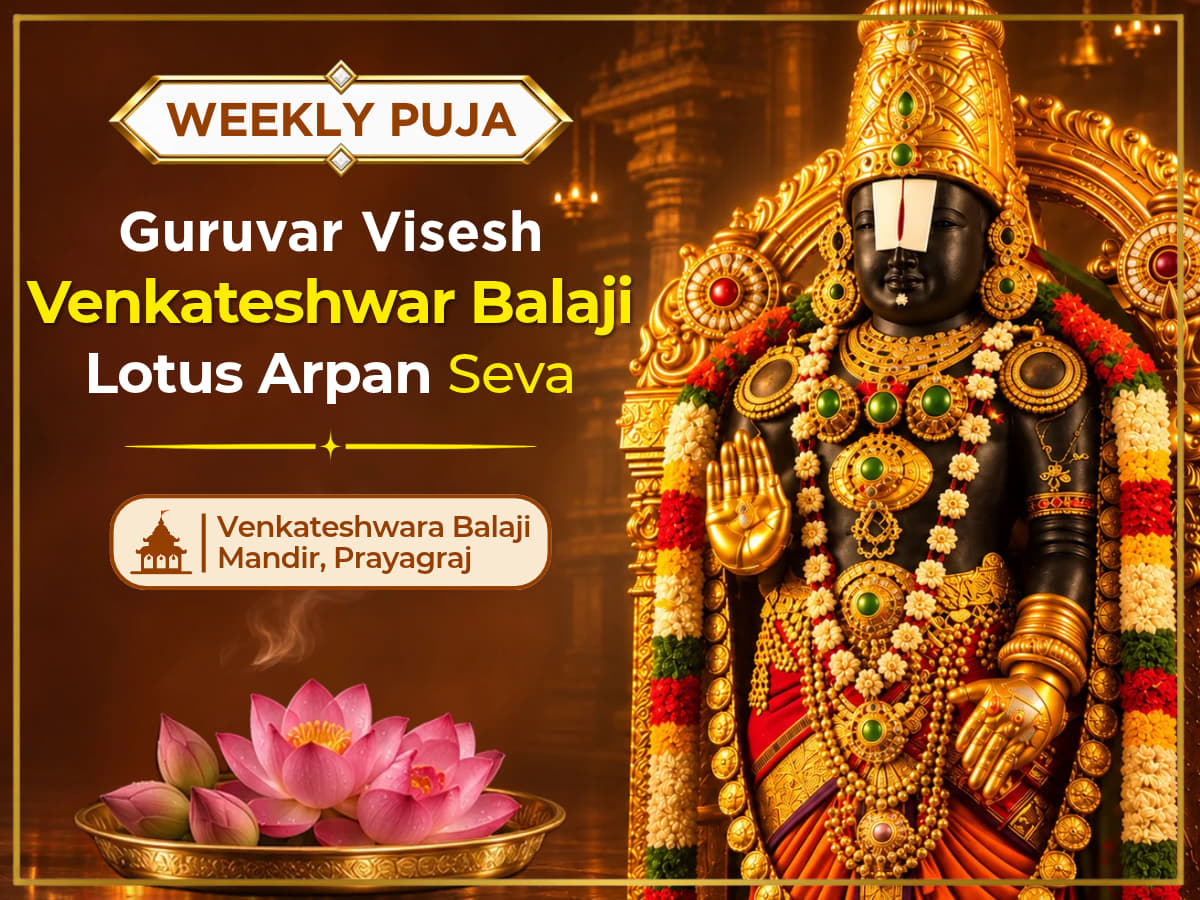
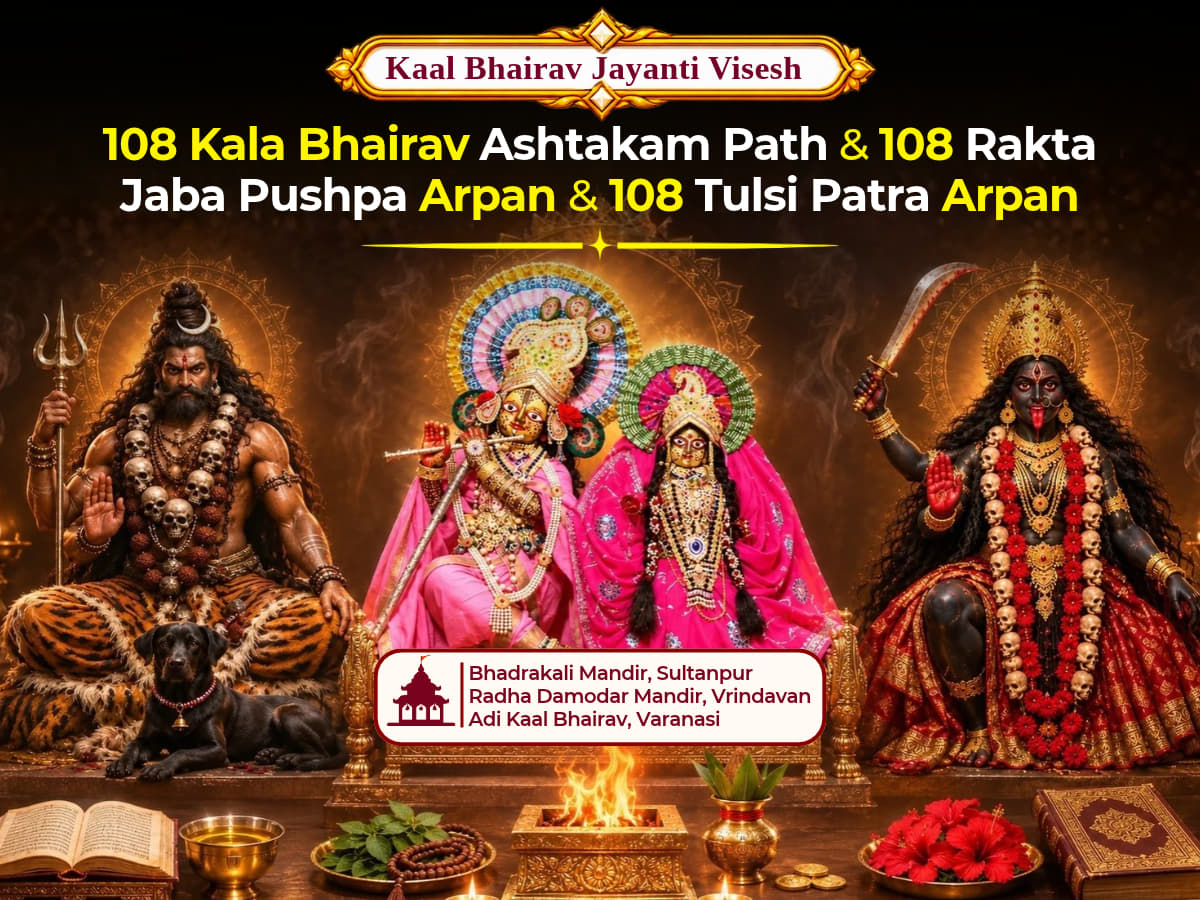
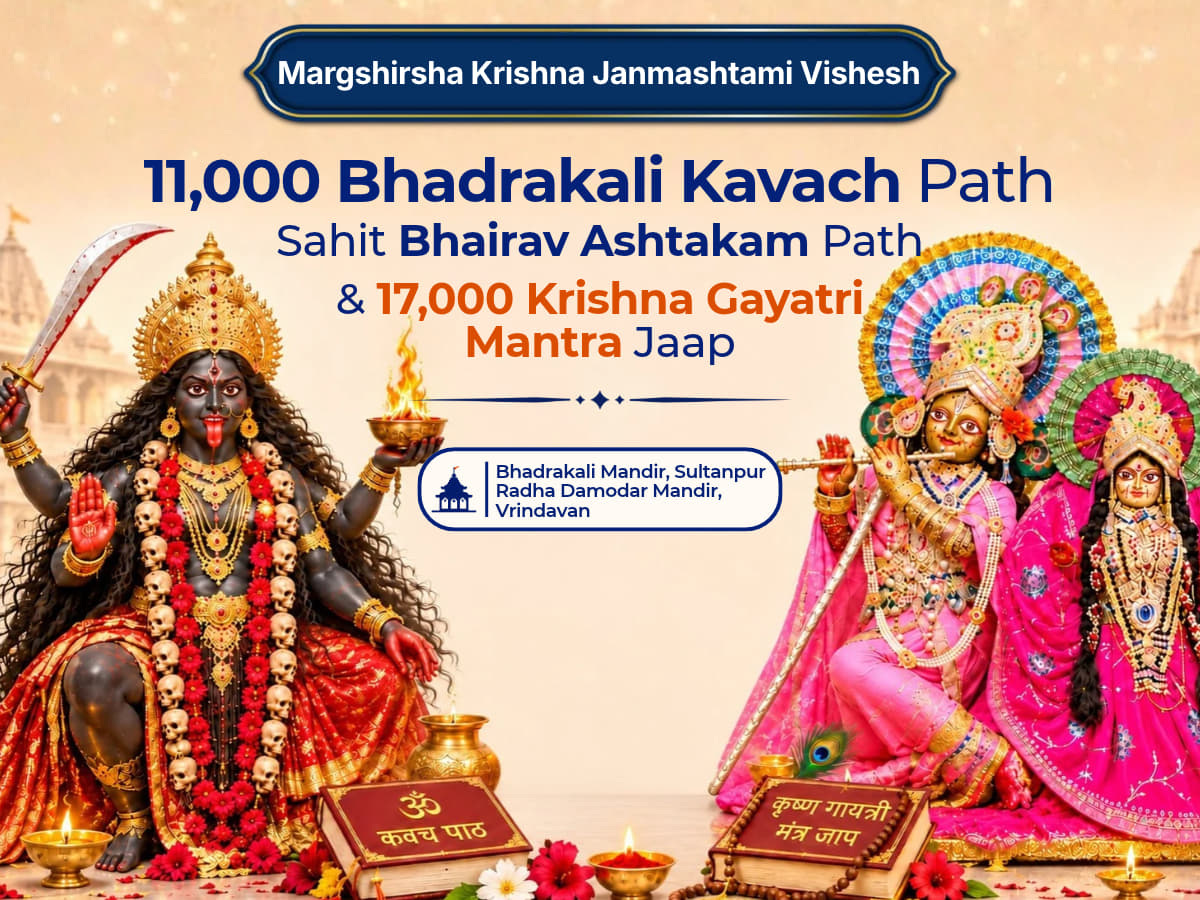
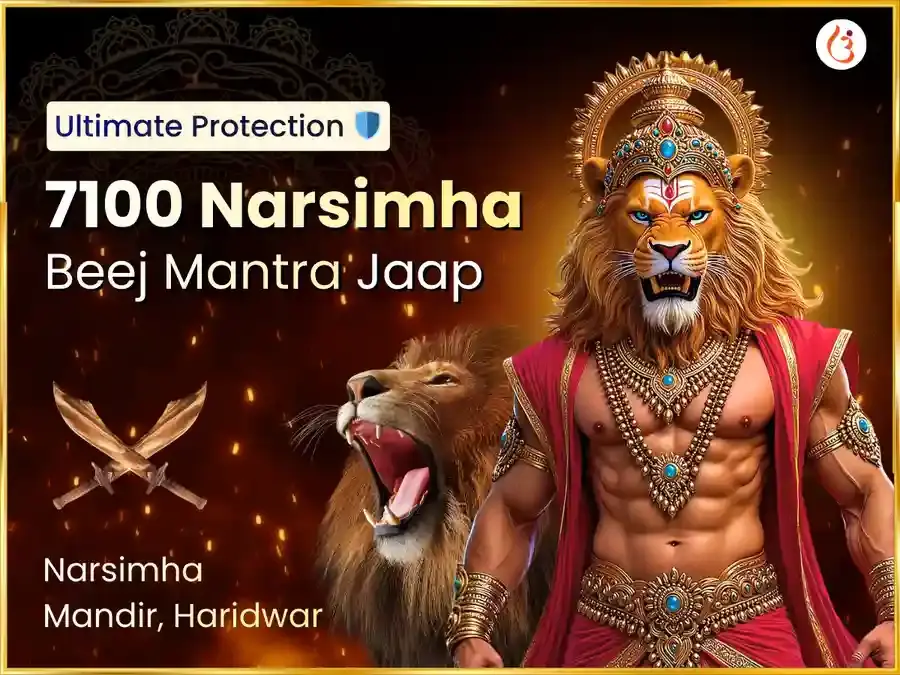
Recommended Bhet
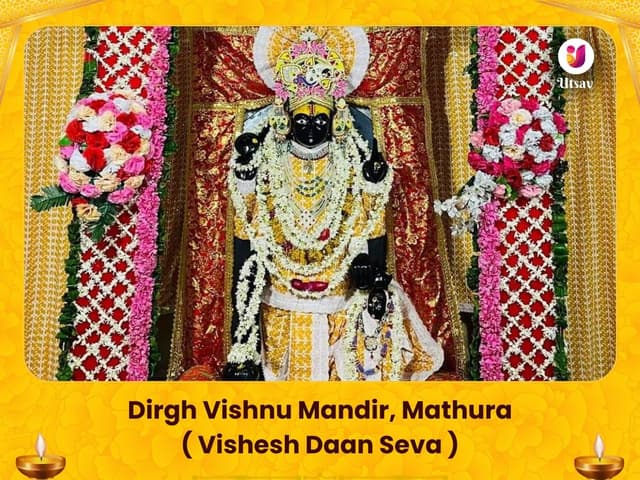
Deergh Vishnu Mandir Visesh Daan Seva
Blessings for health, wealth and spiritual enlightenment.

Dirgh Vishnu Mandir, Mathura
Thu - Dec 03, 2026 - Guruvar Visesh