
- Tithi begins
- 16 Feb, 8:19 PM
- Tithi ends
- 17 Feb, 5:31 PM
- Puja time
- 12:28 PM
About Jaya Ekadashi
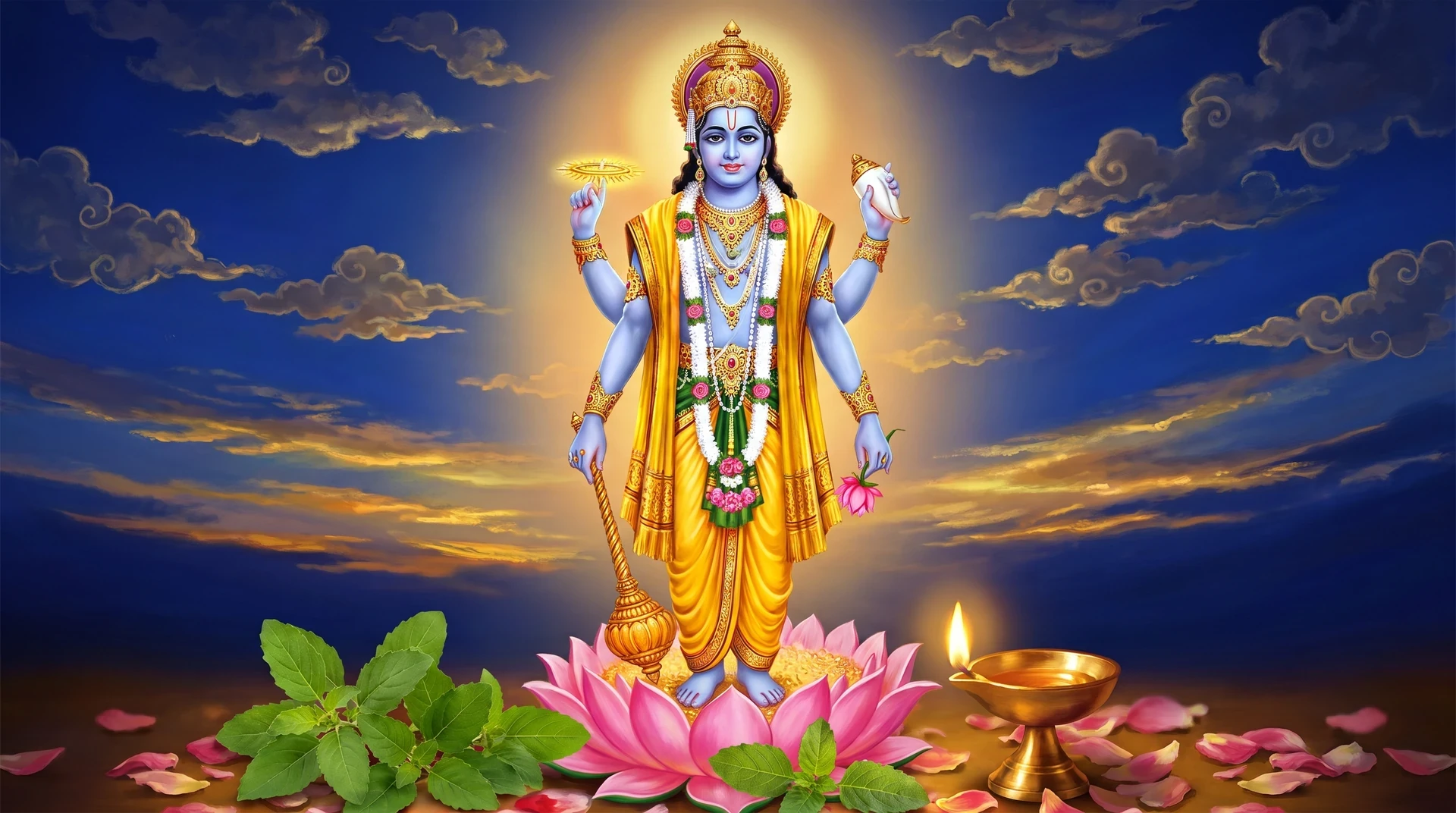
The bright-half Ekadashi of Magh, kept for Lord Vishnu. Its story tells of two celestial beings freed from a curse. In the South it is also Bhishma Ekadashi.
Jaya Ekadashi is the Ekadashi of the bright half (Shukla paksha) of Magh. Jaya means victory: tradition sees it as victory over one's faults and hard times. In Andhra Pradesh, Karnataka and Tamil Nadu it is also Bhishma Ekadashi, when many chant the Vishnu Sahasranama.
The story behind it
Krishna tells Yudhishthira of Malyavan, a gandharva, and Pushpavati, an apsara, who fell in love and sang out of tune in Indra's court. Indra cursed them to become pishachas in the Himalayas. On Jaya Ekadashi they ate nothing and sat awake all night under a peepal tree. Unknowingly they had kept the fast, and by Vishnu's grace the curse ended.
How it is observed
- One simple meal on Dashami, then a fast without grains.
- Vishnu puja with Tulsi and Om Namo Bhagavate Vasudevaya.
- Chanting the Vishnu Sahasranama, and bhajans into the night.
- The fast is broken on Dwadashi within the parana time.
What devotees offer
- Tulsi leaves, picked the day before, and yellow flowers.
- Fruits, panchamrit and til sweets as Bhog.
- Daan of food, warm clothes and til.
Panchang for the day
Wednesday, 17 February 2027 · Times for Delhi
What is Ekadashi
The 11th day of each half of the lunar month, sacred to Lord Vishnu and kept with a fast, prayer and Daan.
Ekadashi is the 11th tithi (lunar day) of the bright and dark halves (Shukla and Krishna paksha), so it comes twice a month. That makes 24 a year, or 26 with an Adhik Maas. It is sacred to Lord Vishnu.
Why it matters
Tradition counts Ekadashi among the holiest fasts, praised in the Puranas. Devotees believe fasting, prayer and simple living calm the mind and bring one closer to Vishnu. For many families, it is a pause twice a month to remember God.
Ekadashi through the year
Each Ekadashi has its own name. Nirjala Ekadashi, in Jyeshtha, is kept without even water. Vishnu goes into yoga nidra on Devshayani Ekadashi, starting Chaturmas, and wakes on Devutthana (Prabodhini) Ekadashi, with Tulsi Vivah. Mokshada Ekadashi is also Gita Jayanti. On Vaikuntha Ekadashi, the Vaikuntha Dwaram opens in Vishnu temples.
What to do
- Eat one light, sattvic meal on Dashami, the day before.
- Choose a fast you can keep calmly: nirjala, or fruit and milk.
- Remember Vishnu with japa, bhajans or the Bhagavad Gita; many keep jagran.
- On Dwadashi, give food or Daan to someone in need before eating.
What to avoid
- Tradition avoids grains; many skip dal, onion, garlic, meat, eggs and alcohol.
- Many avoid daytime sleep, quarrels, harsh words and gossip.
- The fast is not broken before Dwadashi sunrise or after parana time.
- Elders, the unwell and pregnant women keep a lighter fast, or none.
Recommended Pujas
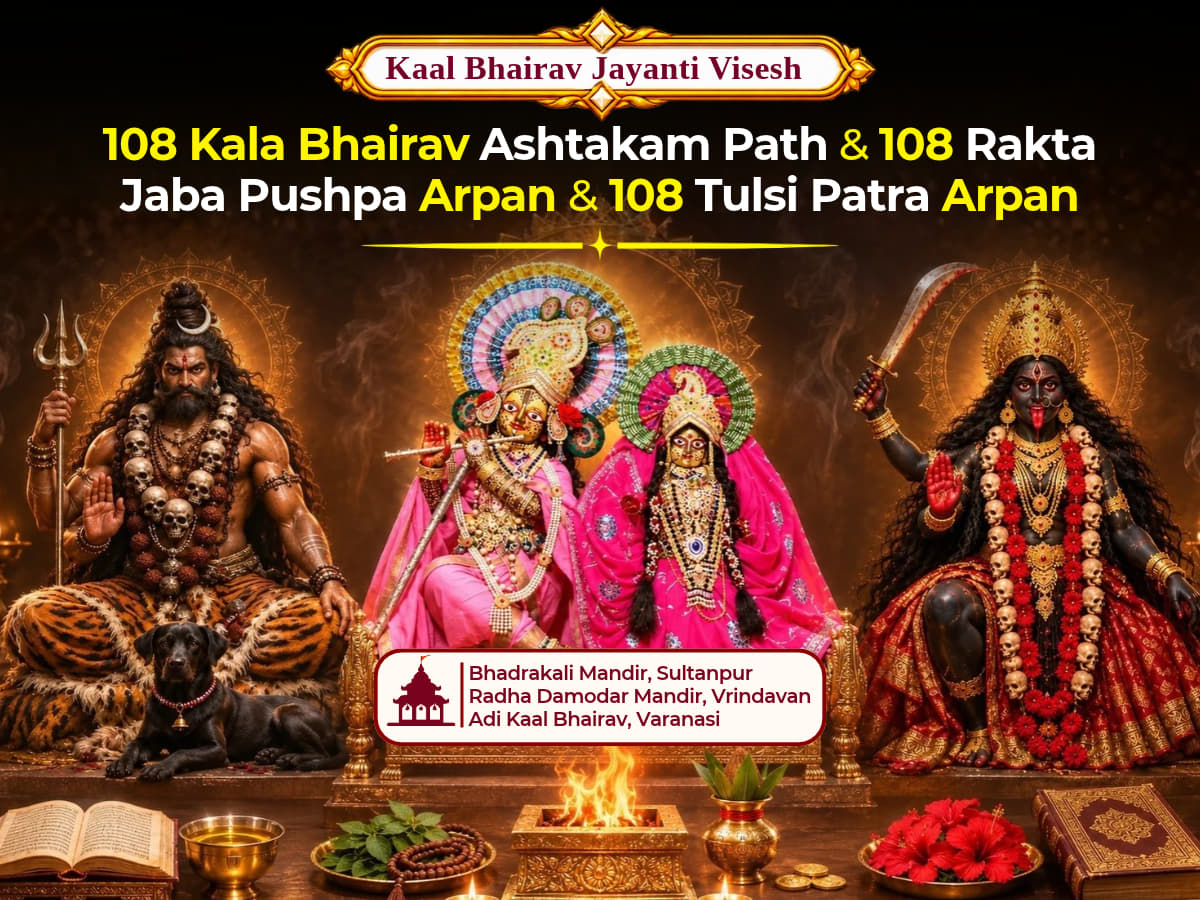
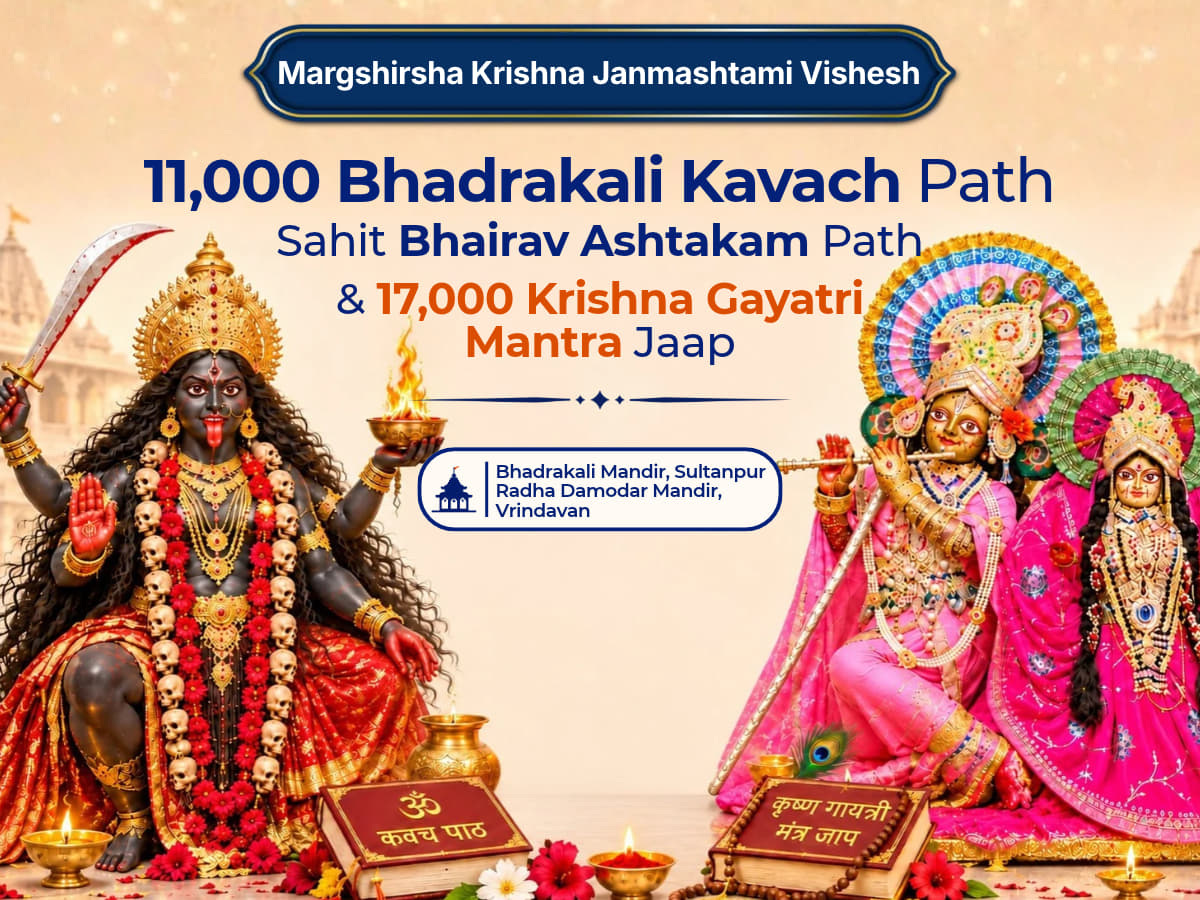
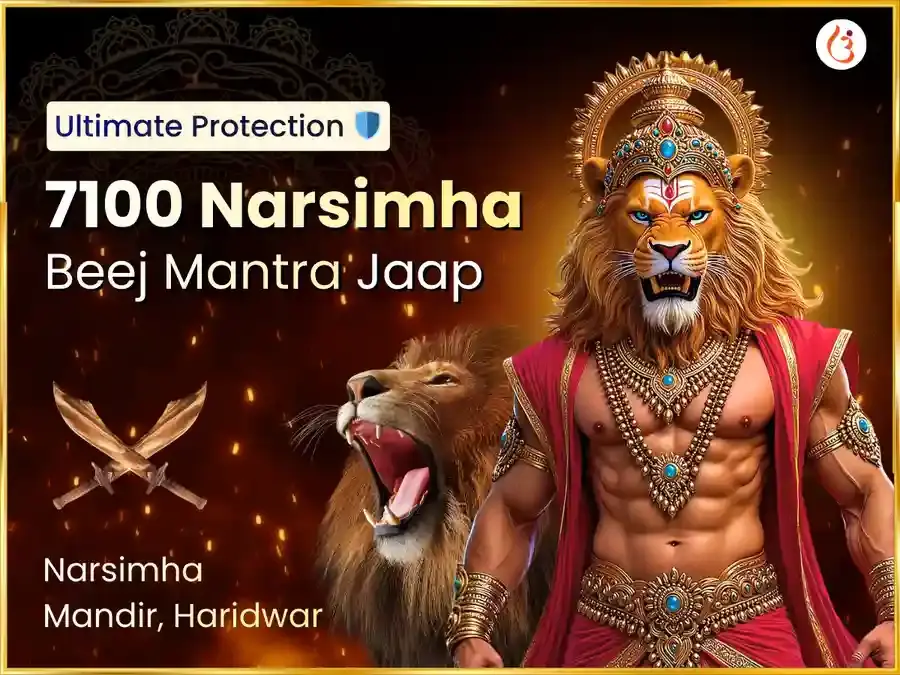
Recommended Bhet
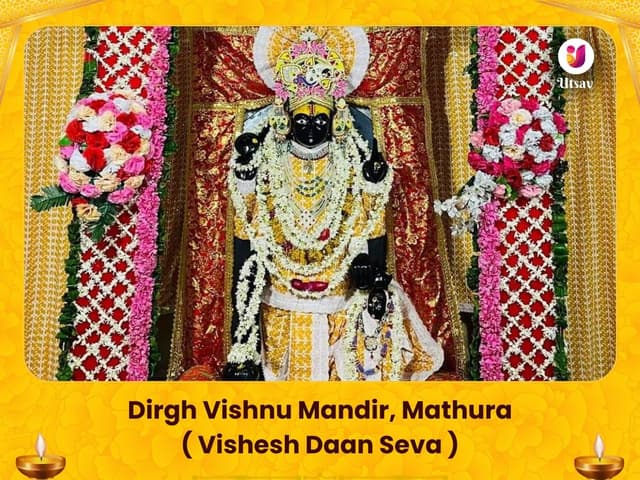
Deergh Vishnu Mandir Visesh Daan Seva
Blessings for health, wealth and spiritual enlightenment.

Dirgh Vishnu Mandir, Mathura
Thu - Dec 03, 2026 - Guruvar Visesh