

- Tithi begins
- 06 Jan, 11:13 PM
- Tithi ends
- 08 Jan, 1:53 AM
About Darsha Amavasya
The monthly new moon, called Darsha in the Vedas. Devotees keep a fast, offer tarpan to their ancestors and pray for peace and a fresh start.
Darsha Amavasya is the monthly new moon, the last tithi of the dark half (Krishna paksha). Darsha is the old Vedic name for the new moon. Many families keep it as a quiet day of fasting, prayers for the ancestors and setting the mind right.
The story behind it
Vedic homes made two fire offerings monthly: the Darsha at the new moon and the Paurnamasa at the full moon. Darsha comes from a root meaning to see; on this day, it is said, the Sun and moon meet face to face. Tradition holds the ancestors look to their families on Amavasya, and that water and sesame offered reach them.
How it is observed
- An early bath, in a holy river or with Ganga jal.
- Tarpan with water, black sesame and kusha, naming the ancestors.
- A fast, or one simple meal through the day.
- An evening sesame oil diya under a peepal tree.
What devotees offer
- Water, black sesame and kusha in tarpan.
- Food for cows, crows and dogs, in the ancestors' name.
- Daan of grain, food or clothes.
Panchang for the day
Thursday, 7 January 2027 · Times for Delhi
What is Amavasya
The new moon day at the end of the dark half, set aside for remembering ancestors, quiet prayer and Daan.
Amavasya is the monthly new moon day, the last tithi of the dark half (Krishna paksha). It is closely linked with the pitru, the family's ancestors. Many also pray to Shiva, Shani Dev and, in Bengal, Ma Kali.
Why it matters
Tradition sees Amavasya as a quiet, inward day, better for prayer and remembrance than for new beginnings. It is said the ancestors look to their families on this day, so tarpan and Daan in their name are held especially dear.
Amavasya through the year
Diwali is the best-known Amavasya, with Lakshmi puja, and Kali Puja in Bengal. Sarva Pitru (Mahalaya) Amavasya ends Pitru Paksha, remembering all ancestors. On Vat Savitri Amavasya, married women in North India pray at the banyan tree for their husbands' long life. Mauni Amavasya, in Magh, is kept in silence.
What to do
- Remember your ancestors by name with love, even without a full tarpan.
- Offer water to a peepal tree in the morning.
- Give Daan of food, black til or blankets to those in need.
- Spend quiet time in prayer, japa or reading the Bhagavad Gita.
What to avoid
- Many put off new beginnings, such as a wedding or griha pravesh.
- Many avoid meat, eggs, alcohol, onion, garlic and cutting hair or nails.
- Tradition holds that tarpan is done in the daytime, not after sunset.
- Elders, the unwell and pregnant women need not fast.
Recommended Pujas





Recommended Bhet
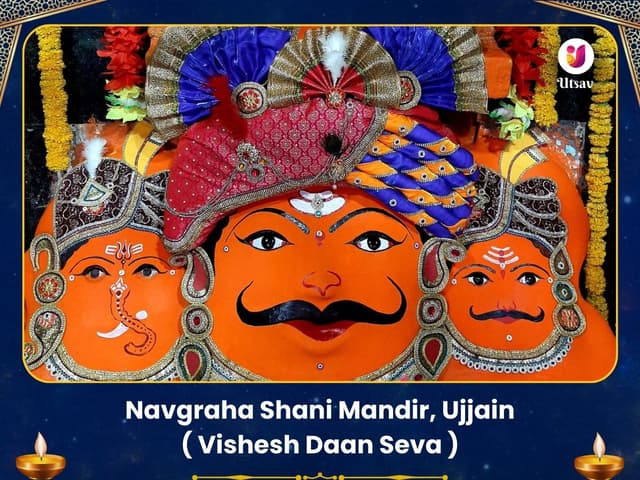
Navgraha Shani Mandir Ujjain Visesh Daan Seva
Relief in Sade Sati and removal of obstacles in Career and Growth.

Navagraha Shani Mandir, Ujjain
Sat - Nov 28, 2026 - Shanivar Visesh