

- Tithi begins
- 05 Feb, 7:05 PM
- Tithi ends
- 06 Feb, 9:25 PM
- Puja time
- 12:30 PM
About Mauni Amavasya
The new moon of Magh, kept in silence with a holy dip. At Prayagraj it is the biggest bathing day of the Magh Mela and of the Kumbh.
Mauni Amavasya is the Amavasya tithi of Magh, the new moon ending the dark half (Krishna paksha). Mauni comes from maun, silence, and many stay silent for part or all of the day. It is among the holiest bathing days, above all at the Sangam.
The story behind it
The holy dip goes back to the churning of the ocean. As the kumbh of amrit was carried away, tradition holds that drops fell at Prayagraj, Haridwar, Ujjain and Nashik, where the Kumbh Mela is held. On silence, the sages taught that speech scatters the mind and silence gathers it, so devotees speak less and listen more.
How it is observed
- A holy dip before sunrise, or Ganga jal at home.
- Keeping maun through the bath and prayer, or all day.
- Tarpan for the ancestors with water and black til.
- Daan of til, blankets and food, and feeding cows.
What devotees offer
- Black til and water in tarpan.
- Til laddoos, jaggery and khichdi as Bhog and Daan.
- Annadaan, and blankets for the winter cold.
Panchang for the day
Saturday, 6 February 2027 · Times for Delhi
What is Amavasya
The new moon day at the end of the dark half, set aside for remembering ancestors, quiet prayer and Daan.
Amavasya is the monthly new moon day, the last tithi of the dark half (Krishna paksha). It is closely linked with the pitru, the family's ancestors. Many also pray to Shiva, Shani Dev and, in Bengal, Ma Kali.
Why it matters
Tradition sees Amavasya as a quiet, inward day, better for prayer and remembrance than for new beginnings. It is said the ancestors look to their families on this day, so tarpan and Daan in their name are held especially dear.
Amavasya through the year
Diwali is the best-known Amavasya, with Lakshmi puja, and Kali Puja in Bengal. Sarva Pitru (Mahalaya) Amavasya ends Pitru Paksha, remembering all ancestors. On Vat Savitri Amavasya, married women in North India pray at the banyan tree for their husbands' long life. Mauni Amavasya, in Magh, is kept in silence.
What to do
- Remember your ancestors by name with love, even without a full tarpan.
- Offer water to a peepal tree in the morning.
- Give Daan of food, black til or blankets to those in need.
- Spend quiet time in prayer, japa or reading the Bhagavad Gita.
What to avoid
- Many put off new beginnings, such as a wedding or griha pravesh.
- Many avoid meat, eggs, alcohol, onion, garlic and cutting hair or nails.
- Tradition holds that tarpan is done in the daytime, not after sunset.
- Elders, the unwell and pregnant women need not fast.
Recommended Pujas





Recommended Bhet
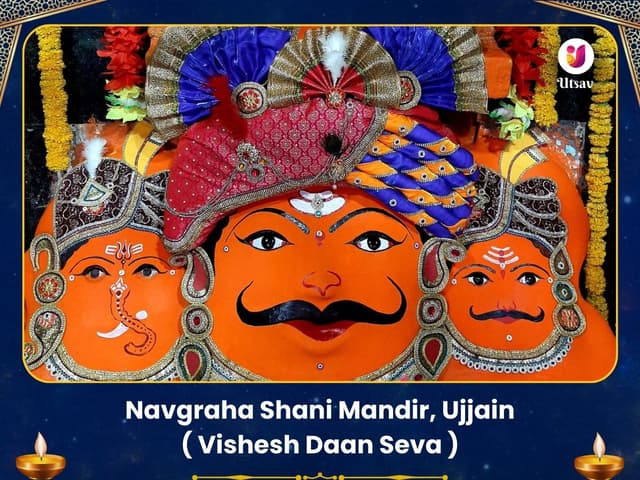
Navgraha Shani Mandir Ujjain Visesh Daan Seva
Relief in Sade Sati and removal of obstacles in Career and Growth.

Navagraha Shani Mandir, Ujjain
Sat - Nov 28, 2026 - Shanivar Visesh